


1521 results

This publication sets out basic principles and approaches to truth commissions and is intended to assist policymakers in advising on the development of truth-seeking mechanisms. It summarizes lessons learned from the experiences of over 30 truth commissions in the past two to three d...

This publication provides an operational framework for vetting and institutional reform. It is intended address the challenges of institutional and personnel reform in post-conflict States through the creation of vetting processes that exclude persons who lack integrity from public in...

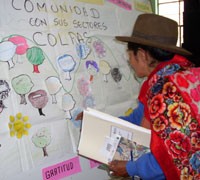
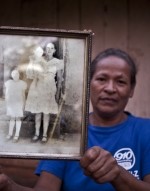
ICTJ has released One morning they came to our community: Stories of political violence in communities of Peru, a compilation of victims’ stories about Peru’s internal armed conflict from 1980 to 2000. The stories constitute an important form of recognizing the truth, as well as a demand for justice and reparations.

The civil war in El Salvador officially ended 20 years ago, yet justice and accountability for past violations remain acutely absent. To launch a Spanish language podcast series focusing on Latin America ICTJ spoke with Carlos Dada, editor of the digital newspaper El Faro, about the critical role the media has played in uncovering the truth about past atrocities in El Salvador.

The appearance of Hosni Mubarak in the opening of his trial this week reassured millions of Egyptians that their revolutionary struggle was not in vain. But the truth about Mubarak’s ability to participate in his trial is still unclear. With the public doubting the court’s seriousness, Mubarak’s appearance could have been a political decision aimed at boosting confidence. If this is the case, the judiciary risks appearing politicized in the eyes of Egyptians.

The newly released United Nations report on strengthening the rule of law and transitional justice in conflict and post-conflict settings outlines progress made since issuing the landmark 2004 report and reaffirms transitional justice as a crucial component of the UN’s broader work on the rule of law.

Political choices made early on in the state-building process have contributed to the current governance and rule of law deficit in Afghanistan. European actions have been marked by a lack of coordination between political and development assistance as well as diverse – and sometimes ...

Efforts underway to address the 2008 Kenyan post-election crisis and the conditions that caused it have provided the country with a unique opportunity to address its long history of human rights violations.

A wide array of international donors are working with Timor-Leste to help support reform in the security sector. While many of these programmes have had a positive impact, donor-driven security reform agendas have been under-coordinated. Fortunately, this is beginning to change, as ...

In societies split dysfunctionally and violently along evident identity fault lines, the challenge of guaranteeing security requires not piecemeal reform of police and/or military organizations, but a holistic, "whole of governance" approach. How different identities are recognized an...