


1521 results

Bosnians have a range of expectations of the ICTY—or as it is known in the region, “the Hague Tribunal” or simply “The Hague”—comparing their hopes to the goals enunciated by the Security Council when it created the Tribunal and by the ICTY itself.

Drawing from data and testimonies of Syrians both inside the country and in the diaspora collected by civil society organizations, this report looks at the justice needs of Syrian victims of human rights violations in the context of ongoing debates on refugee returns. It critically ex...

Illustration depicting an elderly woman carrying an armchair on her back

This briefing paper reviews the Kenyan government’s response to sexual and gender-based violence committed against women, men, and children during the 2007/2008 post-election crisis. It draws on interviews with over 40 survivors about their experience and analyzes the laws and transit...

This report analyzes the response of Congolese judicial authorities to international crimes committed in the territory of the Democratic Republic of the Congo from 2009 to 2014, with a particular focus on the war-torn East (North Kivu, South Kivu, and Ituri). It finds that the number ...

This briefing paper summarizes the findings of an ICTJ report (by the same name) on the judicial response to international crimes in the Democratic Republic of the Congo. It makes substantive recommendations to justice stakeholders in the DRC on how to advance prosecutions of internat...

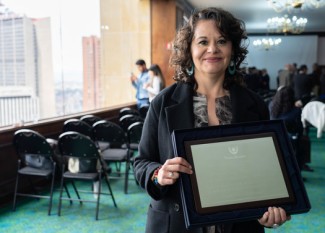
The purpose of Resolution 1325 is to highlight the particular way in which women and girls suffer in situations of conflict, as well as the critical role they play in peacebuilding. To commemorate the 20-year anniversary of the resolution, ICTJ would like celebrate the life and work of one its own women peacebuilders: María Camila Moreno Múnera, head of ICTJ’s Colombia office. She exemplifies what a woman leader can achieve in advancing truth, justice, reparation, and peace.

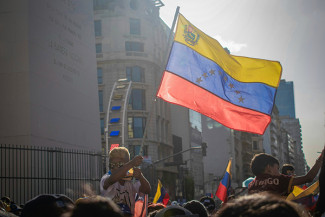
On February 19, 2026, Venezuela’s National Assembly passed the Amnesty Law for Democratic Coexistence, which seeks to extinguish criminal liability for certain acts committed in the country over the past 26 years. While the law has sparked debate, it undeniably represents a significant development in the country's political landscape.

This update covers the first, complainant phase of the Anfal trial, which lasted for twenty-three sessions from August 21 to November 27, 2006. Seventy-six complainants presented testimony regarding their experiences during the Anfal campaign. Information is taken directly from obser...

This update series summarizes developments in the Anfal trial of Saddam Hussein, his cousin Ali Hassan al-Majid, and five other co-defendants before the Iraqi High Tribunal. It covers the trial's defense and closing phases. Five of the six defendants were sentenced to either multiple ...

This memorandum is a legal analysis of the applicability of the UN Convention on the Prevention and Punishment of the Crime of Genocide to events which occurred in Turkey-Armenia during the early twentieth century. It was drafted by independent legal counsel based on a request made to...