
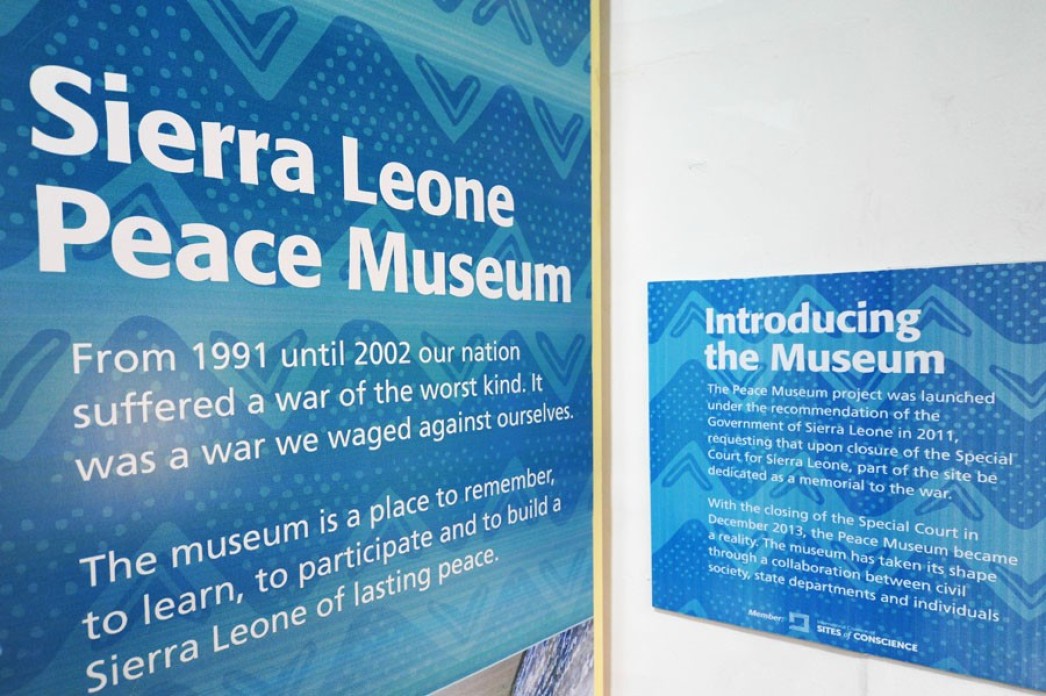
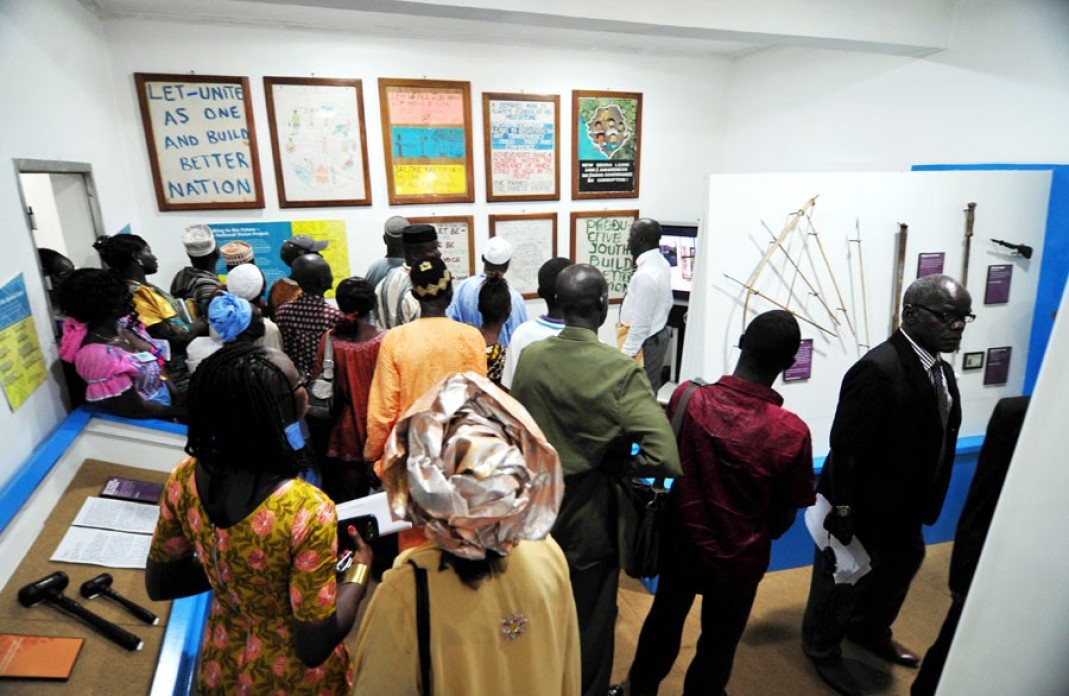
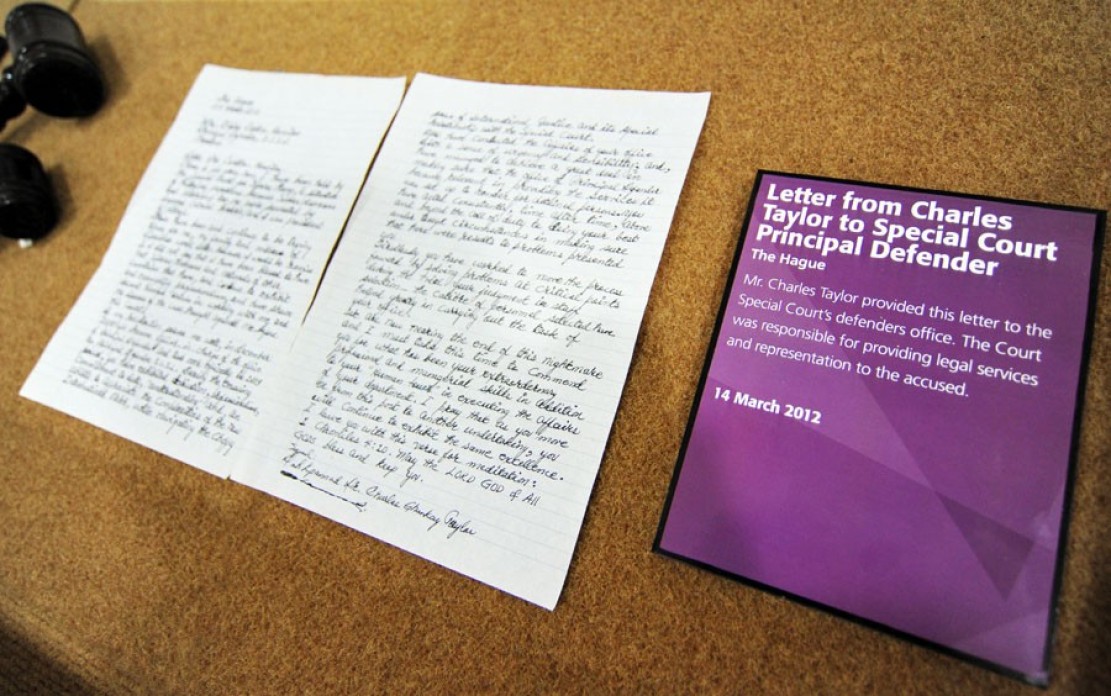
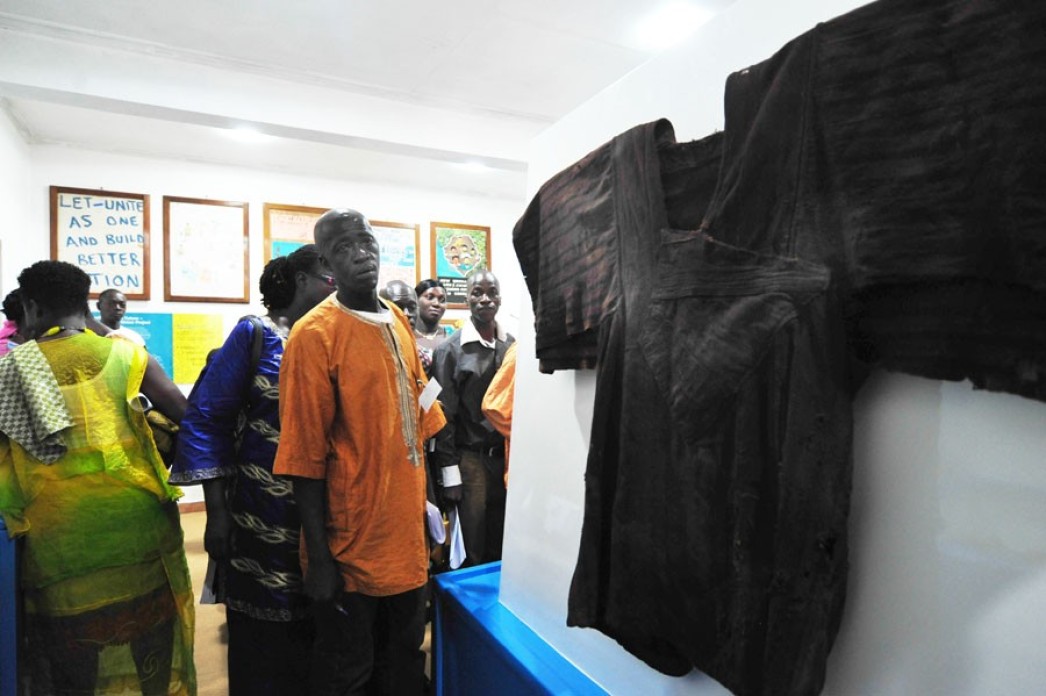
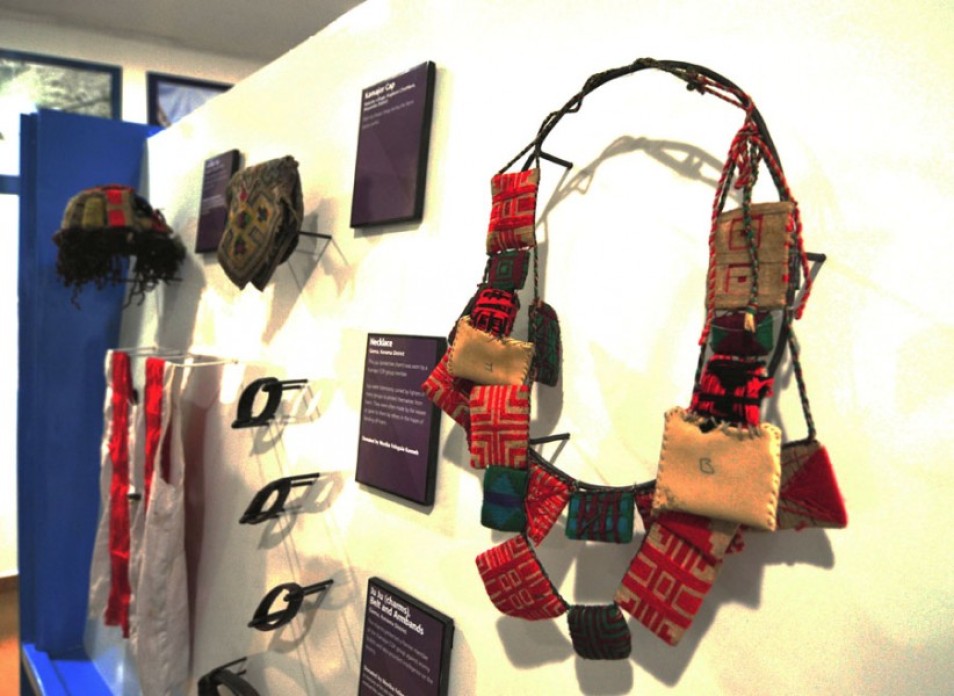
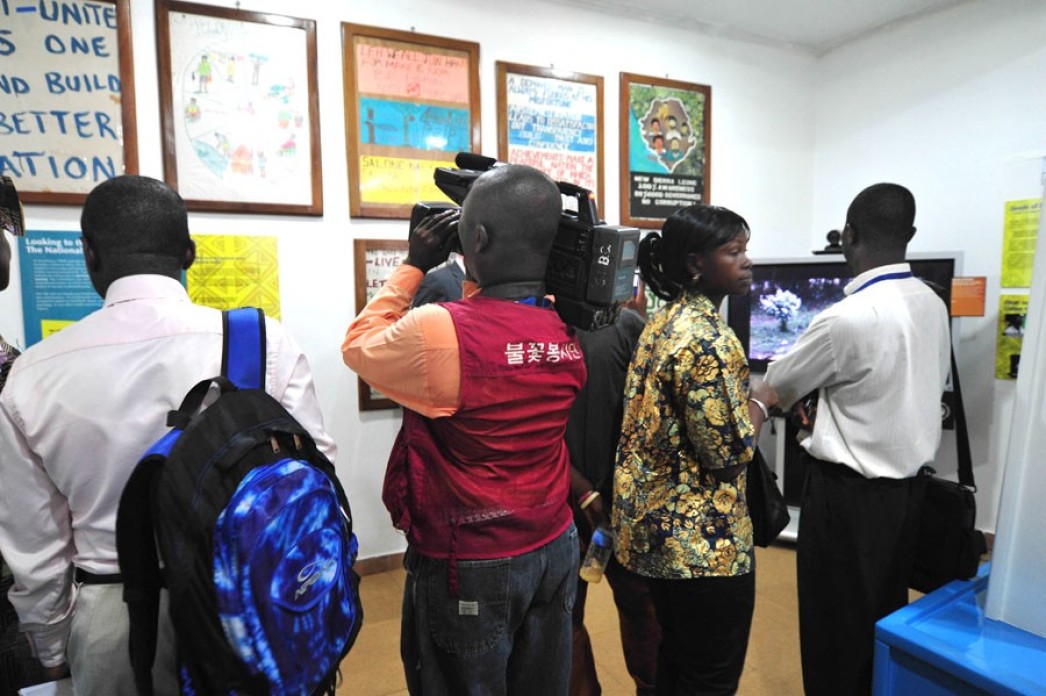

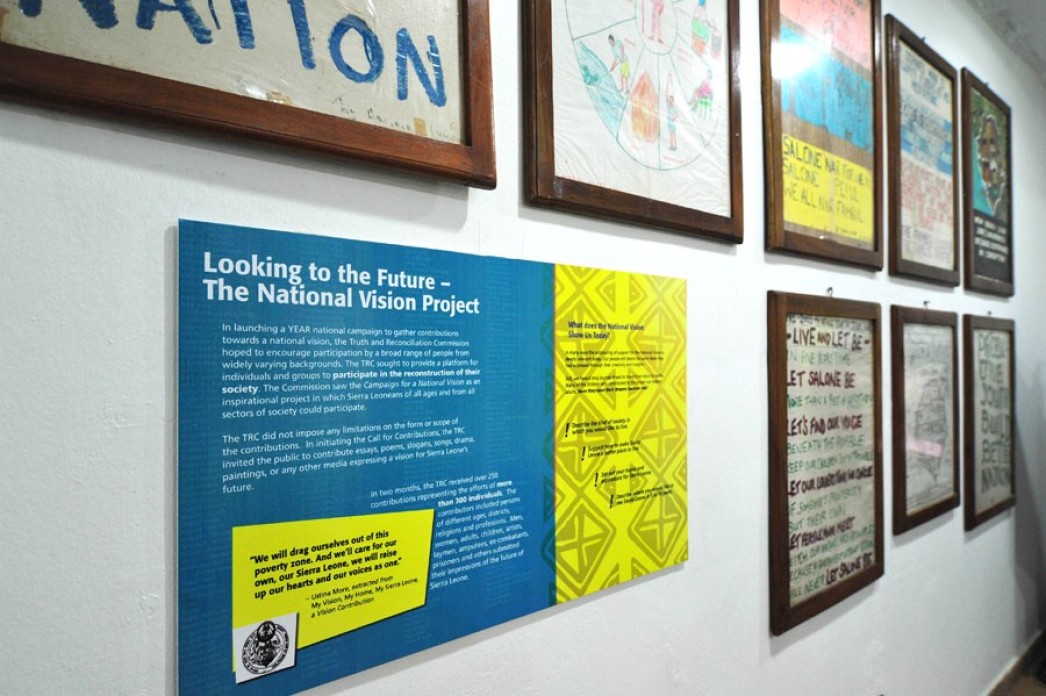
As the Special Court for Sierra Leone formally ended its work on December 2, 2013, a new museum opened on the former premises of the court, dedicated to peace.
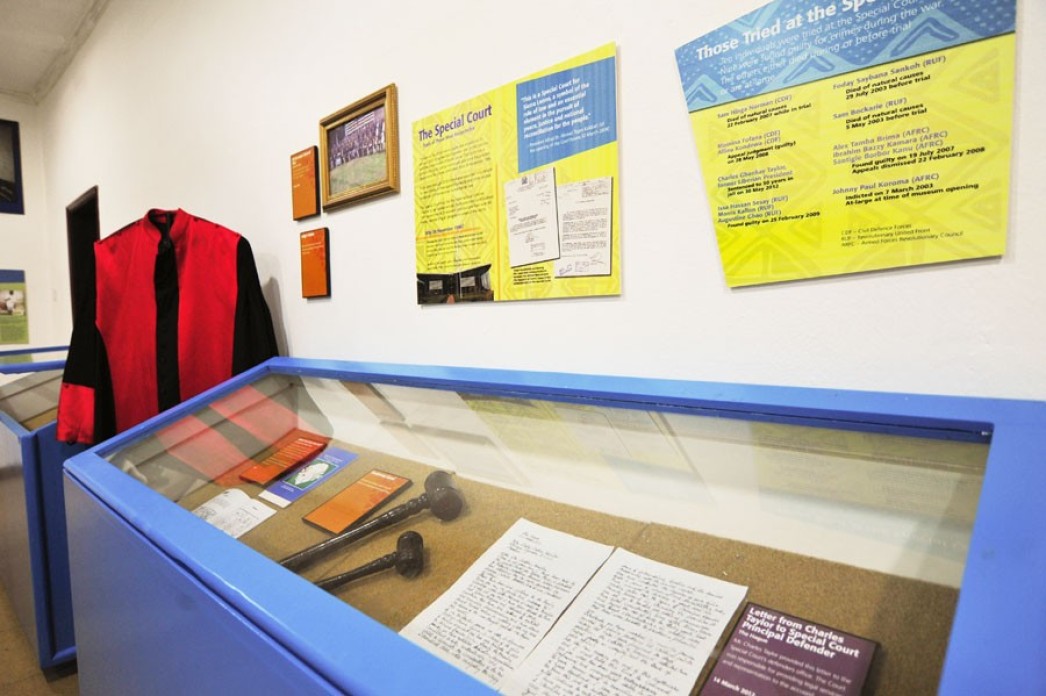
The SCSL was a hybrid criminal court, established jointly by the UN and Sierra Leone to prosecute perpetrators of serious crimes committed during the country’s civil war. It operated for over a decade and indicted 13 individuals including the former Liberian President Charles Taylor, who was convicted in 2012 for war crimes. It completed its mandate in 2013.
The closing ceremony was presided over by Sierra Leone’s President Ernest Bai Koroma, who said the court “reiterates our commitment to fight impunity, and it also underscores our respect for the promotion of the rule of law and preservation of peace and stability.”
The ceremony also marked the opening of the Sierra Leone Peace Museum, which will be housed in the complex of the SCSL.
A legacy project by the SCSL and the Government of Sierra Leone, the museum is an independent institution with the mission of preserving the history of the war, honoring its victims, and telling the stories of building peace.
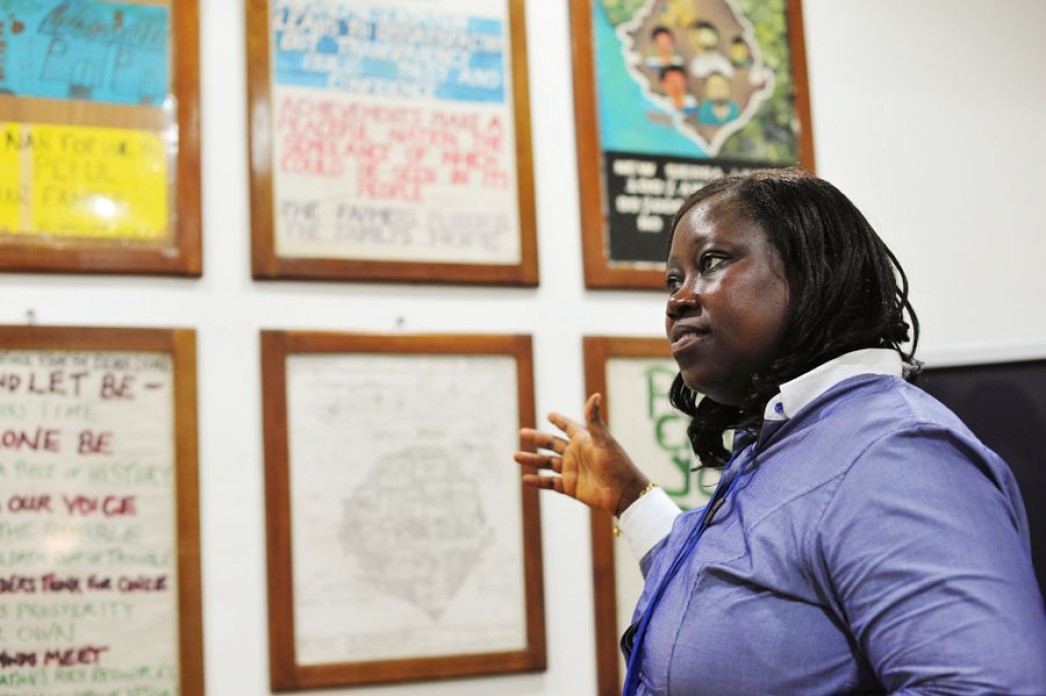
The museum’s exhibition aims to narrate the history of the war and the story of the peace process through artifacts. It will also host the archive of public records of both the SCSL and the Truth and Reconciliation Commission, as well as other historic documents related to the country’s recent history. The grounds will include a Memorial Garden dedicated as place of reflection for victims of the conflict.
Through its mobile outreach team, the museum will bring its exhibitions to schools and communities outside Freetown. It also plans to partner with historic sites around the country to help preserve and memorialize places of importance for communities who were affected by the war.
ICTJ is pleased to announced that the Peace Museum’s permanent collection will feature ICTJ’s multimedia project entitled “Seeds of Justice: Sierra Leone,” five portraits of Sierra Leoneans whose lives were impacted by the SCSL. The project is the culmination of a year-long initiative by ICTJ to examine the legacy of the Special Court.
“The Peace Museum offers an importance new space for Sierra Leoneans and visitors to learn about the tremendous efforts that Sierra Leone has made towards establishing peace, seeking truth about the past, and realizing justice for some of the top perpetrators of crimes during the war,” said David Tolbert, President of ICTJ. “It can act as an important beacon of memory for generations to come.”

