We work side by side with victims to obtain acknowledgment and redress for massive human rights violations, hold those responsible to account, reform and build democratic institutions, and prevent the recurrence of violence or repression.

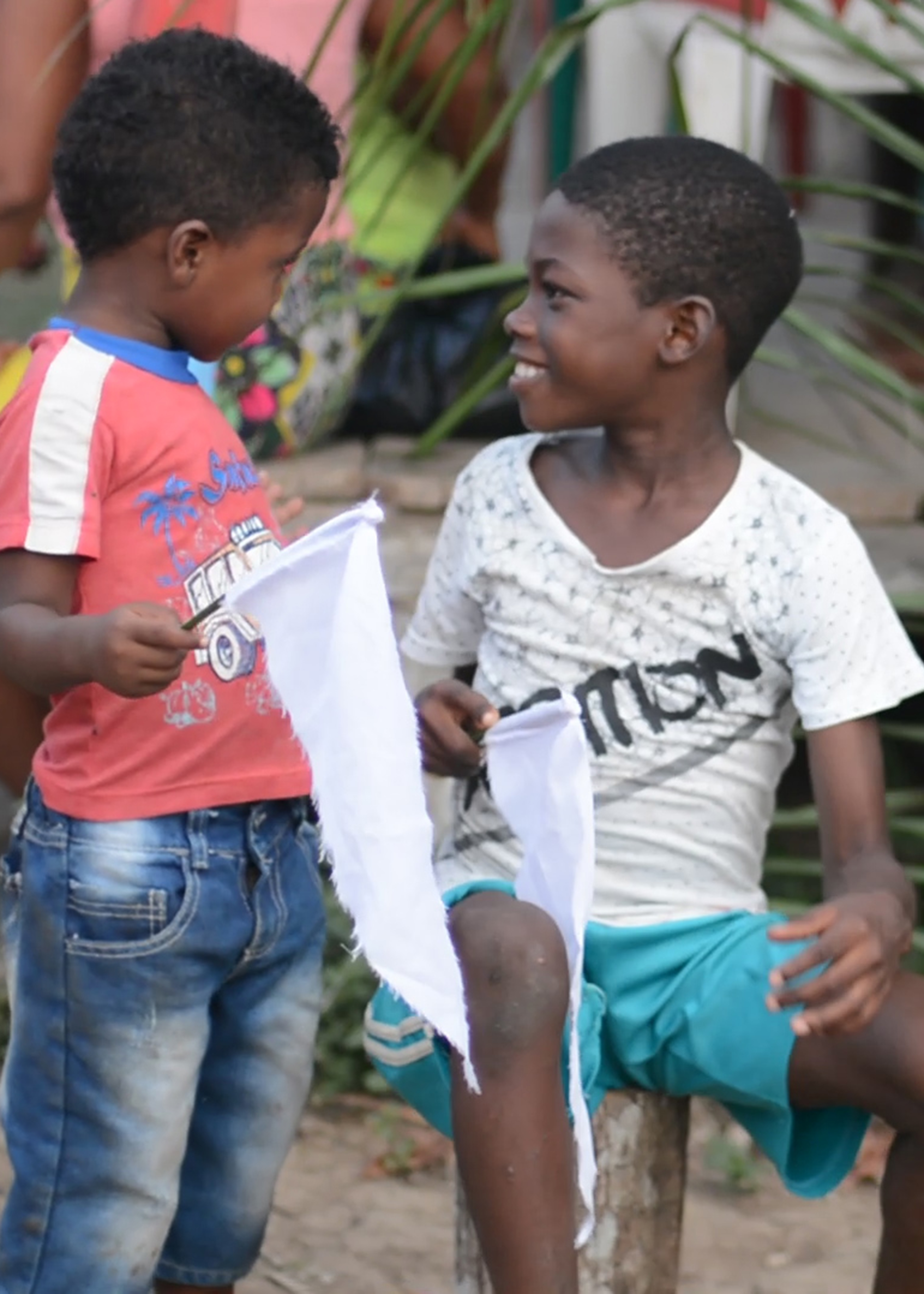
Overseas: Young Migrant Voices from Lebanon, Libya, and Tunisia
This book features testimonies of young migrants originally from or currently residing in Lebanon, Libya, or Tunisia who left their home countries for political or socioeconomic reasons. ...
Image
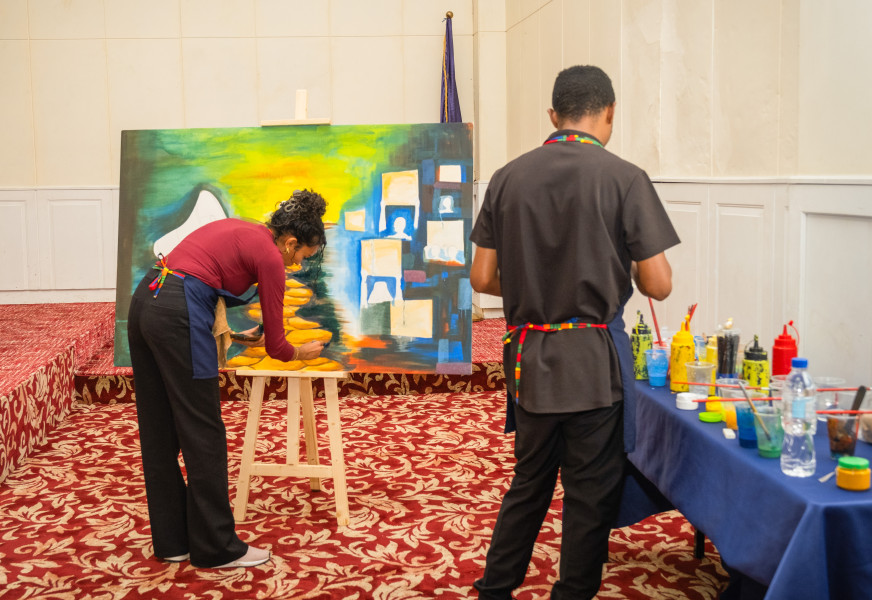
Stakeholders in Ethiopia Call for a Transitional Justice Process That Centers Victims, Women, and Healing
Over 100 representatives of civil society organizations, victims’ associations, government institutions, and diplomatic missions recently gathered in Addis Ababa to discuss what an inclus...
Image
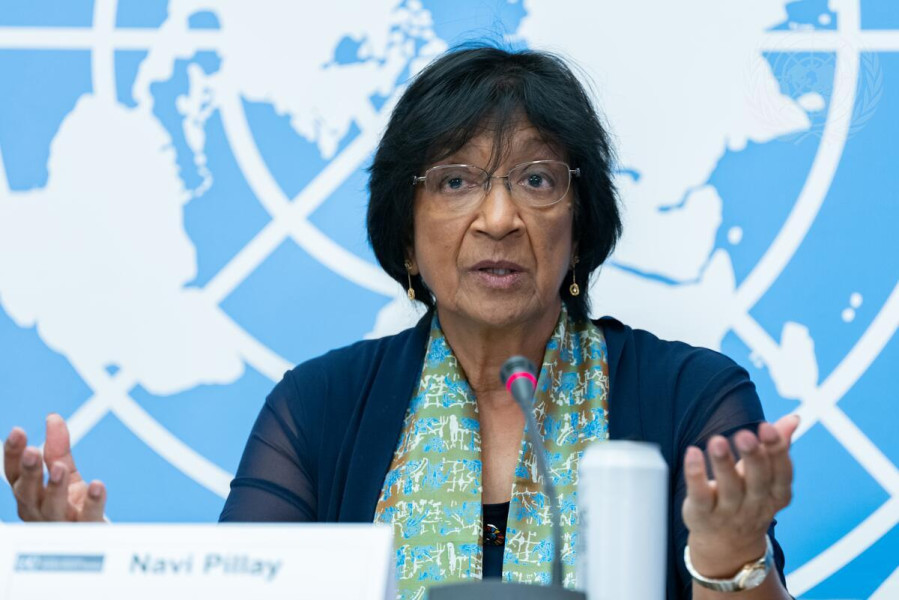
ICTJ Commends 2026 Nobel Peace Prize Laureate Navi Pillay
ICTJ warmly welcomes the recognition of Navanethem “Navi” Pillay as the 2026 Nobel Peace Prize Laureate and expresses its deep appreciation for her lifelong commitment to human rights, in...
Image

An Opening for Transitional Justice in Chad
Since its independence in 1960, Chad has navigated cycles of armed conflict, dictatorship, political violence, contested transitions, and deep regional and social divisions. While several...
Image
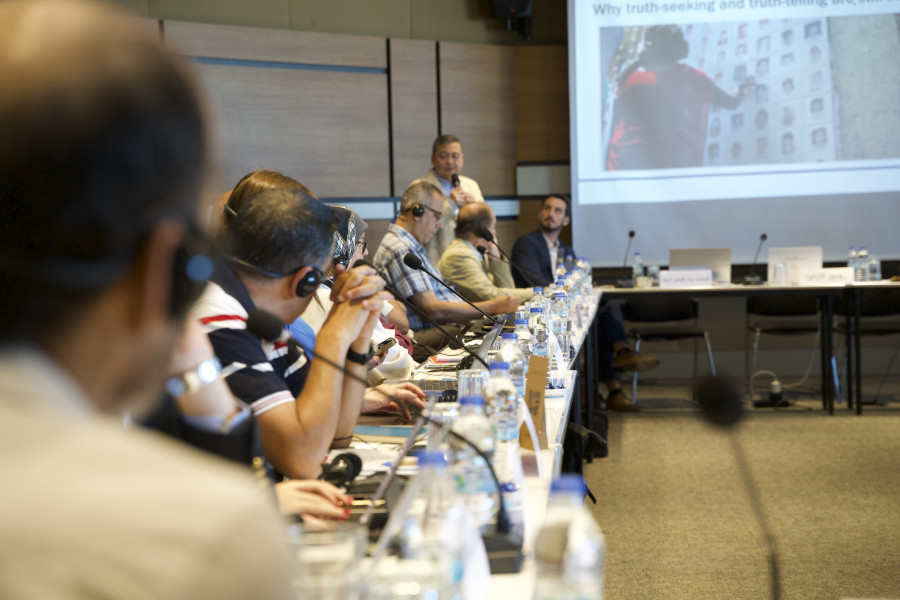
Artists and Justice Leaders Explore Creative Avenues for Truth, Justice, and Societal Transformation
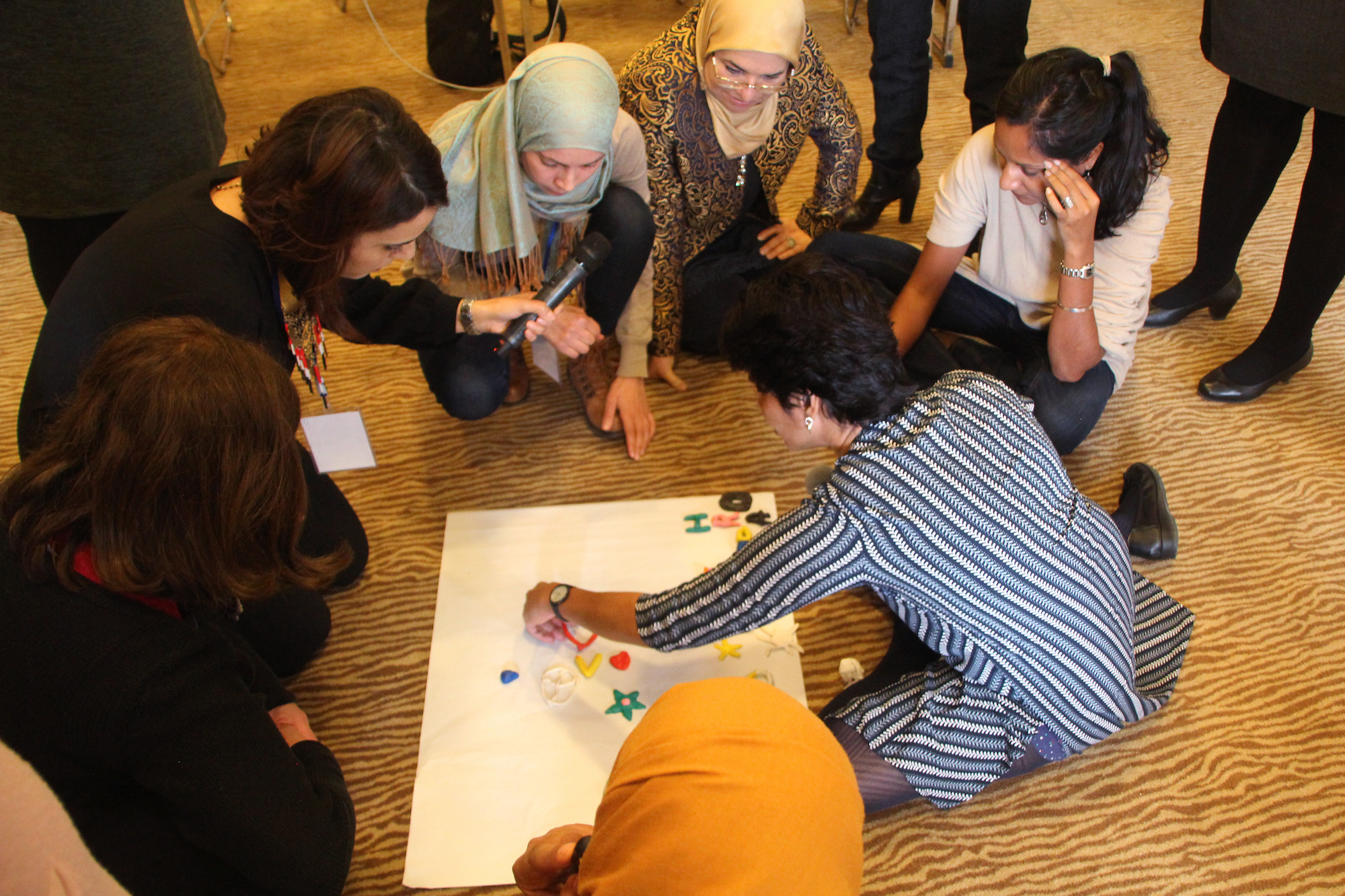
ICTJ recently convened an international symposium in Istanbul, Türkiye, that brought together artists, civil society leaders, journalists, academics, and transitional justice practitioner...
Explore hundreds of resources and insights into transitional justice and human rights issues.
Side by Side with Victims
ICTJ provides advice, support, and technical assistance to victims, members of civil society, and state and international actors committed to justice. In the fast-changing world, ICTJ is continually evolving and adapting its methodology to develop innovative solutions to emerging problems, advance its mission, and achieve justice for victims of human rights violations.