
On Victims' Day, Colombia Marches for Peace

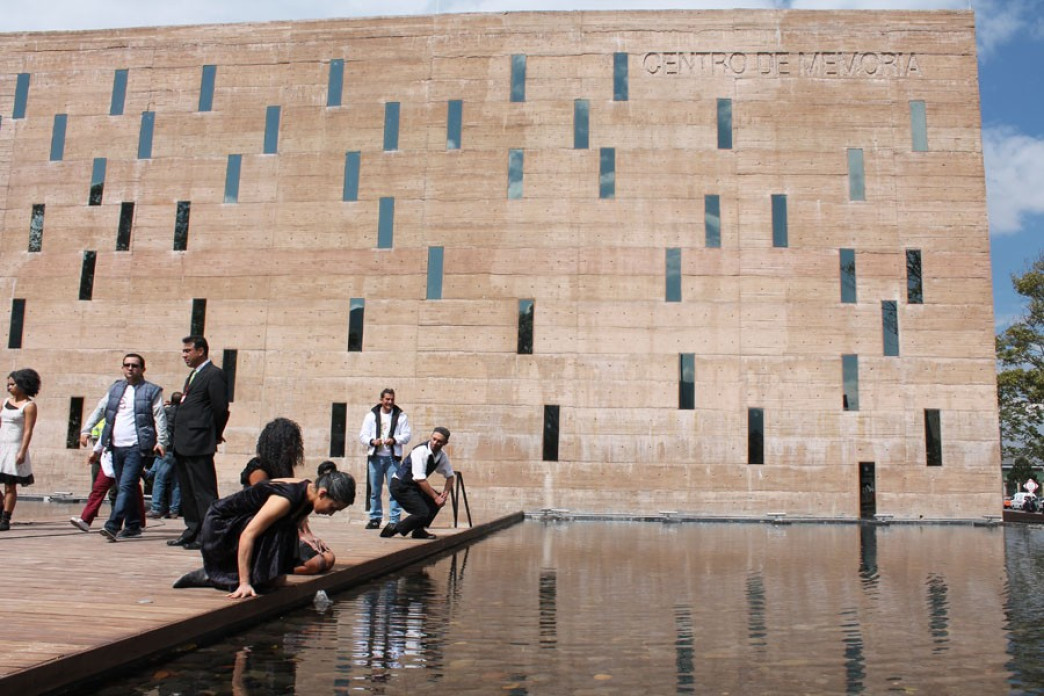
People looking over a reflecting pool.

Before the march started, a series of artistic presentations paying homage to the victims of the armed conflict took place at the Center for Memory, Peace, and Reconciliation in Bogotá. (Photo credit: Astrid Elena Villegas/ICTJ)

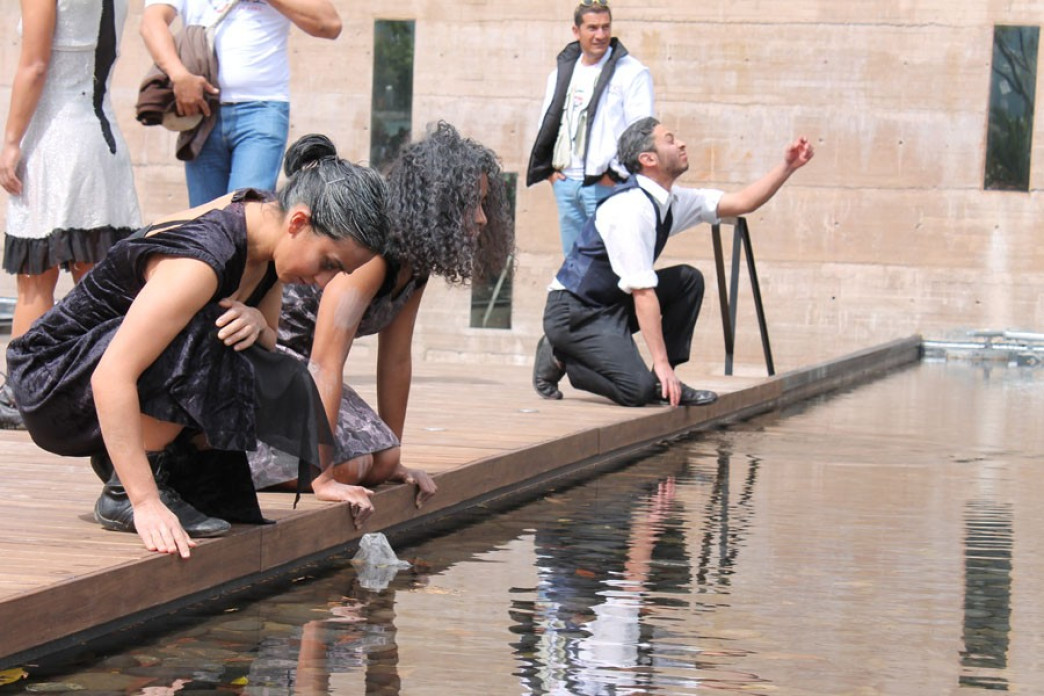
People looking over a reflecting pool.

Before the march started, a series of artistic presentations paying homage to the victims of the armed conflict took place at the Center for Memory, Peace, and Reconciliation in Bogotá. (Photo credit: Astrid Elena Villegas/ICTJ)

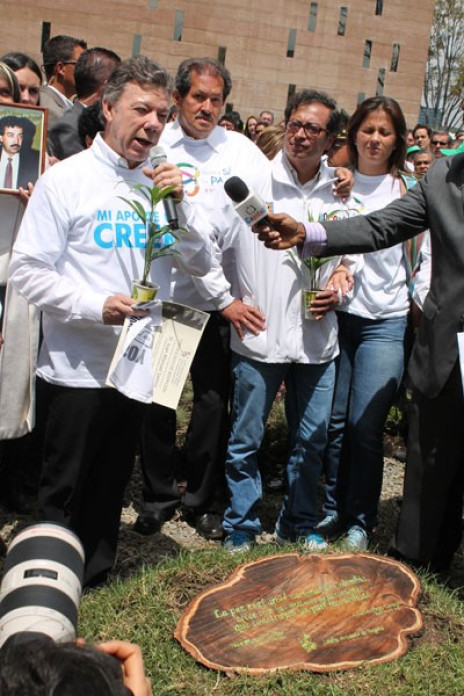
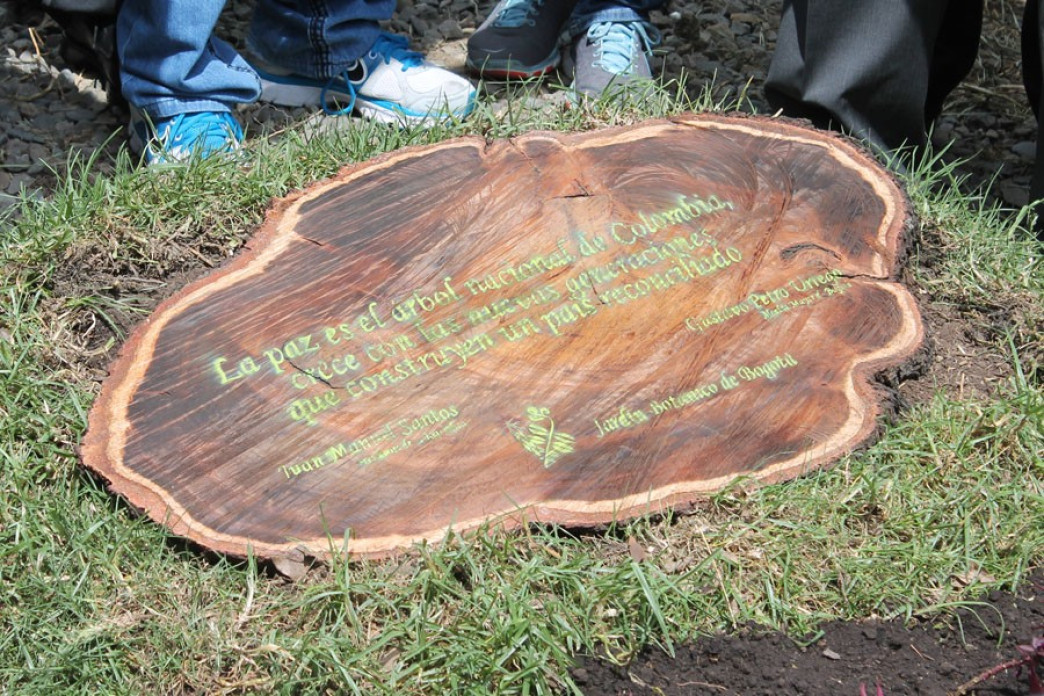
People gathered around a wood plaque.

Colombia's president, Juan Manuel Santos, vice president, Angelino Garzón, and the mayor of Bogotá, Gustavo Petro, pay homage to the victims at the Center for Memory, Peace and Reconciliation, planting the seeds of Colombia's national tree, the "wax palm." (Photo credit: Astrid Elena Villegas/ICTJ)

Men gathered talking.

The government representatives that are managing the peace process in Havana received society's support to continue the dialogues with FARC. (Photo credit: Astrid Elena Villegas/ICTJ)

A plaque.

Memorial by the president and the mayor of Bogotá for the Center for Memory, Peace and Reconciliation (Photo credit: Astrid Elena Villegas/ICTJ)

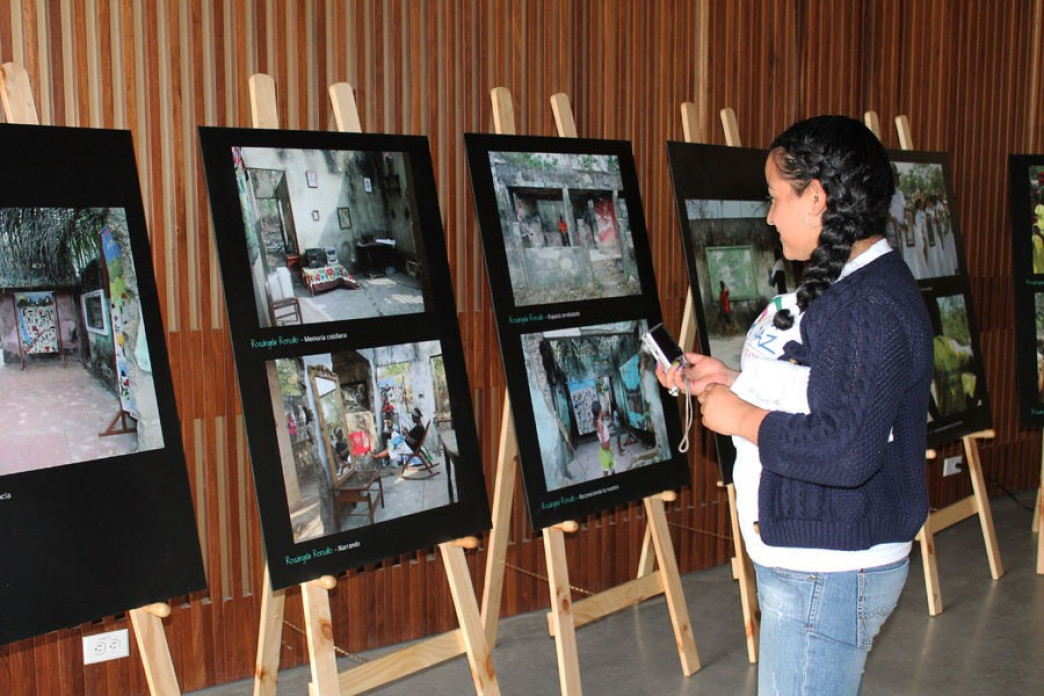
A girl looking at photographs.

Among those exhibitions, there will be a photography exhibition “Images to Resist Oblivion,” organized jointly by the Center for Historic Memory and ICTJ. (Photo credit: Astrid Elena Villegas/ICTJ)

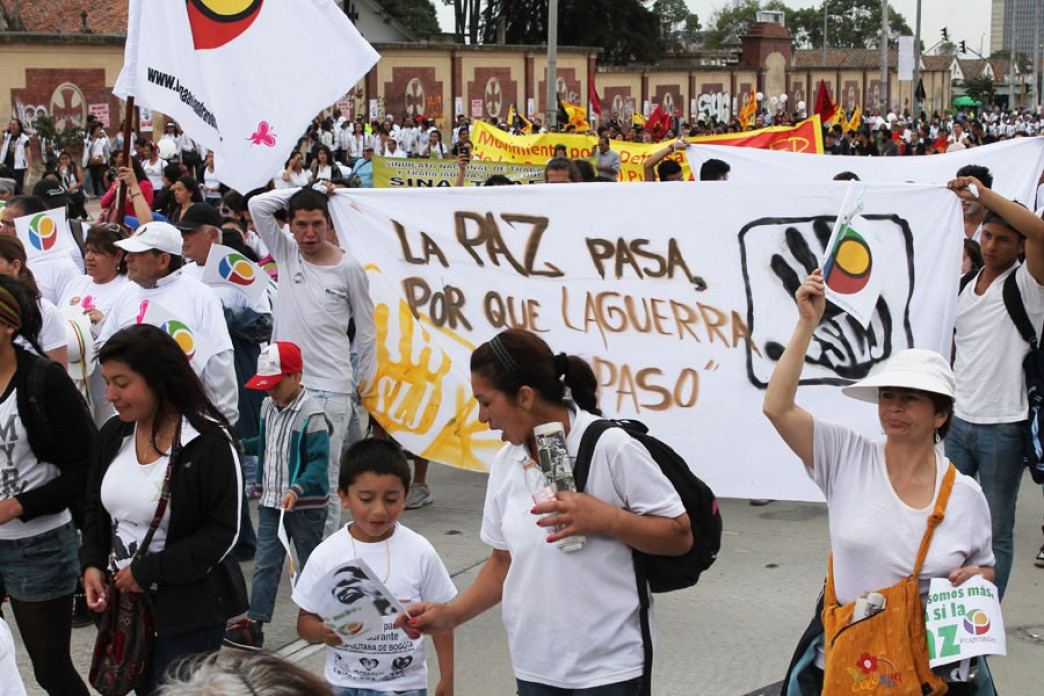
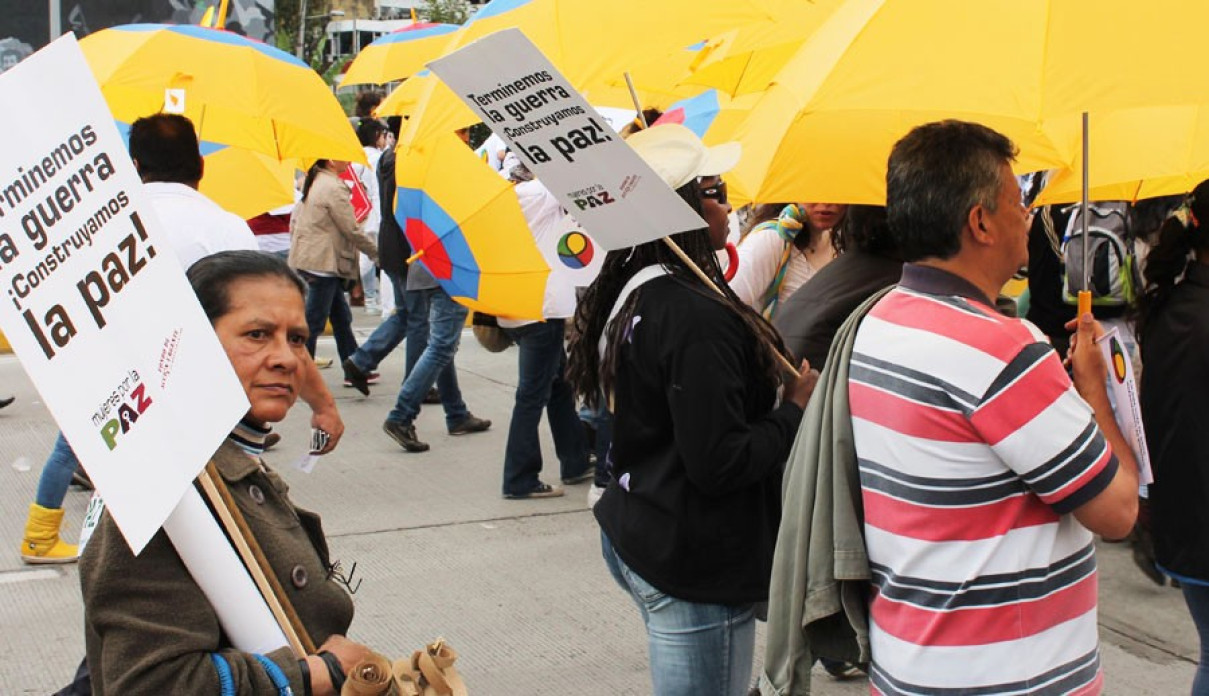
A march.

Thousands of Colombians marched on the streets of Bogotá to demand peace. (Photo credit: Astrid Elena Villegas/ICTJ)

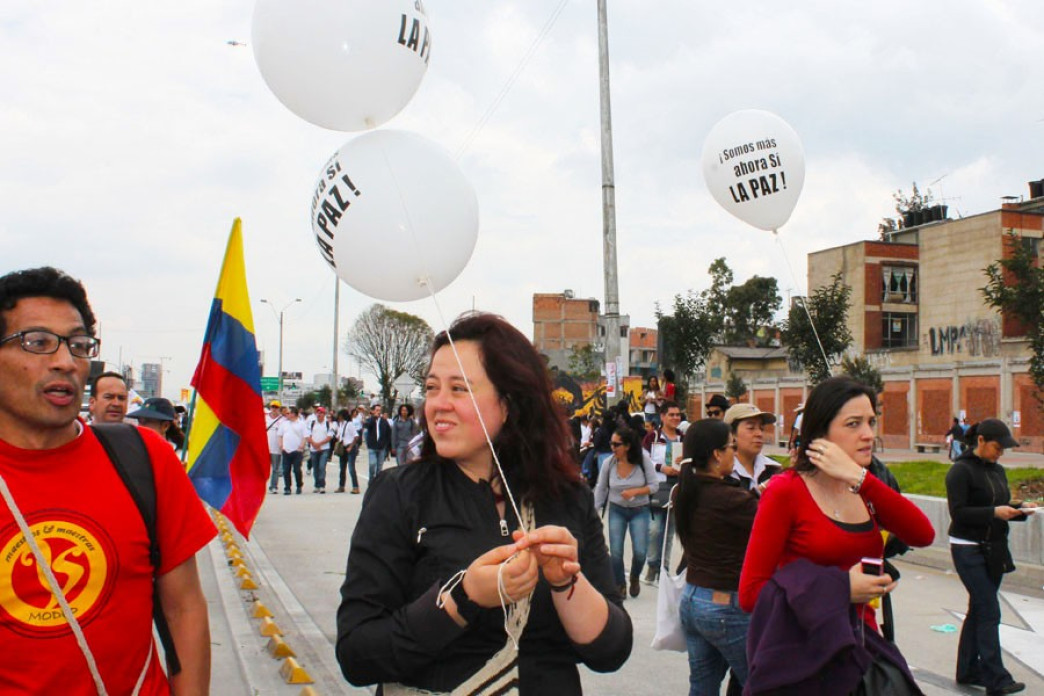
People holding balloons at a march.

People from all over Colombia traveled to Bogotá to participate in the national march. (Photo credit: Astrid Elena Villegas/ICTJ)

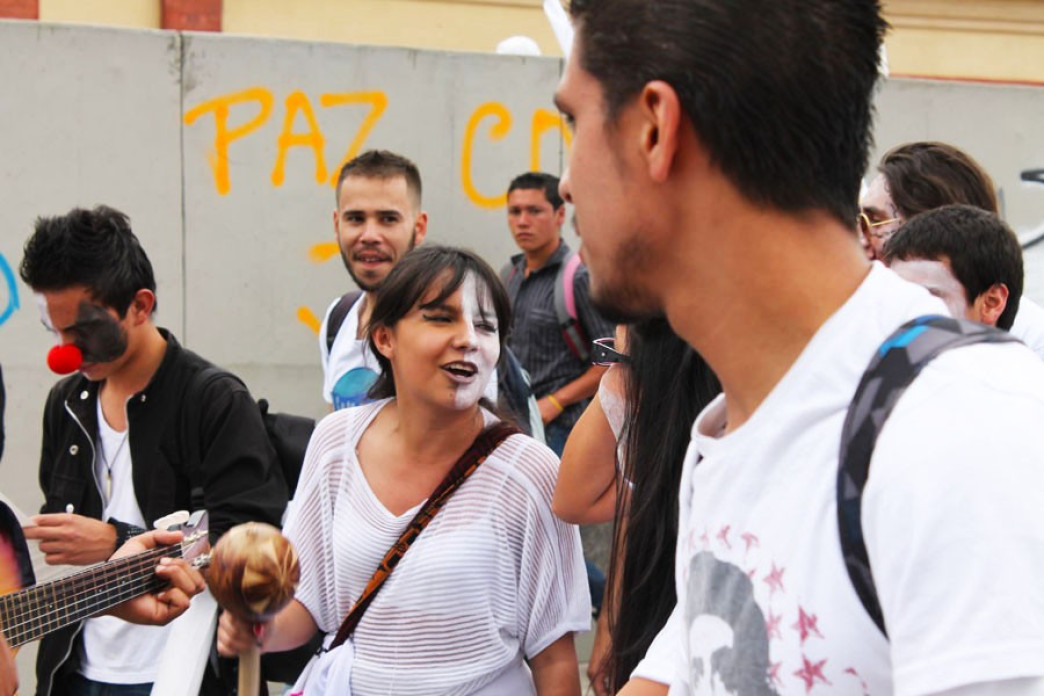
Youth at a march.

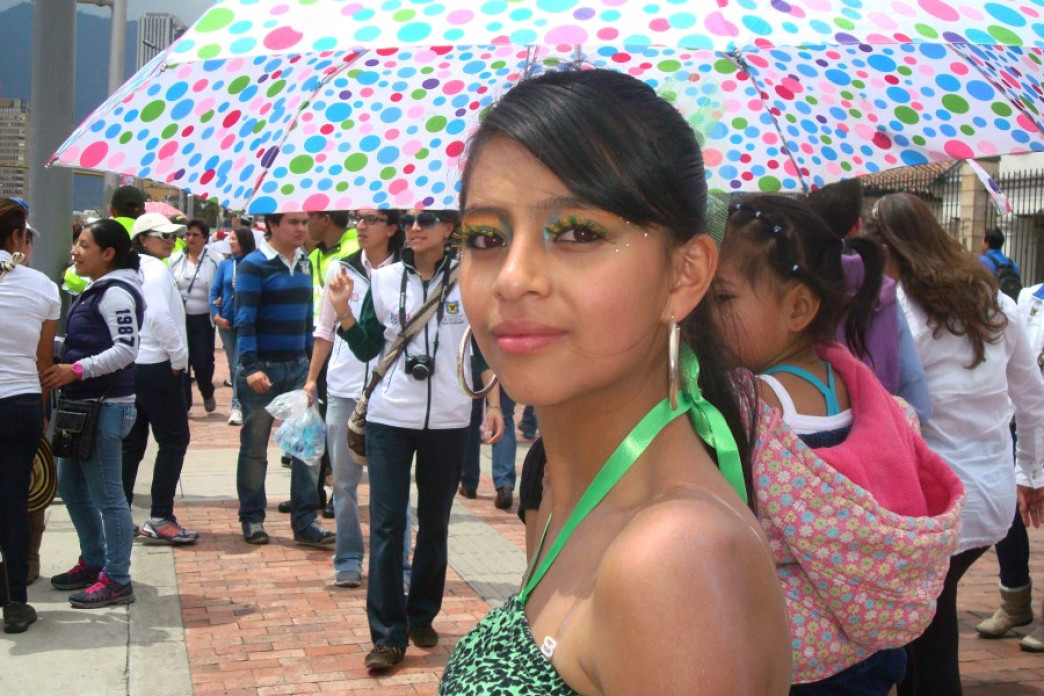
The youth were one of the most active groups during the march. (Photo credit: Astrid Elena Villegas/ICTJ)

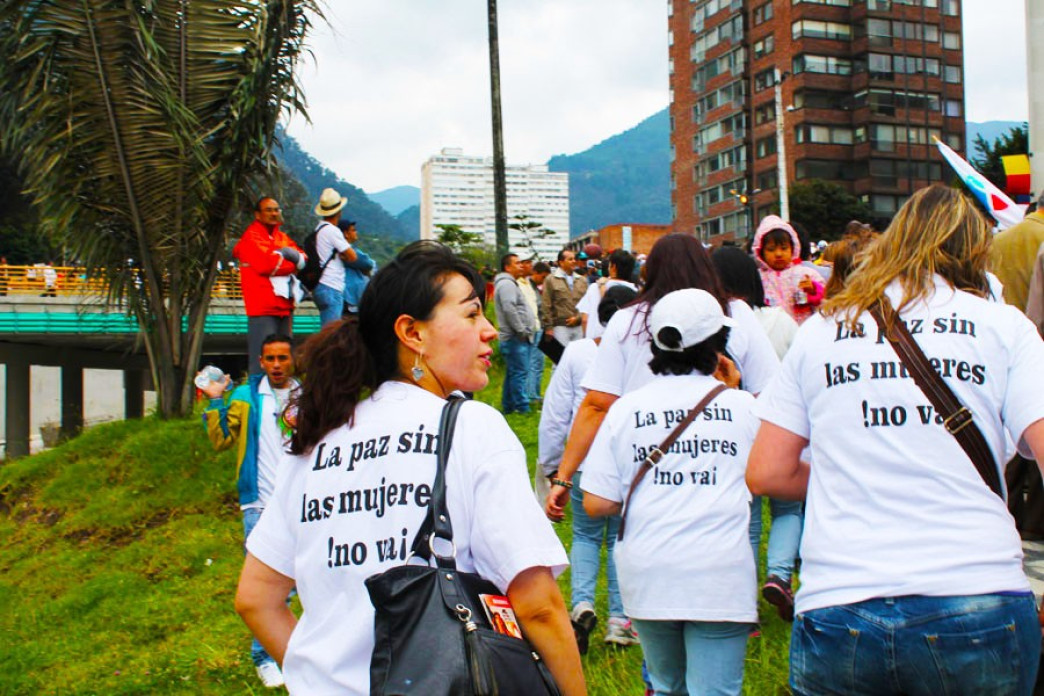
People at a march.

Thousands of Colombians marched on the streets of Bogotá to demand peace. (Photo credit: Astrid Elena Villegas/ICTJ)

People at a march.

Thousands of Colombians marched on the streets of Bogotá to demand peace. (Photo credit: Astrid Elena Villegas/ICTJ)

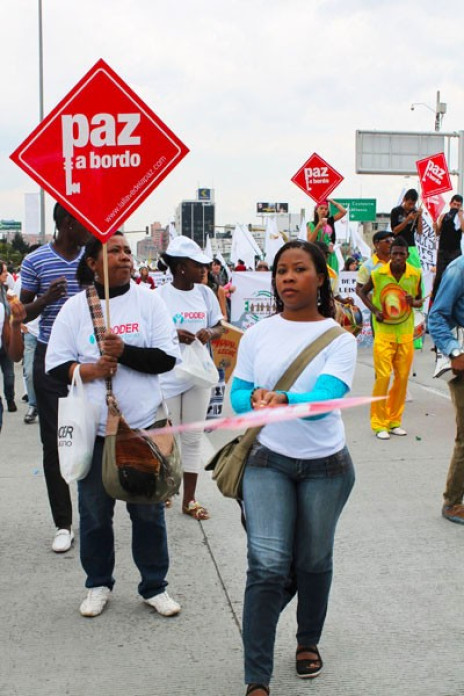
Women at a march.

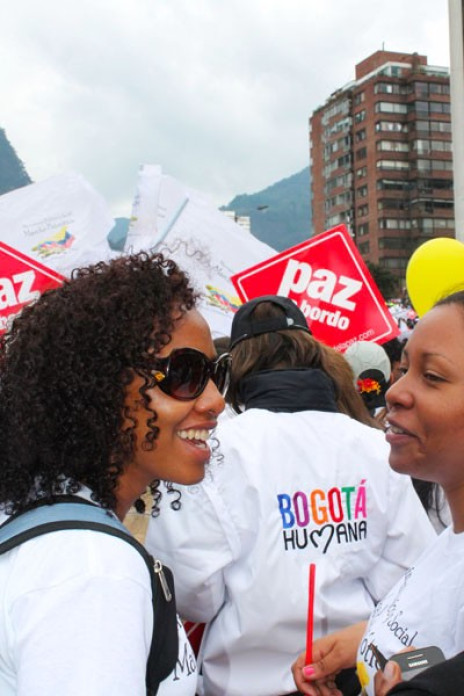
Women, key actors of Colombia's successful peace process. (Photo credit: Astrid Elena Villegas/ICTJ)

Women at a march.

Young women demand peace for Colombia. (Photo credit: Astrid Elena Villegas/ICTJ)

Art at a march.

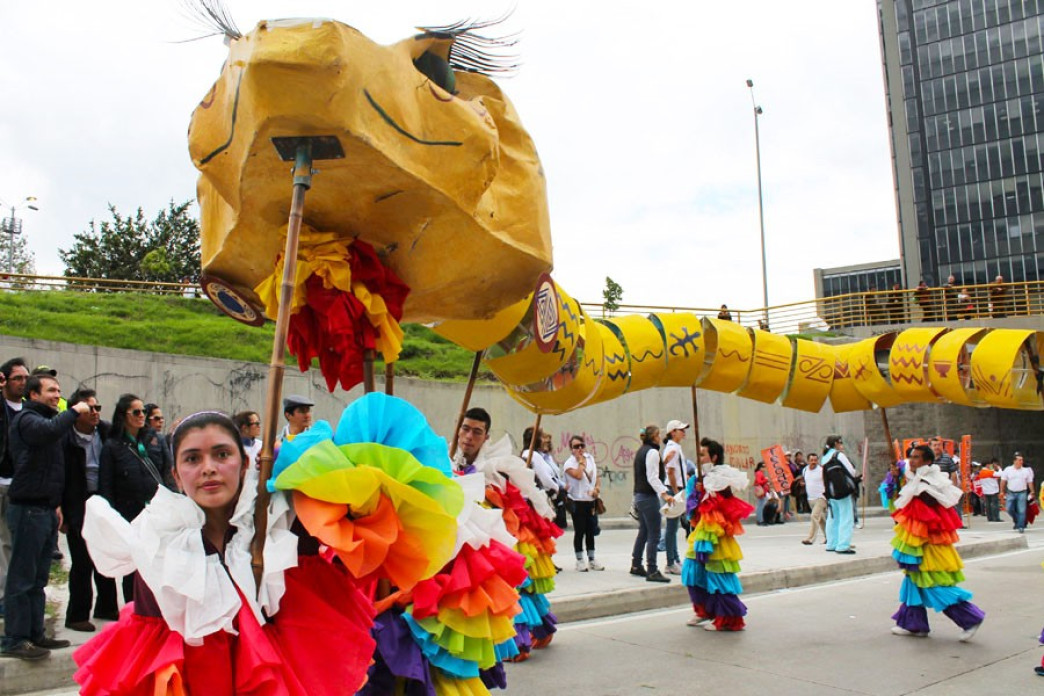
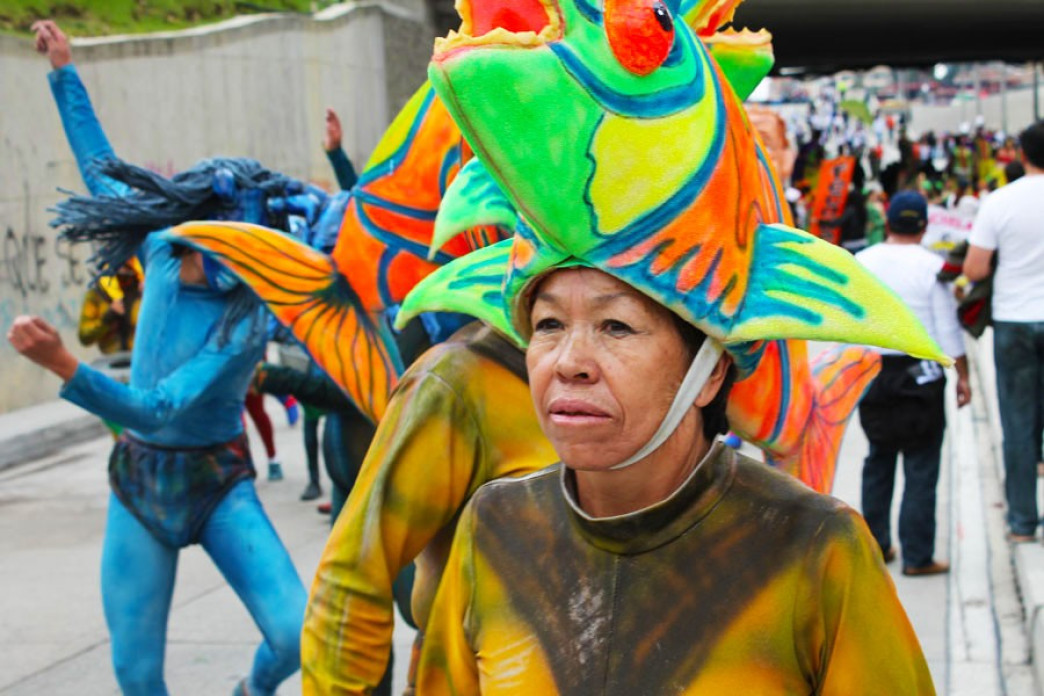
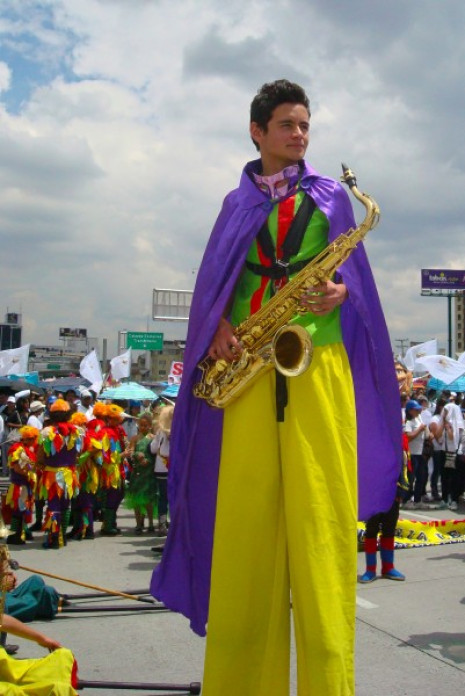
All kinds of artistic and traditional activities took place on the streets of Bogotá during the march for peace. (Photo credit: Astrid Elena Villegas/ICTJ)

Art at a march.

All kinds of artistic and traditional activities took place on the streets of Bogotá during the march for peace. (Photo credit: Astrid Elena Villegas/ICTJ)

A father holding his young daughter at a march.

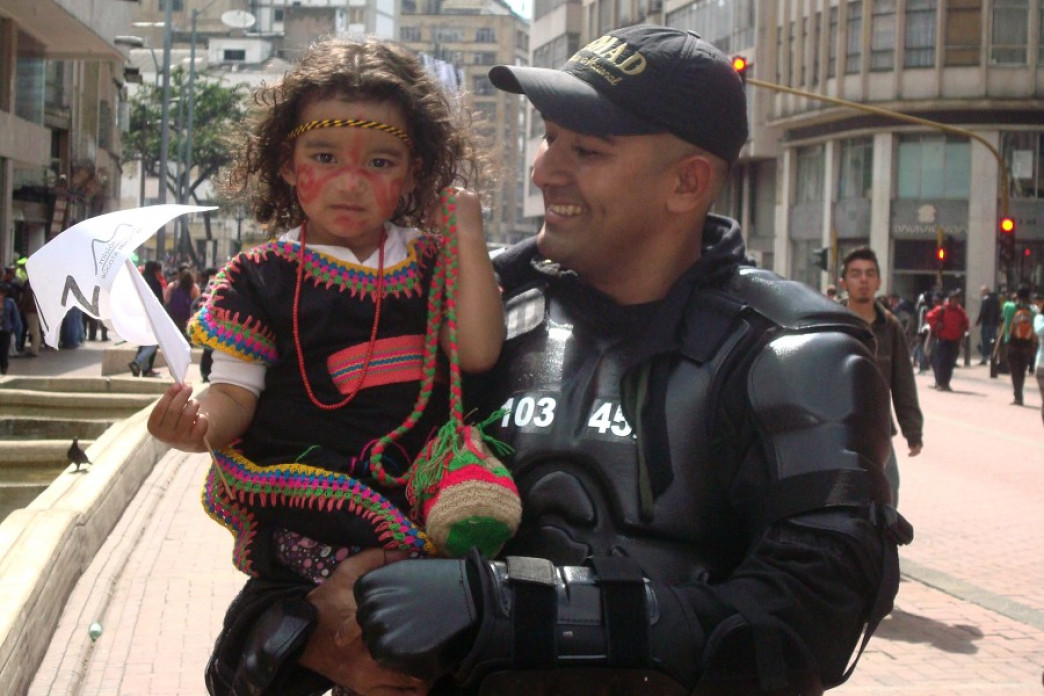
Children and grown-ups participated in the march for peace. (Photo credit: Catalina Meléndez/ICTJ)

A young girl at a march.

Children and grown-ups participated in the march for peace. (Photo credit: Catalina Meléndez/ICTJ)

A woman at a march.

Children and grown-ups participated in the march for peace. (Photo credit: Catalina Meléndez/ICTJ)

As the peace talks progress between the Colombian government and FARC representatives in Havana, many Colombians are increasingly hopeful that the country will be able to put an end to more than 50 years of armed conflict. Despite broad support by many different sectors of society, the negotiations have been controversial, and some people still oppose a political deal with the biggest insurgent group in the country.

With the aim of reinforcing the legitimacy of the peace process, which could lead to a historic compromise that would deeply influence the future of the country, thousands of Colombians marched to express their support for the discussions, for peace, and for democracy. Their motto was: “We are the majority: Now is the time for peace!”

In 2012, the victims’ law established April 9th as the National Day for Memory and Solidarity with Victims. “On Victims’ Day, we demand peace. This is a necessary condition for real guarantees of non-repetition. ICTJ supports the march because we believe that it is possible to reach just and sustainable peace in Colombia,” stated María Camila Moreno, head of ICTJ’s Colombia office.

Mass gatherings took place in all major cities of the country. Hundreds traveled from towns near Bogotá to participate in the national march thattook place in the streets of the capital. One meeting point was the Center for Memory, Peace, and Reconciliation, which was also officially opening to the public for the first time this day. In the Center, before the march started, a series of artistic presentations paid homage to the victims of the armed conflict. Among those exhibitions, there was the photography exhibition “Images to Resist Oblivion,” organized jointly by the Center for Historic Memory and ICTJ.

Colombia’s president, Juan Manuel Santos, and the mayor of Bogotá, Gustavo Petro, marched together from the Center for Memory, Peace, and Reconciliation, as a symbolic act of invitation to overcome political and social polarization, and to support a political resolution to the armed conflict.
