

643 results

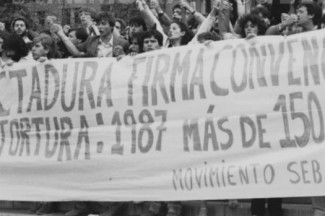
To mark 15 years of ICTJ, we asked staff past and present for memories that stand out to them - moments that throw the stakes of our work into sharp relief and resonate with them years later. Cristián Correa, Senior Associate in ICTJ’s Reparative Justice Program, shares a story about a Chilean mother's thirst to tell her daughter the truth about their past.

To mark 15 years of ICTJ, we asked staff past and present for memories that stand out to them - moments that throw the stakes of our work into sharp relief and resonate with them years later. Virginie Ladisch and Clara Ramirez-Barat recall how one Canadian student, in exploring the legacy of the country's Residential Schools, arrived at the concept of "never again."

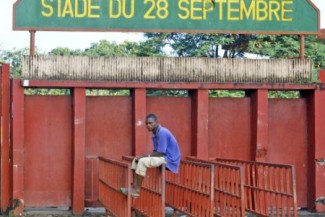
To mark 15 years of ICTJ, we asked staff past and present for memories that stand out to them - moments that throw the stakes of our work into sharp relief and resonate with them years later. Olivier Kambala wa Kambala, an ICTJ Program Associate from 2005 to 2010, talks about the thirst for justice he saw on a visit to Guinea, and how the political situation rendered quenching it impossible.

Mexico is overwhelmed by criminal violence and human rights violations in ways that ordinary rule of law mechanisms cannot address. While not undergoing a political transition, Mexico could benefit from transitional justice experiences when designing policies for pursuing accountabili...

This briefing paper examines the various actions that Ukrainian officials and members of the international community have launched to investigate and prosecute war crimes and other human rights violations committed in Ukraine since Russia invaded the country in February 2022. It explo...

First of the briefing paper Reflections on Victim-Centered Accountability in Ukraine

Youth activists and traditional leaders from the city of Duékoué, in western Côte d’Ivoire, gathered on October 15 to discuss how best to strengthen social cohesion and prevent future conflict. The city and surrounding region were among the areas most affected by the violence that broke out across the country following the 2010 presidential elections and that left thousands dead and many more injured, beaten, or raped.

In December 2018, we mourned the loss of ICTJ's founder, Alex Boraine. On December 12, Fernando Travesí sat down for an intimate conversation with Vincent Mai—ICTJ’s first chairman—to learn more about a life that we will continue to commemorate in the months and years to come.

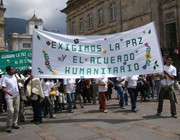
After several months of intense political debate, Colombia’s Senate passed constitutional reform measures containing extensive transitional justice provisions. The Legal Framework for Peace was adopted to confront decades of massive human rights violations and help to bring a sustainable peace to Colombia’s ongoing internal armed conflict.

What does the obligation to provide reparations mean when serious human rights violations are at issue? This report explores the evolving interpretation of the right to reparation in international law and jurisprudence and how domestic courts have provided judicial reparations at the ...

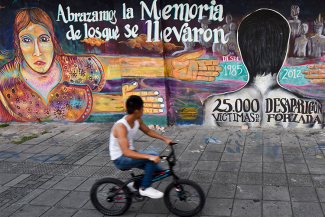
A man on a bicycle rides past a building whose exterior wall is covered in a colorful mural with writing in Spanish.

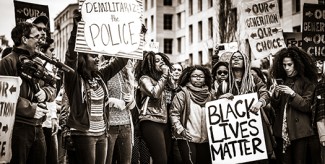
“No peace without justice” is a chant that filled the streets of the United States last year following the murder George Floyd by police in May 2020. This same chant has animated protest movements and social and political upheaval in many countries around the world. We at ICTJ know from our experience that these calls for justice are for something far more encompassing than criminal accountability alone.