

726 results

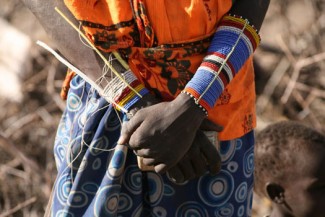
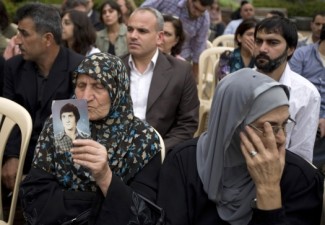
A major new report from ICTJ canvasses 31 countries to see how the crime of enforced disappearance affects women, as both the disappeared and the female relatives of the disappeared. It finds that across cultures, women face serious barriers to seeking relief due to discriminatory laws and practices.

This report examines the impact on women of enforced disappearances committed during Lebanon’s civil war, focusing in particular on the effects on wives of the missing or disappeared—and their children. The research is based on interviews conducted by ICTJ with 23 wives of missing or ...

This report canvasses 31 countries to see how the crime of enforced disappearance affects women as both the disappeared and the female relatives of the disappeared. It finds that across cultures, women face serious barriers to seeking relief due to discriminatory laws and practices. I...

In recognition of International Women’s Day, our experts on Gender Justice have identified eight of the many ways in which women’s lives are affected by disappearances.

President Jacob Zuma risks irreparably damaging the credibility of core elements of South Africa's deal with the victims of apartheid with his current plan to pardon 149 serious offenders and to potentially consider another 926 applications which are before him. Such a move would mark a profound breach of trust with the victims and South African society at large.

Ahead of Pope Francis' visit to Bosnia Herzegovina, ICTJ's Communications Director, Refik Hodzic, asks the leader of the Catholic Church to actively contribute to "a genuine reckoning needed for a genuine peace" in a society still stuck in the past, even 20 years after the war.

In this op-ed, ICTJ President David Tolbert explains why ignoring Boko Haram will only enable it to commit more atrocities. He argues that Nigeria’s government and the international community must learn the lessons of the LRA and act immediately to save lives and bring perpetrators to justice.

ICTJ hosts human rights scholar Michael Ignatieff and UN High Commissioner for Human Rights Zeid Ra'ad Al Hussein for an online debate whether the international community is abandoning the fight against impunity.

After LRA commander Dominic Ongwen was transferred to the ICC to face trial, questions have again been raised about Uganda's ability to prosecute serious crimes. A new publication from ICTJ analyzes the opportunities and challenges for the prosecution of serious crimes in Uganda and concludes with recommendations to enhance accountability in the country.

This paper describes proceedings in Uganda’s national courts against Thomas Kwoyelo, a former mid-level commander of the Lord’s Resistance Army, for war crimes and crimes against humanity. It analyzes the opportunities and challenges for the prosecution of serious crimes in Uganda and...