


350 results

This briefing paper is the summary of “The Disappeared and the Invisible: Revealing the Enduring Impact of Enforced Disappearances on Women,” a comprehensive study by ICTJ that identifies the impacts and government responses to enforced disappearances as they relate to women in 31 cou...

A major new report from ICTJ canvasses 31 countries to see how the crime of enforced disappearance affects women, as both the disappeared and the female relatives of the disappeared. It finds that across cultures, women face serious barriers to seeking relief due to discriminatory laws and practices.

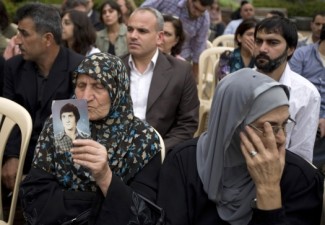
This report examines the impact on women of enforced disappearances committed during Lebanon’s civil war, focusing in particular on the effects on wives of the missing or disappeared—and their children. The research is based on interviews conducted by ICTJ with 23 wives of missing or ...

This report canvasses 31 countries to see how the crime of enforced disappearance affects women as both the disappeared and the female relatives of the disappeared. It finds that across cultures, women face serious barriers to seeking relief due to discriminatory laws and practices. I...

In recognition of International Women’s Day, our experts on Gender Justice have identified eight of the many ways in which women’s lives are affected by disappearances.

A new short documentary film “Remember Me” tells a powerful story of two young women whose fathers were disappeared during the conflict in Bosnia and Herzegovina.

ICTJ joins the global observations of the International Day for the Elimination of Violence Against Women, and the start of the “16 Days of Activism against Gender-Based Violence Campaign.” On this day, we recognize the ongoing efforts to protect women from violence in different parts of the world.

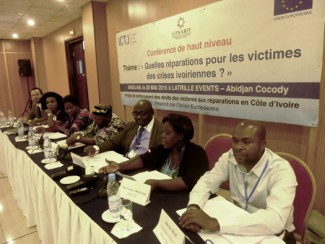
A new youth coalition has announced they will act as advocates for the rights of their fellow young Ivorians, and tell a new history of the violence that has so far been silent.

Kenya continues to deal with the repercussions of violence stemming from its disputed 2007 presidential elections, when political protests and targeted ethnic violence rocked the country, leaving thousands dead and hundreds of thousands displaced. Head of our Kenya office Chris Gitari gives an update on how Kenya is moving forward, and explains ICTJ's work in the country.

A new report from ICTJ provides insights on how women in northern Uganda have been affected by conflict, and gives recommendations on how transitional justice measures can recognize and redress the specific harms suffered by women as a result of the LRA conflict.