



354 results

ICTJ joins the global observations of the International Day for the Elimination of Violence Against Women, and the start of the “16 Days of Activism against Gender-Based Violence Campaign.” On this day, we recognize the ongoing efforts to protect women from violence in different parts of the world.

A new youth coalition has announced they will act as advocates for the rights of their fellow young Ivorians, and tell a new history of the violence that has so far been silent.

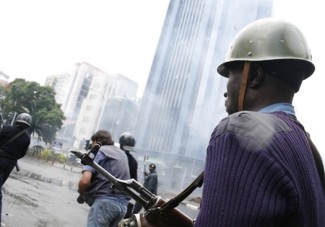
Kenya continues to deal with the repercussions of violence stemming from its disputed 2007 presidential elections, when political protests and targeted ethnic violence rocked the country, leaving thousands dead and hundreds of thousands displaced. Head of our Kenya office Chris Gitari gives an update on how Kenya is moving forward, and explains ICTJ's work in the country.

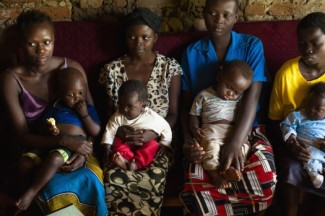
A new report from ICTJ provides insights on how women in northern Uganda have been affected by conflict, and gives recommendations on how transitional justice measures can recognize and redress the specific harms suffered by women as a result of the LRA conflict.

Transitional justice practitioners, researchers, and educators will gather next week at ICTJ’s headquarters in New York to explore the connections between transitional justice and education in peacebuilding contexts.

This year, to mark the International Day of the Disappeared, we bring the story of Ziad and Ghassan Halwani, two brothers in Lebanon whose father was kidnapped and disappeared when they were young. Their story is a powerful testament to the long-term impact of disappearances on the life course of those who are still growing up.

During Nepal's armed conflict, more than 13,000 people were killed and 1,300 forcibly disappeared. Today, a new government has voted to create a Truth and Reconciliation Commission, as well as a Commission of Inquiry on the Disappearance of Persons. Many victims have protested the flaws in the proposals; meanwhile, no comprehensive reparations have been provided for those left most vulnerable by conflict. In this interview with ICTJ's Santosh Sigdel, we discuss developments related to ICTJ's work in Nepal.

More than fifty years of conflict in Colombia have left hundreds of thousands of victims of multiple forms of violence, such as forced disappearance, murder, extra-judicial executions, kidnappings, torture and various forms of sexual and gender-based violence, including rape.

A new study from the International Center for Transitional Justice (ICTJ) shows that the Kenyan government has not effectively addressed the harms suffered by victims of sexual crimes committed during the violence that followed Kenya's disputed 2007 elections or ensured the accountability of perpetrators.

This briefing paper reviews the Kenyan government’s response to sexual and gender-based violence committed against women, men, and children during the 2007/2008 post-election crisis. It draws on interviews with over 40 survivors about their experience and analyzes the laws and transit...