


507 results

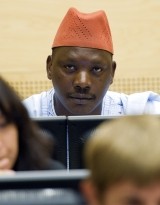
The conviction of Thomas Lubanga is a milestone for the international criminal justice system and may make an important contribution to the development and definition of the right to reparations in international human rights law. Accompanying a submission filed with the ICC in advance of its reparations proceedings, ICTJ has produced a briefing note examining what lessons the court can learn from the broader transitional justice field.

The conviction of Thomas Lubanga is a milestone for the international criminal justice system established by the Rome Statute, and may make an important contribution to the development and definition of the right to reparations in international human rights law. ICTJ has produced a br...

The search for justice in Guatemala continues, more than 15 years after the end of its long and brutal civil war. Claudia Paz, Guatemala’s prosecutor general and head of the Public Prosecutor’s Office, spoke with ICTJ about the struggle of victims and survivors to obtain justice for the crimes they suffered.

NEW YORK, March 22, 2011—The International Center for Transitional Justice (ICTJ) congratulates Pablo de Greiff, director of ICTJ’s Research Unit, on the nomination as the first UN Special Rapporteur on the promotion of truth, justice, reparation and guarantees of non-recurrence of serious crimes and gross violations of human rights.

After three years on trial and a total of seven in detention, Thomas Lubanga gained the dubious notoriety of becoming the first person to be convicted by the International Criminal Court (ICC) in The Hague. It would be encouraging if the court, including the prosecution, indicated it saw Lubanga’s judgment as an opportunity to learn critical lessons as well as celebrate a historic day in international justice.

For the millions of victims of the country’s successive wars, Lubanga is just one of many who are responsible for crimes on an astonishing scale. Congolese authorities must end the widespread impunity enjoyed by those who remain in positions of power in the government and military or violence and instability are likely to continue for years to come.

The last few decades have seen a revolution in the global struggle against impunity, but the decision to put General Efraín Ríos Montt on trial for crimes against humanity and genocide in Guatemala ranks among the most astonishing developments. Belatedly, but valiantly, a new breed of prosecutors, led by Attorney General Claudia Paz, have finally allowed his victims' pleas for justice to be heard.

Last week's decision by the International Criminal Court (ICC) in The Hague confirming four Kenyans must answer to charges of crimes against humanity does not excuse their government from responsibility to pursue justice at home, writes ICTJ vice president Paul Seils.

On Thursday, January 26, retired Guatemalan general Efraín Ríos Montt will stand before a judge in a Guatemalan court to hear the charges brought against him for genocide and crimes against humanity. ICTJ commends Guatemala for taking these important first steps to bring justice to bear after decades of impunity.

The decision of the International Criminal Court (ICC) confirming charges of crimes against humanity against William Ruto, Joshua Sang, Francis Muthaura, and Uhuru Kenyatta, and declining to confirm charges against Henry Kosgey and Mohammed Ali is a reminder that the vast majority of victims have still not seen justice done, the International Center for Transitional Justice (ICTJ) said.