622 results

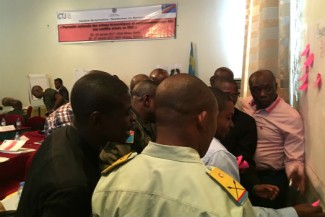
Potential political interference, poor evidence gathering and difficulty accessing remote areas are some of the main challenges to prosecuting economic and environmental crimes related to armed conflict in the Democratic Republic of Congo. Overcoming these challenges was the focus of a two-day workshop for judges and prosecutors in Goma and Bukavu, organized by the International Center for Transitional Justice (ICTJ), in collaboration with the United States Institute for Peace.

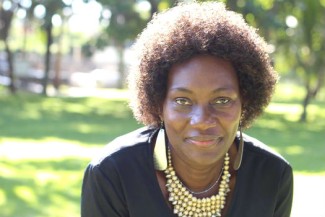
Jaya Luintel was a radio reporter in Nepal during the country's civil war, covering the conflict's impact on women. Now, she's helping female victims produce and broadcast their own stories to a national audience. Discover how her organization, The Story Kitchen, empowers women in Nepal.

As we look back on 15 years of ICTJ's work, we recognize that our greatest asset is the people whose knowledge, experience, and dedication made our contribution possible. To celebrate all who have been part of ICTJ’s story over the years, we asked some of our former colleagues to share their reflections and memories of moments that stand out: moments that throw the stakes of our work into sharp relief. In the weeks and months to come we will bring you their stories in Reflections on the Struggle for Justice. Caitlin Reiger, ICTJ's former Deputy Director of Prosecutions (2005–2010), reflects on the humanizing power of testimony, on display in East Timor.

Join President David Tolbert as we celebrate ICTJ at 15 years, during which there have been many pivotal moments, both for our organization and the struggle for justice globally.

As ICTJ looks back on its 15 years of work, join us in celebrating our allies across the globe who join us in the struggle for human rights, against impunity. To honor their efforts in the trenches of this shared struggle, we will bring you their stories in the weeks and months to come. We begin with Kenya's Jaqy Mutere, who provides both an empathetic ear and a political voice to survivors of sexual violence.

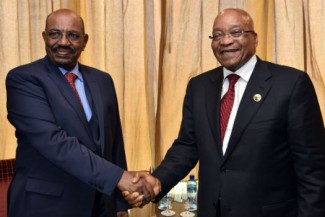
South African authorities apparently believe that once the country has officially withdrawn from the ICC, it will be free to invite the likes of Sudanese President al-Bashir to the country. That's not so, writes ICTJ's Howard Varney, who explains why the country's obligations would continue beyond its departure from the court.

Sexual violence against men and boys is alarmingly common amidst conflict or repression, but these crimes are often mishandled. A new ICTJ report examines how transitional justice efforts in South Africa, Kenya, Cambodia, and beyond have responded to the needs of male victims of sexual violence. What lessons can be drawn from these approaches?

Sexual violence against men and boys in times of conflict or repression is alarmingly common— and takes a markedly consistent form across contexts in terms of how it affects victims and societies as a human rights violation that is taboo to talk about. It has been committed in all cul...

Dominic Ongwen's ICC trial will determine whether the former child-soldier-turned-LRA-commander is guilty or innocent. However, for those of us supporting justice globally, discussion must extend beyond simple dichotomies: the reality of Ongwen’s actions and the context in which they occurred is much more complex than whether he is guilty or innocent. Moreover, the calls for justice by victims in Uganda extend far beyond the trial of a single man, and demand a multifaceted response.

A groundbreaking new book from the International Center for Transitional Justice (ICTJ) and UNICEF examines the complicated relationship between education, justice and peacebuilding in societies grappling with a legacy of violent conflict. It offers lessons on how education can be harnessed in a divided society to overcome the past and create the conditions for peace, often under very difficult circumstances.