

473 results

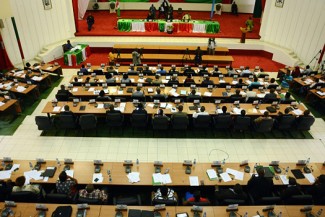
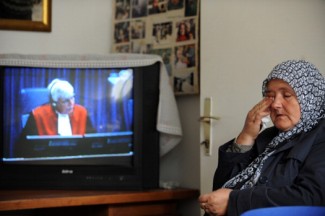
On April 10, the UN General Assembly is holding a thematic debate on the role of international justice in reconciliation processes. The debate was called by UN GA President Vuk Jeremic, of Serbia, in the wake of the recent acquittal of Croatian General Ante Gotovina by the International Criminal Tribunal for the Former Yugoslavia. Unfortunately, it has become clear that the real purpose of this debate is directed at undermining the ICTY, rather than to discuss an important issue, not only in the Balkans, but in a growing number of countries.

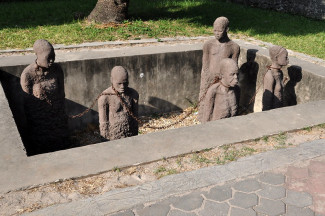
On March 25, 2026, the UN General Assembly adopted a resolution recognizing the enslavement of Africans as the gravest crime against humanity. The resolution is an integral part, if not the culmination, of a wider push by African states for reparations for historical injustices, including the transatlantic slave trade, colonialism, apartheid, and genocide.

This reports examine the role of memorials in transitional justice processes, based on research conducted in the Acholi and Lango subregions of northern Uganda. It offers recommendations to those planning memorial activities on how to achieve the highest impact.

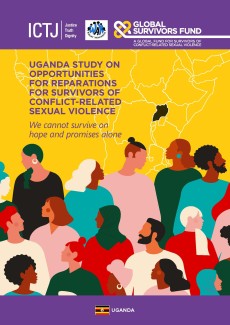
This report presents findings from a study conducted by ICTJ, the Women’s Advocacy Network, and the Global Survivors Fund to assess the reparative justice needs of victims of conflict-related sexual violence (CRSV) in Uganda. The study is based on interviews and focus group discussion...

graphically designed report cover

This paper provides a description of the brief proceedings against Callixte Mbarushimana and Sylvestre Mudacumura before the International Criminal Court.

This briefing paper provides an overview of the proceedings against Germain Katanga and Mathieu Ngudjolo before the International Criminal Court. The conviction and sentence against Katanga signifies the first final judgment of the ICC.

This briefing paper provides an overview of the proceedings against Thomas Lubanga before the International Criminal Court since the start of the prosecutor’s investigation in 2004 until the 2012 decisions of Trial Chamber I concerning the verdict, the sentence, and reparations. It id...

Although youth are key political and social stakeholders who have much to contribute to—and gain from—transitional justice processes, they often remain marginalized from such processes or are given only a limited and predetermined space in which to engage. In recent years, the peacebu...

In recent months, the crisis in the Central African Republic (CAR) that erupted five years ago has seemed farther than ever from resolution. A new report by ICTJ, I Am 100% Central African: Identity and Inclusion in the Experience of Central African Muslim Refugees in Chad and Cameroon, offers important insights on how a higher political commitment to inclusion could help transform a volatile rebuilding process into a sustainable peace.

This joint report by ICTJ and the Kofi Annan Foundation explores common assumptions about why truth commissions are created in the wake of armed conflict and what factors make them more likely to succeed – or fail. It arises from a high-level symposium hosted by the two organizations ...