

96 results

This report assesses the gender sensitivity of the African Union Transitional Justice Policy (AUTJP). Drawing on continental practice and scholarship, it identifies opportunities for AU member states, civil society, and donors to strengthen the policy’s implementation and its responsi...

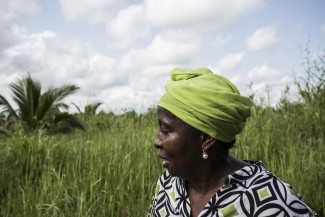
A woman stands in the profile position in a field of green plants on a sunny day with a clear blue sky
As Burundi and South Sudan teeter on the verge of renewed conflict, with warnings of possible genocides, a new report from ICTJ on the African Great Lakes region asserts that there are lessons to be learned from neighboring countries that may be relevant in preventing new conflicts. The report calls for a clear understanding of victims’ needs and demands, a thorough political analysis and identifying realistic opportunities for acknowledgment and accountability, among other measures.

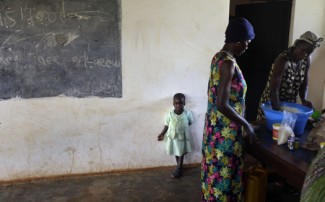
More than six years after the war in Uganda came to a formal end, the country has taken a landmark first step by unanimously adopting a resolution to establish a reparations fund informed by the experiences of both men and women.

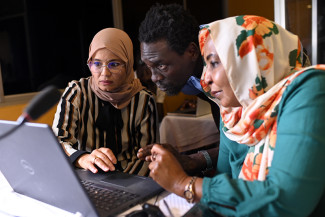
ICTJ recently convened human rights defenders, journalists, and lawyers from Libya, Sudan, Syria, Tunisia, and Yemen for a workshop on digital, open-source investigations. Held on November 3-8 in Kampala, Uganda, the course trained participants on open-source tools with a view to strengthening their work investigating, documenting, and monitoring human rights violations.

Ugandan victims of the LRA have waited over a decade to see the group’s leadership held accountable for crimes committed during the armed conflict with Uganda’s government. They saw it happen last week, when former LRA commander Dominic Ongwen appeared in court for an important hearing at the International Criminal Court.

ICTJ Vice President Paul Seils writes that the ICC cannot endorse impunity measures any more than others committed to the defense of human rights and the struggle for peace and justice.

Join ICTJ and the Center for Global Affairs for a conversation on how the ICC and the African Union can move forward, and what the AU position means for effective prosecutions within Africa and elsewhere.

Human Rights Network-Uganda (HURINET-U), The Uganda Coalition on the International Criminal Court (UCICC), The International Center for Transitional Justice, Avocats San Frontiers and Atrocities Watch are dismayed to learn that Government of Uganda has extended an invitation to President Omar al...

Eastern DRC continues to be affected by conflict and serious crimes continue to be committed against civilians living in the area by the national army (FARDC), national armed groups, and foreign armed forces. Holding perpetrators accountable is essential to dismantling the structures that allow the ongoing cycle of abuses to continue in the DRC.

ICTJ condemns in the strongest terms the murder last night of Senior Principal State Attorney Joan Kagezi, in Kiwatule, east of Kampala. As the founding prosecutor of the International Crimes Division of the High Court of Uganda, Kagezi played an instrumental role in introducing best practices to advance the effective investigation and prosecution of international crimes in Uganda.