

555 results

In less than two months since the inauguration of Rodrigo Duterte as president of the Philippines some 1,900 people have been killed at the hands of the police and death squads for suspected drug dealing or drug addiction. These unlawful murders echo the pattern of widespread and systematic extrajudicial killings that the country suffered under dictator Ferdinand Marcos.

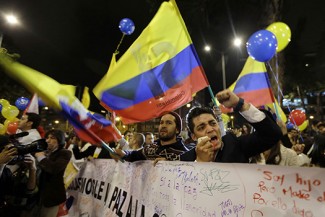
The agreement represents "an historic opportunity for Colombian society to build a peaceful future on foundations of respect for human rights and the rule of law,” said David Tolbert, president of ICTJ. “We have for years worked in support of victims’ rights in Colombia and will continue to do so with renewed energy and hope.”

The international organizations who have signed this statement are appalled at the illegal raid which occurred on August 15, 2016 at the residence of Guatemalan lawyer and human rights defender Ramón Cadena, Central America Director of the International Commission of Jurists.

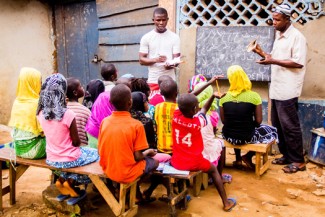
Understanding education as a form of both reconstruction and reparations is essential for societies in their efforts to address victims’ rights and help victims and their families overcome the consequences of a painful past.

This summer, our Intensive Course on Transitional Justice and Peace Processes brought experts from around the world together in Barcelona to examine how transitional mechanisms can be integrated into peace negotiations. Read about the course and watch interviews with our experts.

Where should justice for some of the world’s worst crimes be done? In national courts or at the International Criminal Court in The Hague? Our Handbook on Complementarity explores those questions, laying out the interconnected relationship between the ICC and national court systems in...

Last week, El Salvador’s Supreme Court overturned the country’s General Amnesty Law enacted in 1993, which served as a blanket amnesty for all crimes committed by the parties during the country’s 12-year civil war. Now, prosecutors must work with victims to seek justice for these crimes.

A new handbook written by ICTJ vice president Paul Seils explores the relationship between the ICC and national courts.

The struggle against impunity remains as important –and precarious –as ever as we celebrate International Justice Day on July 17. ICTJ marks the occasion with a look at complementarity, a concept critical to understanding the role that the ICC and national courts play in this struggle.