

322 results

In the years immediately before the 2015 election, there was a palpable sense of waiting among those working in Burmese civil society. Many of their plans depended on one or two critical developments to take hold: the NLD coming to power and the signing of a nationwide ceasefire agree...

In transitional contexts, reporting does not simply present the facts, but instead shapes the parameters for interpreting divisive political issues. Coverage in such polarized contexts can mitigate or obscure the substance of transitional justice efforts to establish what happened, wh...

In a society grappling with the legacy of the past, citizens must make informed judgements and disentangle the facts from the sticky web of political rhetoric, denial, and polarizing propaganda. To do so, they rely on one key agent of social change: the media. But how can transitional processes effectively partner with the media and engage key constituencies? And what happens when media play a decisively negative role in mediating information about war crimes?

This volume examines the effects, risks, and potential of extending the field of transitional justice to cases that do not present a key moment of political transition to peace or democracy and instead are defined by political continuity and ongoing conflict. It begins with analyses o...

On International Day of the Victims of Enforced Disappearances, the families of the missing maintain their vow: "until we find them." As special bodies to search for their loved ones develop, what do victims expect?

1,300 are still missing in Nepal, nearly a decade after the country's bloody civil war ended. The peace agreement was meant to provide for the families of the disappeared, but today they are still searching for answers. As a new government body begins investigations, victims wonder: is the commission fully committed to addressing their needs?

In less than two months since the inauguration of Rodrigo Duterte as president of the Philippines some 1,900 people have been killed at the hands of the police and death squads for suspected drug dealing or drug addiction. These unlawful murders echo the pattern of widespread and systematic extrajudicial killings that the country suffered under dictator Ferdinand Marcos.

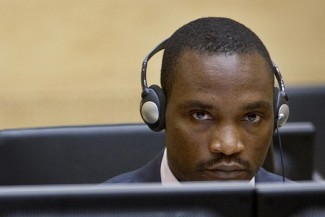
Germain Katanga, a warlord convicted by the International Criminal Court (ICC) for murder and other crimes, thought he was getting released from prison in January. Instead, authorities in the DRC have held Katanga following the conclusion of his ICC sentence and are now trying him on charges not originally addressed by the ICC. This represents a major step by the national judiciary in assuming its responsibility to prosecute international crimes.

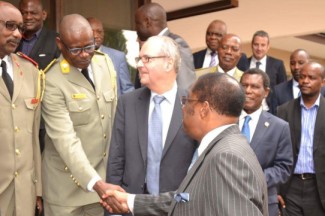
Colonel Muntazini serves as the focal point for cooperation between the ICC and the military justice system of the DRC, making him ideally placed to explain the practical implications of complementarity. Read his review of our Handbook on Complementarity and discover how it applies to his country and his work.

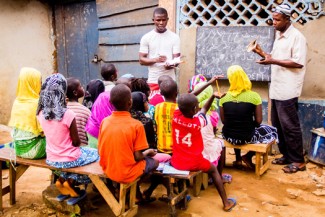
Understanding education as a form of both reconstruction and reparations is essential for societies in their efforts to address victims’ rights and help victims and their families overcome the consequences of a painful past.