256 results

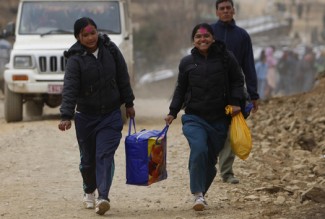
To mark 15 years of ICTJ, we asked staff past and present for memories that stand out to them - moments that throw the stakes of our work into sharp relief and resonate with them years later. Reshma Thapa, former ICTJ senior program associate in Nepal (2009- 2013), looks back on one particularly poignant dance shared among women in a small village.

As we look back on 15 years of ICTJ's work, we recognize that our greatest asset is the people whose knowledge, experience, and dedication made our contribution possible. To celebrate all who have been part of ICTJ’s story over the years, we asked some of our former colleagues to share their reflections and memories of moments that stand out: moments that throw the stakes of our work into sharp relief. In the weeks and months to come we will bring you their stories in Reflections on the Struggle for Justice. Caitlin Reiger, ICTJ's former Deputy Director of Prosecutions (2005–2010), reflects on the humanizing power of testimony, on display in East Timor.

In this op-ed marking Universal Children’s Day, ICTJ's Virginie Ladisch explains why within transitional justice, the capacity to make positive choices and demonstrate moral agency are attributes that need to be encouraged and fostered in children, especially former child soldiers.

The report examines the measures taken in Nepal to redress victims following the 2006 peace agreement, which formally ended the ten-year civil war between the government and Maoist rebels. It looks closely at the Interim Relief Program (IRP) — a compensation scheme instituted in 2008 ...

What does the obligation to provide reparations mean when serious human rights violations are at issue? This report explores the evolving interpretation of the right to reparation in international law and jurisprudence and how domestic courts have provided judicial reparations at the ...

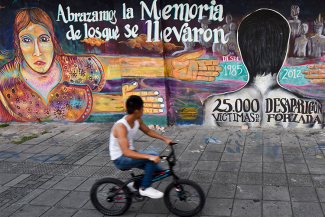
A man on a bicycle rides past a building whose exterior wall is covered in a colorful mural with writing in Spanish.

Political choices made early on in the state-building process have contributed to the current governance and rule of law deficit in Afghanistan. European actions have been marked by a lack of coordination between political and development assistance as well as diverse – and sometimes ...

A wide array of international donors are working with Timor-Leste to help support reform in the security sector. While many of these programmes have had a positive impact, donor-driven security reform agendas have been under-coordinated. Fortunately, this is beginning to change, as ...

Six years after the conflict ended, the government of Nepal has failed to initiate a comprehensive investigation into the past. As a result, it has failed to uphold the rights of victims and Nepali society to know the truth about abuses. Inaction is particularly cruel regarding the relatives of the disappeared, for whom lack of information on the fate and whereabouts of their loved ones equates to permanent anguish and extreme suffering.

This briefing paper sets out the obligations of the state and international best practice with respect to the right to truth, both as a key element of a transitional justice strategy and as a critical component of providing effective remedy to victims of gross violations of human righ...

The importance of an independent, representative, and competent truth and reconciliation commission (TRC) to guarantee the rights of victims to truth, justice, and reparations should not be underestimated. Key recommendations in this regard are included in this briefing.