



243 results

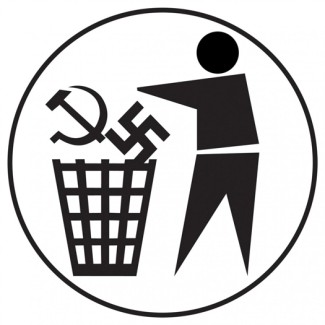
Ukraine's Maidan Revolution in 2014 ushered in a wave of decommunization efforts, ostensibly in order to ensure respect for human rights and to prevent a recurrence of the crimes of Communist and Nazi regimes. However, the laws were largely a product of contentious politics of memory: they further a particular understanding of past events that will likely continue to fuel division and distrust among Ukrainians, and between Ukraine and Russia.

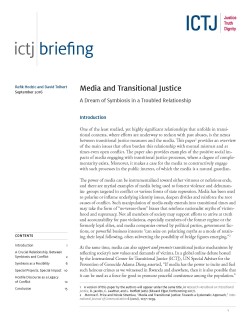
In transitional contexts, reporting does not simply present the facts, but instead shapes the parameters for interpreting divisive political issues. Coverage in such polarized contexts can mitigate or obscure the substance of transitional justice efforts to establish what happened, wh...

In a society grappling with the legacy of the past, citizens must make informed judgements and disentangle the facts from the sticky web of political rhetoric, denial, and polarizing propaganda. To do so, they rely on one key agent of social change: the media. But how can transitional processes effectively partner with the media and engage key constituencies? And what happens when media play a decisively negative role in mediating information about war crimes?

In Côte d’Ivoire, the state aims to restore victims’ rights and offer reparations to those affected by 2010’s post-election violence. A couple of years ago ICTJ came to the conclusion that discussions about how to provide reparations to victims had not sufficiently considered victi...

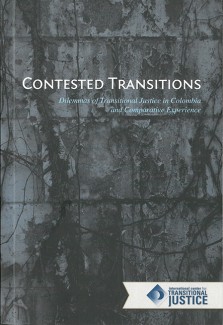
This volume examines the effects, risks, and potential of extending the field of transitional justice to cases that do not present a key moment of political transition to peace or democracy and instead are defined by political continuity and ongoing conflict. It begins with analyses o...

On International Day of the Victims of Enforced Disappearances, the families of the missing maintain their vow: "until we find them." As special bodies to search for their loved ones develop, what do victims expect?

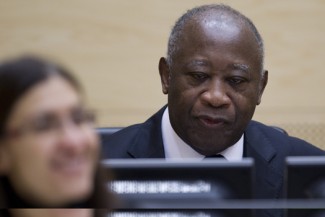
Complementarity is an essential tool in the fight against impunity - by working together, national courts and the ICC can seek justice for the worst crimes. But how is the fight against impunity playing out in Côte d’Ivoire? And how exactly can the Ivorian judiciary and the ICC ensure justice in CDI? A new review of our Handbook on Complementarity examines those questions and assesses how the Handbook can be used in his country.

Prosecution efforts so far have exacerbated, rather than alleviated, ethnic and regional divisions. Credible prosecutions against those most responsible on all sides of the conflict would offer a clear statement to all citizens of Côte d’Ivoire that the justice system is blind to ethnicity and is there to serve and protect all its citizens.

A new paper from the International Center for Transitional Justice (ICTJ) offers clear, concrete proposals for a new reparations policy in Côte d’Ivoire for victims of serious human rights violations. The recommendations, informed by extensive work in the affected communities, consider a range of options, including compensation (cash payments), rehabilitation, and symbolic measures.

In order to create lasting reconciliation between the victims of post-election violence and the Côte d’Ivoire state, the reparations program must respond to the most serious consequences of the violence for victims through measures that address their long-lasting socioeconomic, psychosocial, and education-related effects for victims and their children. To do that, ICTJ's Cristián Correa and Didier Gbery spent more than a year discussing needs with victims groups throughout the country.