459 results

ICTJ's Virginie Ladisch explores the consequences of social stigmatization and other problems facing children born of war in Uganda, Nigeria and beyond in this new op-ed.

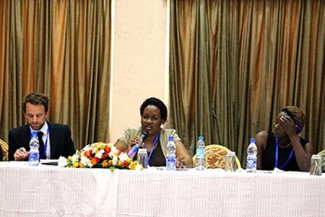
A new paper by ICTJ identifies several factors impeding Uganda's efforts to acknowledge violations and hold perpetrators accountable.

The government of Uganda has been slow to address and remedy serious human rights abuses committed against civilians throughout the country, despite its commitment under the Juba peace talks. This paper analyzes some of the underlying factors that seem to impede the implementation of ...

The actions of the South African government, in allowing Bashir to depart, have dealt a grave blow to the rights of victims of atrocities in Darfur and to the prospects of establishing a credible system of international criminal justice through the ICC.

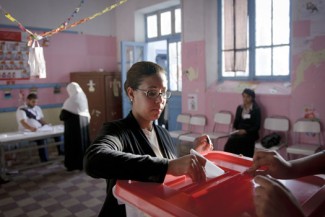
As Tunisia’s Truth and Dignity Commission (TDC) prepares to hear the testimonies of thousands of citizens, ICTJ is assisting women’s groups in ensuring that their voices are heard in the process.

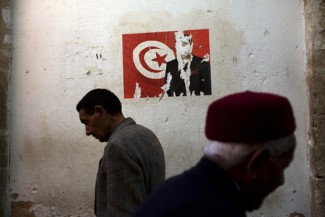
In this analysis piece, director of ICTJ's Reparative Justice program Ruben Carranza talks about the challenges Tunisia is facing in implementing individual and collective reparations measures since the fall of the Ben Ali dictatorship.

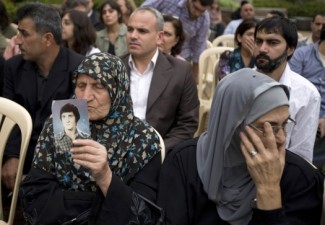
The wives of the missing and disappeared in Lebanon continue to suffer serious social, psychological, legal and financial effects on their lives, and the lives of their children, says a new report by ICTJ and the Institute for Women’s Studies in the Arab World at Lebanese American University.

ICTJ condemns in the strongest terms the murder last night of Senior Principal State Attorney Joan Kagezi, in Kiwatule, east of Kampala. As the founding prosecutor of the International Crimes Division of the High Court of Uganda, Kagezi played an instrumental role in introducing best practices to advance the effective investigation and prosecution of international crimes in Uganda.

A major new report from ICTJ canvasses 31 countries to see how the crime of enforced disappearance affects women, as both the disappeared and the female relatives of the disappeared. It finds that across cultures, women face serious barriers to seeking relief due to discriminatory laws and practices.

This report examines the impact on women of enforced disappearances committed during Lebanon’s civil war, focusing in particular on the effects on wives of the missing or disappeared—and their children. The research is based on interviews conducted by ICTJ with 23 wives of missing or ...