


442 results

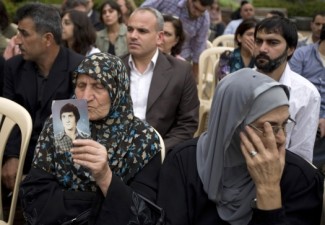
The wives of the missing and disappeared in Lebanon continue to suffer serious social, psychological, legal and financial effects on their lives, and the lives of their children, says a new report by ICTJ and the Institute for Women’s Studies in the Arab World at Lebanese American University.

A major new report from ICTJ canvasses 31 countries to see how the crime of enforced disappearance affects women, as both the disappeared and the female relatives of the disappeared. It finds that across cultures, women face serious barriers to seeking relief due to discriminatory laws and practices.

This report examines the impact on women of enforced disappearances committed during Lebanon’s civil war, focusing in particular on the effects on wives of the missing or disappeared—and their children. The research is based on interviews conducted by ICTJ with 23 wives of missing or ...

ICTJ hosts human rights scholar Michael Ignatieff and UN High Commissioner for Human Rights Zeid Ra'ad Al Hussein for an online debate whether the international community is abandoning the fight against impunity.

This briefing paper analyzes and reflects on the development of the ICC prosecutor’s strategy and application of procedural rules, since operations began at the International Criminal Court more than a decade ago. The mixed results of the court’s first cases, which arise from the situ...

This briefing paper provides an overview of the proceedings against Thomas Lubanga before the International Criminal Court since the start of the prosecutor’s investigation in 2004 until the 2012 decisions of Trial Chamber I concerning the verdict, the sentence, and reparations. It id...

This paper provides a description of the brief proceedings against Callixte Mbarushimana and Sylvestre Mudacumura before the International Criminal Court.

This briefing paper provides an overview of the proceedings against Germain Katanga and Mathieu Ngudjolo before the International Criminal Court. The conviction and sentence against Katanga signifies the first final judgment of the ICC.

ICTJ Vice President Paul Seils writes that the ICC cannot endorse impunity measures any more than others committed to the defense of human rights and the struggle for peace and justice.

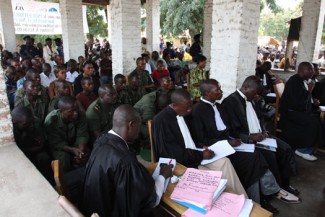
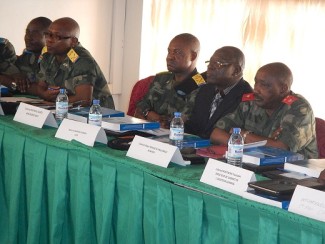
ICTJ, in cooperation with the United Nations Joint Human Rights Office (UNJHRO) and the United Nations Development Programme (UNDP), organized a high-level conference in Kinshasa today to discuss ways to strengthen the Congolese judicial system and its ability to investigate and prosecute serious crimes, such as genocide, war crimes, and crimes against humanity.