
260 results

ICTJ, in alliance with organizations Corporación Caribe Afirmativo, Colombia Diversa and Santa María Fundación organized meetings with activists and victims of the conflict to learn more about the needs of the LGBTI community, and to consider how transitional justice measures—especially non-judicial approaches—can contribute towards protecting their rights.

70-94% of the victims of enforced disappearances are men. But what happens to the women left behind? ICTJ's Amrita Kapur explains why women are uniquely impacted by the crime, and how transitional justice can help.

As peace talks advance between the Government of Colombia and the FARC guerilla group, an essential element of negotiations is how best to examine the truth about violence and abuses committed during the armed conflict. On February 25, 2015, the International Center for Transitional Justice and the Kofi Annan Foundation will host a conference in Bogotá, titled “Truth Commissions and Peace Processes: International Experiences and Challenges for Colombia.”

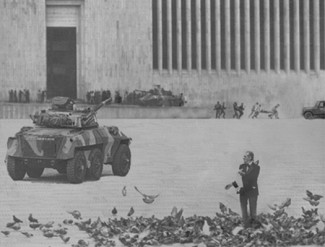
It has been nearly 30 years since one of the darkest episodes in Colombia’s recent history: the siege of the Justice Palace. Late last year, the families of those disappeared managed to take a step forward in their long struggle to obtain some measure of justice when the Inter-American Court of Human Rights issued a ruling condemning the Colombian state for responsibility in the disappearance of 12 individuals.

This briefing paper analyzes and reflects on the development of the ICC prosecutor’s strategy and application of procedural rules, since operations began at the International Criminal Court more than a decade ago. The mixed results of the court’s first cases, which arise from the situ...

This briefing paper provides an overview of the proceedings against Thomas Lubanga before the International Criminal Court since the start of the prosecutor’s investigation in 2004 until the 2012 decisions of Trial Chamber I concerning the verdict, the sentence, and reparations. It id...

This paper provides a description of the brief proceedings against Callixte Mbarushimana and Sylvestre Mudacumura before the International Criminal Court.

This briefing paper provides an overview of the proceedings against Germain Katanga and Mathieu Ngudjolo before the International Criminal Court. The conviction and sentence against Katanga signifies the first final judgment of the ICC.

ICTJ Vice President Paul Seils writes that the ICC cannot endorse impunity measures any more than others committed to the defense of human rights and the struggle for peace and justice.

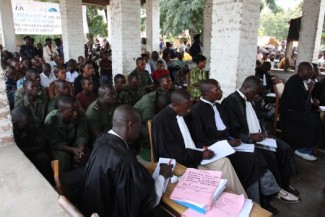
ICTJ, in cooperation with the United Nations Joint Human Rights Office (UNJHRO) and the United Nations Development Programme (UNDP), organized a high-level conference in Kinshasa today to discuss ways to strengthen the Congolese judicial system and its ability to investigate and prosecute serious crimes, such as genocide, war crimes, and crimes against humanity.