

473 results

May 24, 2011 – The International Center for Transitional Justice (ICTJ), Curious Pictures and Pivot Pictures hosted the premier of The Axe and the Tree: Zimbabwe’s Legacy of Political Violence at the Nelson Mandela Foundation in Houghton, South Africa.

In Africa's Great Lakes region, countries face common challenges like bad governance, inequitable distribution of natural resources, and ethnic divisions. As nations like Burundi, Central African Republic and South Sudan work towards peacebuilding and accountability, they should learn from what has worked and what has not in neighboring countries, writes Sarah Kihika Kasande, ICTJ's Head of Office in Uganda.

Why pursue transitional justice in the aftermath of massive human rights violations? This video provides a window into the debate about the relevance of transitional justice in today’s world.

Why pursue transitional justice in the aftermath of massive human rights violations? “The Case for Justice” provides a window into the debate about the relevance of transitional justice in today’s world.

This paper compares and contrasts peace negotiations in Sierra Leone and Liberia. It delineates lessons in peacemaking that emerge from this comparison. These include: considering all policy options, taking a nation's recent history into account, reinterpreting and challenging questio...

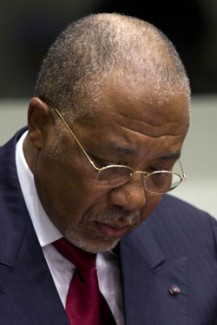
The Special Court for Sierra Leone-which began with the hope that it would be accessible to millions of Sierra Leoneans- has fallen short of its domestic goals. The decision to try Taylor in The Hague, rather than in Freetown, and the lack of adequate outreach activities made the cour...

Dominic Ongwen's ICC trial will determine whether the former child-soldier-turned-LRA-commander is guilty or innocent. However, for those of us supporting justice globally, discussion must extend beyond simple dichotomies: the reality of Ongwen’s actions and the context in which they occurred is much more complex than whether he is guilty or innocent. Moreover, the calls for justice by victims in Uganda extend far beyond the trial of a single man, and demand a multifaceted response.

This study examines the development of restitution and reparations in international law and practice over the last century. It aims to provide recommendations on how restitution can best contribute to transitional justice by reviewing four case-studies: the Czech Republic, South Afric...

On October 6, the International Criminal Court (ICC) found former Janjaweed militia leader Ali Muhammad Ali Abd-Al-Rahman (also known as Ali Kushayb) guilty of 27 counts of crimes against humanity and war crimes committed in Darfur between August 2003 and March 2004. This landmark verdict counters cycles of impunity in Sudan and sends a powerful message that these crimes are not tolerated.

Years have lapsed since the Democratic Republic of Congo (DRC) ratified the Rome Statute of the International Criminal Court (ICC) in March 2002, but the DRC government has yet to meet its legal obligation to incorporate the statute into national law. Adopting such legislation is esse...