

296 results

ICTJ hosts human rights scholar Michael Ignatieff and UN High Commissioner for Human Rights Zeid Ra'ad Al Hussein for an online debate whether the international community is abandoning the fight against impunity.

A new youth coalition has announced they will act as advocates for the rights of their fellow young Ivorians, and tell a new history of the violence that has so far been silent.

ICTJ convenes a high-level conference in Abidjan to discuss the progress in investigating and prosecuting serious crimes committed in Cote d’Ivoire during the 2010 post-election violence.

In this edition of the ICTJ Program Report, ICTJ Senior Associate Felix Reátegui discusses the principles behind the Truth and Memory program, and explains the imperatives of uncovering, acknowledging, and memorializing the past.

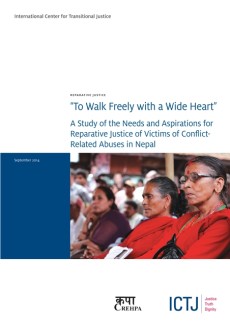
Annex to the publication, "'To Walk Freely with a Wide Heart' -A Study of the Needs and Aspirations for Reparative Justice of Victims of Conflict-Related Abuses in Nepal." (Nepali)

Annex to the publication, "'To Walk Freely with a Wide Heart' -A Study of the Needs and Aspirations for Reparative Justice of Victims of Conflict-Related Abuses in Nepal."

A new study by ICTJ finds that victims of human rights violations committed during Nepal’s 10-year armed conflict continue to experience hardship – and calls on the government to implement a comprehensive reparations program to respond to their acute and long-term needs.

This report presents the findings of an in-depth survey of more than 400 conflict victims in 10 districts of Nepal, researching their immediate and long-term needs and aspirations. Participants included those who had received benefits through the government’s Interim Relief Program an...

On August 7, the Extraordinary Chambers in the Courts of Cambodia (ECCC) found two senior leaders of the Khmer Rouge, Nuon Chea and Khieu Samphan, guilty of crimes against humanity. For many victims who have been waiting for 35 years, the judgment still felt like bittersweet justice.

Cote d’Ivoire must prioritize effective consultations and ensure meaningful engagement with victims and civil society throughout the country in its efforts to provide reparations to victims of political violence that engulfed the country during the disputed 2010 presidential elections.