4 results

This research report examines how civil society actors involved in transitional justice processes narrate and communicate their role, impact, and value. The study focuses on actors in Colombia, The Gambia, and Kenya, describing the content, form, and audiences of their communication w...

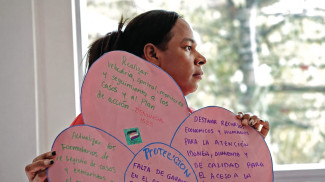
A person holds up a poater collage made up of pink paper with text in Spanish

On February 19, 2026, Venezuela’s National Assembly passed the Amnesty Law for Democratic Coexistence, which seeks to extinguish criminal liability for certain acts committed in the country over the past 26 years. While the law has sparked debate, it undeniably represents a significant development in the country's political landscape.

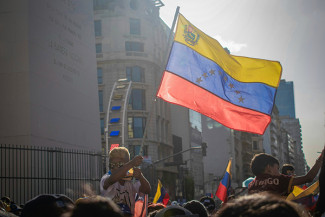
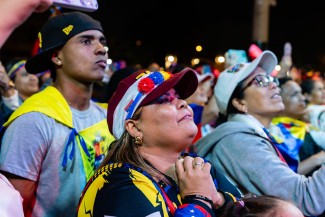
In the wake of the recent contentious presidential elections, Venezuelans from all walks of life took to the streets to express their collective distrust of the official results, outrage over their country's dire economic and political crisis, and demand for transformative change. For a brief moment, their sheer numbers and the of unity of their voices gave hope that a window of opportunity had opened for real change. In countries grappling with massive human rights violations, from time to time, a window of opportunity does in fact open for society to come together and a forge path toward peace and justice. Unfortunately, such windows do not remain open indefinitely.

Throughout 2023, ICTJ’s experts have offered their unique perspective on breaking news around the globe as part of the World Report. Their insightful commentaries have brought into focus the impact these events have on victims of human right violations as well as larger struggles for peace and justice. In this edition, we look back on the past year through the Expert’s Choice column.