

699 results

In recent months, the crisis in the Central African Republic (CAR) that erupted five years ago has seemed farther than ever from resolution. A new report by ICTJ, I Am 100% Central African: Identity and Inclusion in the Experience of Central African Muslim Refugees in Chad and Cameroon, offers important insights on how a higher political commitment to inclusion could help transform a volatile rebuilding process into a sustainable peace.

The ICTJ continues to support human rights victims in Nepal in their pursuit of justice, truth, reparations, and institutional reform. This briefing paper presents a summary of findings and recommendations from workshops that ICTJ conducted with women victims, as well as meetings it h...

When the Syrian people took to the streets in March 2011, nobody could have predicted that the ensuing crisis would become the largest international calamity in recent history. Syrians’ calls for freedom and justice, which rode the wave of revolutions in neighboring countries, have be...

Societies seeking to grapple with the past have much to gain by speaking with young people about their experiences and ideas more effectively. But by the same token, they have a responsibility to gather those statements in a way that both protects and respects youth voices. We sat down with Valerie Waters, author of a new report on taking statements from young people, to discuss the guide and clear up common misconceptions about the statement-taking process.

As human rights advocates and state representatives increasingly acknowledge the necessity of involving children in truth-seeking processes, there is a growing need for practical tools that facilitate children’s participation while prioritizing their protection. This statement-taking ...

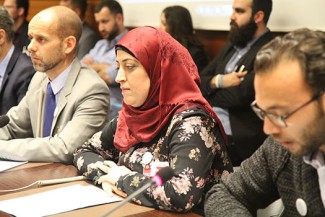
On March 22, Syrian victims and activists will gather in Geneva, Switzerland for a public hearing-style event examining the impact of the destruction of schools in the context of the Syrian conflict. The event will be hosted by the International Center for Transitional Justice and the ten Syrian organizations that together comprise the Save Syrian Schools project. A livestream will be available.

Anti-apartheid activist Ahmed Timol died in South African police custody in 1971, and his family continues to demand justice. While police claimed Timol died by suicide, evidence indicated that he was tortured and murdered. The family’s tenacious efforts led to the reopening of an inquest into Timol's death this year, with ICTJ senior program advisor Howard Varney representing the family. Last month the Pretoria High Court ruled in the family’s favor, finding that Timol did not kill himself but was indeed murdered while in police custody. ICTJ’s Sam McCann sat down with Varney to discuss the ruling, what it means to Timol’s family, and its significance for the fight for justice in South Africa.

A new, photo-filled publication from the International Center for Transitional Justice details how photos taken by Lebanese young people across the country helped to spark discussion about the disturbing, often-overlooked legacy of the Lebanese civil war.

Lebanon’s civil war continues to impact the Lebanese people, both those who lived through the war and those born after it. While the widespread harms it caused are still visible today, the official denial of both the war and its lasting consequences has left a hole in Lebanon’s histor...

ICTJ and its partners will hosted a national dialogue in Kampala, Uganda on the aftermath of sexual violence. The aim: to shift stigma from victims to perpetrators and end the culture of silence. Sarah Kihika Kasande, head of ICTJ's Uganda office, explains why such efforts are essential to ending impunity and securing a lasting peace in the country.