

536 results

This paper examines the unique, enduring consequences of conflict-related sexual violence in northern Uganda, focusing specifically on the impact of the lack of accountability for sexual crimes leading to motherhood on girls and women, and on the children they bore as a result of viol...

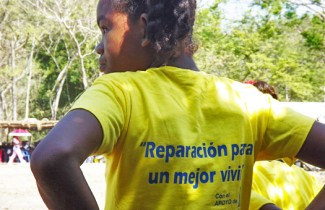
A complex law and ongoing violence are complicating efforts by the Colombian government to provide reparations to millions of victims of the country’s internal armed conflict, according to a new report by ICTJ.

This report examines Colombia’s Victims and Land Restitution Law (2011), which provides comprehensive reparations to conflict victims and restitution to victims of forced displacement who rely on land for their livelihoods – and assesses the challenges of implementing the law under cu...

Tunisia continues to take steps to fulfill its commitments under its ground-breaking Transitional Justice Law and realize the goals of the 2011 revolution. But a rocky start to the country’s new truth commission and proposed reconciliation-cum-amnesty legislation could undermine these efforts, according to a new paper by ICTJ.

This briefing paper details and analyzes the progress made so far in Tunisia to implement its historic Transitional Justice Law, with a particular focus on the Truth and Dignity Commission, created one year ago.

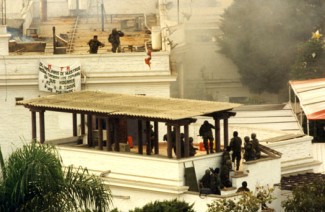
In this analysis piece, ICTJ's Cristián Correa expresses concern about a decision by the Inter-American Court of Human Rights leaving room for interpretations that condone the use of methods for combating subversion and terrorism forbidden by international human rights law.

In this op-ed, ICTJ's President David Tolbert expresses concern about the new "Reconciliation Bill" proposed by the Tunisian government, which would grant amnesty to corrupt business people and Ben Ali-era officials in the guise of "reconciliation." "Massive corruption and violent human rights violations are mutually reinforcing, and unless this linkage is exposed and broken, it can lead to mutually reinforcing impunity," writes Tolbert.

ICTJ talked to Kenyan youth leader Carine Umutoniwase to know how learning from a violent past inspires youth in countries recovering from conflict and repression to avoid past mistakes and to come up with solutions that contribute towards a more just and accountable society.

On International Youth Day, ICTJ reaffirms the importance of engaging youth in efforts to reckon with the past in societies grappling with repressive and violent histories.

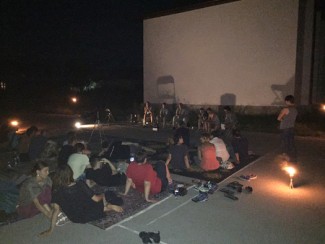
For the last three years, a group of young activists gather on the night of the 5th of August at the site of Trnopolje camp, out in the open, to reenact the way prisoners spent their night and through dialogue explore alternative ways of dealing with the past.