420 results

Based on interviews with 1,200 people, this study assesses conflict victims' experience with the government's Interim Relief Program since its inception in 2008. The findings are intended to inform a future reparations policy that would seek to help those whose human rights were viola...

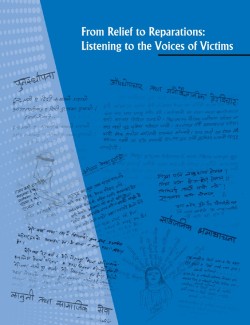
Five years since the end of Nepal's brutal civil war, victims are losing patience waiting for truth, justice, and reparation. Last year ICTJ completed a six month research project to analyze the effects of the the government's Interim Relief Program and determine the steps still required for Nepal to fulfill its obligation to provide reparations to victims. The findings have been published in a report titled “ From Relief to Reparations: Listening to the Voices of Victims.”

Banjul, June 12, 2019—“Never Again!” sings Awa Bling in her recently released song produced with the support of ICTJ. She is part of a movement of youth and prominent artists who are reclaiming this universal slogan by creating their own songs about transitional justice and bringing their voices to some of the most forgotten regions of The Gambia. Local and international fans can now access new music videos released on social media by five talented Gambian hip hop artists.

Banjul, The Gambia, December 11, 2019—Women from three rural areas of the Gambia will submit a report to the Truth, Reconciliation and Reparations Commission (TRRC) on December 16 that describes their experiences of sexual and gender-based violence during the dictatorship of former President Jammeh and the impact of the violations on their lives and families. In the report, the women join voices to offer recommendations to the TRRC and the Gambian government.

From May 25 to June 1, 2025, ICTJ held a series of community dialogues in three rural regions of the Gambia on sexual and gender-based violence, including crimes committed during the Yahya Jammeh dictatorship. The dialogues brought together 122 individuals, including community leaders, victims, and young people, to share their experiences and discuss pathways for justice.

This report assesses the gender sensitivity of the African Union Transitional Justice Policy (AUTJP). Drawing on continental practice and scholarship, it identifies opportunities for AU member states, civil society, and donors to strengthen the policy’s implementation and its responsi...

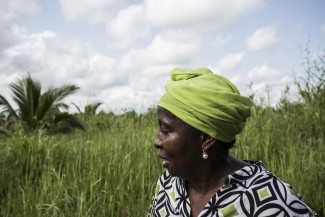
A woman stands in the profile position in a field of green plants on a sunny day with a clear blue sky

Defining court-ordered reparations for victims of sexual violence committed during armed conflict, political violence, or state repression is not an easy task. The challenges only increase when there are few domestic precedents for defining such reparations based on international huma...

For the second consecutive year, ICTJ has been named among the world’s Top 100 NGOs by The Global Journal. ICTJ was also listed among the top three NGOs in the “Law and Justice” sector, acknowledging its unique role in assisting societies to strengthen the rule of law at the national level.

Enforced disappearance and arbitrary detention devastate victims and all those who love them. This guide takes an unsparing look at the harsh realities that Syrian victims of these crimes face and offers guidance on what they and others can do to help. It is the product of the Bridges...

A drawing of a woman holding a young child. In the background are numerous eyes of different colors watching them.

More than six years after the war in Uganda came to a formal end, the country has taken a landmark first step by unanimously adopting a resolution to establish a reparations fund informed by the experiences of both men and women.