8 results

Throughout 2025, ICTJ’s experts offered thoughtful analysis on conflicts and major political developments in more than 10 countries as part of the World Report newsletter. Their insightful commentaries shed light on the obstacles that victims, civil society, and their partners must navigate as they pursue sustainable peace and justice. In this edition, we look back on the past year through the Expert’s Choice column.

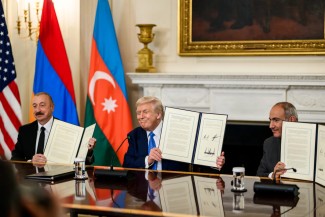
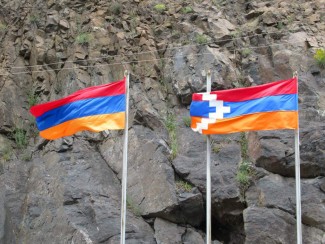
On August 8, Armenia and Azerbaijan signed the Joint Declaration on Future Relations. Hailed by some as a “historic peace deal,” it neither is a treaty nor ends the 37-year Nagorno-Karabakh conflict. Rather, it is a political framework that requires international support and attention.

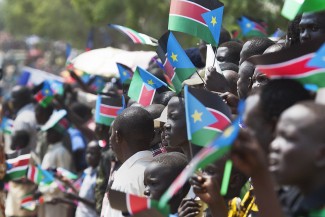
South Sudan’s transition to democratic governance through a highly anticipated, first-ever post-independence general election has to wait once again for another two years. Despite this latest extension, the country has achieved notable milestones in its transitional justice process.

Throughout 2023, ICTJ’s experts have offered their unique perspective on breaking news around the globe as part of the World Report. Their insightful commentaries have brought into focus the impact these events have on victims of human right violations as well as larger struggles for peace and justice. In this edition, we look back on the past year through the Expert’s Choice column.

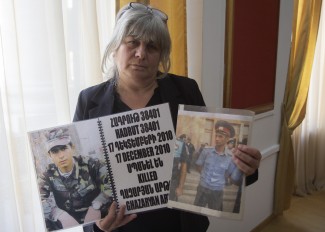
Five years ago, in August 2018, to mark his 100 days in office, Armenian Prime Minister Pashinyan addressed a large rally in Yerevan’s Republic Square to officially announce his government’s intentions to incorporate transitional justice mechanisms into Armenian post-revolution reform agenda. Since then, Armenia has been pursuing a range of transitional justice initiatives alongside other democratic reforms, and it has made some limited headway, despite setbacks and major challenges including renewed conflict with Azerbaijan.

On October 31, Armenian Prime Minister Nikol Pashinyan met with Russian President Vladimir Putin and Azerbaijani President Ilham Aliyev in Sochi to discuss steps to normalize relations between Yerevan and Baku and a longer-term peace deal that would finally end the decades-long, on-and-off conflict over Nagorno-Karabakh. This willingness on both sides to come to the negotiating table is without question welcome news. However, the two parties seem to want to talk about peace on different terms and without addressing core human rights issues in their respective countries in connection with the conflict.

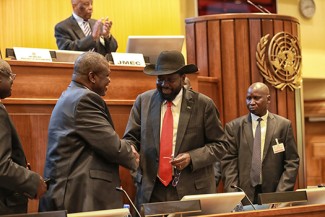
The recent move by the signatories to the Revitalized Agreement on the Resolution of Conflict in South Sudan (R-ARCSS) to extend the peace agreement’s life for another 24 months has not come as a surprise. While there have been some positive, though sporadic steps toward fulfilling the R-ARCSS, its...

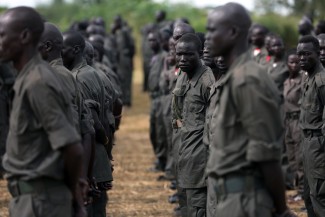
The signing of the Revitalized Agreement on the Resolution of the Conflict in the Republic of South Sudan on September 12, 2018, has been lauded as the best opportunity for peace in the country. However, the continued delays in implementing it, including the establishment of stipulated transitional justice mechanisms, have raised growing concerns within the international community. One essential part of the agreement that has not been executed is the consolidation of the military and the opposition and rebel forces into one army.