


477 results

ICTJ and its partners will hosted a national dialogue in Kampala, Uganda on the aftermath of sexual violence. The aim: to shift stigma from victims to perpetrators and end the culture of silence. Sarah Kihika Kasande, head of ICTJ's Uganda office, explains why such efforts are essential to ending impunity and securing a lasting peace in the country.

The situation in Uganda presented a challenging first case for the International Criminal Court (ICC). The origins of the conflict between the Lord’s Resistance Army (LRA) and the government are complex, and many people in the north resent the government for failing to protect them fr...

After LRA commander Dominic Ongwen was transferred to the ICC to face trial, questions have again been raised about Uganda's ability to prosecute serious crimes. A new publication from ICTJ analyzes the opportunities and challenges for the prosecution of serious crimes in Uganda and concludes with recommendations to enhance accountability in the country.

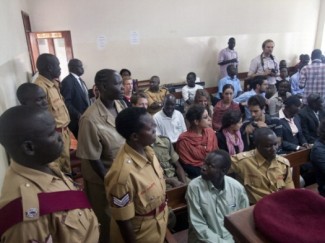
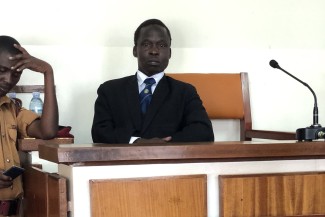
On August 13, 2024, the International Crimes Division of the High Court of Uganda delivered its long-awaited verdict in the case of Uganda versus Thomas Kwoyelo, a former commander and colonel in the rebel group the Lord’s Resistance Army. Mr. Kwoyelo was convicted on 44 counts of crimes against humanity, war crimes, and other serious crimes committed during the decades-long armed conflict in Northern Uganda between the LRA and the Ugandan government. This judgment represents a significant milestone in the pursuit of justice and accountability and a crucial step toward acknowledging the suffering of the victims of these horrific mass atrocities.

The need for a comprehensive reparations process was the central theme of the National War Victims’ Conference held in in May, in Kampala, Uganda.

We sat down with Roger Duthie, ICTJ’s senior research expert, to reflect on the findings from the new report, An Uncertain Homecoming: Views of Syrian Refugees in Jordan on Return, Justice, and Coexistence, and the prospects for Syrian refugees if and when the conflict ends.

Complementarity is an essential tool in the fight against impunity - by working together, national courts and the ICC can seek justice for the worst crimes. But how is the fight against impunity playing out in Côte d’Ivoire? And how exactly can the Ivorian judiciary and the ICC ensure justice in CDI? A new review of our Handbook on Complementarity examines those questions and assesses how the Handbook can be used in his country.

The signing of the Revitalized Agreement on the Resolution of the Conflict in the Republic of South Sudan on September 12, 2018, has been lauded as the best opportunity for peace in the country. However, the continued delays in implementing it, including the establishment of stipulated transitional justice mechanisms, have raised growing concerns within the international community. One essential part of the agreement that has not been executed is the consolidation of the military and the opposition and rebel forces into one army.

The struggle against impunity remains as important –and precarious –as ever as we celebrate International Justice Day on July 17. ICTJ marks the occasion with a look at complementarity, a concept critical to understanding the role that the ICC and national courts play in this struggle.

There is now an opportunity to design and implement a reparations program for victims of human rights and humanitarian law violations in Uganda. As with other countries emerging from conflict, the contours of a Ugandan reparations policy have been the subject of extended debate and ge...