

119 results

Thousands of children were born as a result of sexual violence in northern Uganda during the armed conflict that lasted from 1986 to 2007. Now, as teenagers and young adults who are trying to find their place back in their communities, these young men and women face a multitude of chall...

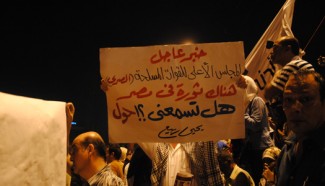
After toppling Hosni Mubarak’s dictatorship in February 2011, Egyptians were eager for a reckoning with past injustices. But after years of political turmoil, the possibility of a genuine transitional justice process in Egypt is uncertain. We turned to three leading Egyptian activists to examine if there really is a chance for justice and reform in Egypt in the near future.

ICTJ's Virginie Ladisch explores the consequences of social stigmatization and other problems facing children born of war in Uganda, Nigeria and beyond in this new op-ed.

A new paper by ICTJ identifies several factors impeding Uganda's efforts to acknowledge violations and hold perpetrators accountable.

The government of Uganda has been slow to address and remedy serious human rights abuses committed against civilians throughout the country, despite its commitment under the Juba peace talks. This paper analyzes some of the underlying factors that seem to impede the implementation of ...

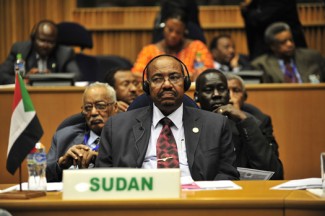
The actions of the South African government, in allowing Bashir to depart, have dealt a grave blow to the rights of victims of atrocities in Darfur and to the prospects of establishing a credible system of international criminal justice through the ICC.

ICTJ condemns in the strongest terms the murder last night of Senior Principal State Attorney Joan Kagezi, in Kiwatule, east of Kampala. As the founding prosecutor of the International Crimes Division of the High Court of Uganda, Kagezi played an instrumental role in introducing best practices to advance the effective investigation and prosecution of international crimes in Uganda.

After LRA commander Dominic Ongwen was transferred to the ICC to face trial, questions have again been raised about Uganda's ability to prosecute serious crimes. A new publication from ICTJ analyzes the opportunities and challenges for the prosecution of serious crimes in Uganda and concludes with recommendations to enhance accountability in the country.

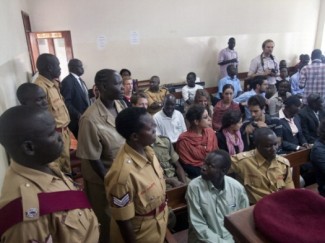
This paper describes proceedings in Uganda’s national courts against Thomas Kwoyelo, a former mid-level commander of the Lord’s Resistance Army, for war crimes and crimes against humanity. It analyzes the opportunities and challenges for the prosecution of serious crimes in Uganda and...

ICTJ Vice President Paul Seils writes that the ICC cannot endorse impunity measures any more than others committed to the defense of human rights and the struggle for peace and justice.