108 results

NAIROBI/NEW YORK, March 10, 2011—As a signatory to the Rome Statute, Kenya should continue to meet all of its obligations to cooperate with the International Criminal Court (ICC), the International Center for Transitional Justice (ICTJ) said after the ICC issued summonses for the appearance of six...

The police response to the peaceful anti-government protests in Kenya over the past year has been deadly and brutal. Their actions have rocked the country and reaffirmed the 2013 findings of the Kenyan Truth, Justice and Reconciliation Commission (KTJRC) that state security agencies, particularly the police, have historically used excessive and disproportionate force and “been the main perpetrators of bodily integrity violations of human rights in Kenya including massacres, enforced disappearances, torture and ill-treatment, and sexual violence.”

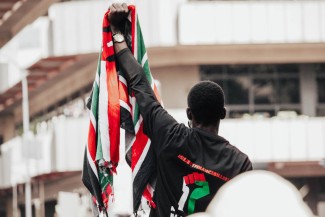
After years of waiting for the government to take action by implementing the recommendations of Kenya’s Truth, Justice, and Reconciliation Commission, victims of past human rights violations and mass violence are demanding that something be done.

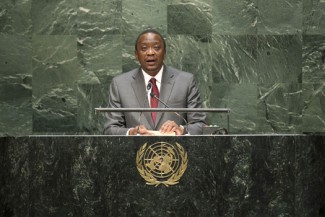
In this op/ed, the head of ICTJ's Kenya Program, Christopher Gitari, argues that President Kenyatta's recent apology to victims—though commendable—must be supported by solid reforms and initiatives for rebuilding the lives of those who have suffered the most.

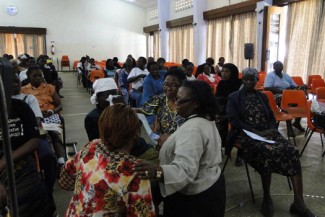
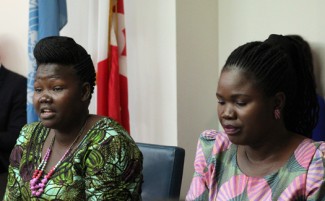
Workshop gathers survivors of gender-based wartime violence to share experiences with policymakers and practitioners.

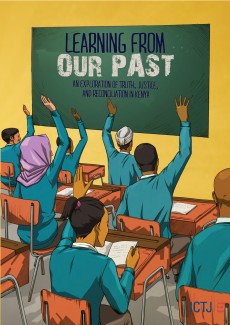
This educational tool for educators and mentors is designed to help teach young people in Kenya about difficult periods in Kenyan history and foster discussion on issues of justice, democracy, leadership, and their role as Kenyan citizens.

This paper analyzes the contents of the Final Report that the Kenyan Truth, Justice and Reconciliation Commission (TJRC) presented to President Uhuru Kenyatta on May 21, 2013, after four years of investigations. In particular, it evaluates the report’s information and findings, the lo...

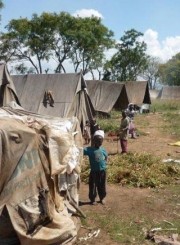
As Kenya continues to address its 2007-08 postelection violence, greater emphasis should be placed on victims’ reparative justice demands, according to a new ICTJ report. The report, “To Live as Other Kenyans Do”: A Study of the Reparative Demands of Kenyan Victims of Human Rights Violations, is a...

This paper documents the opinions of victims of human rights violations in Kenya about the country’s unfolding transitional justice process. The first section gives background into the human rights violations; the second section presents victims ideas about reparative justice. The rep...

In transitional contexts, reporting does not simply present the facts, but instead shapes the parameters for interpreting divisive political issues. Coverage in such polarized contexts can mitigate or obscure the substance of transitional justice efforts to establish what happened, wh...