

522 results

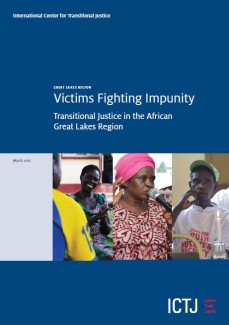
As Burundi and South Sudan teeter on the verge of renewed conflict, with warnings of possible genocides, a new report from ICTJ on the African Great Lakes region asserts that there are lessons to be learned from neighboring countries that may be relevant in preventing new conflicts. The report calls for a clear understanding of victims’ needs and demands, a thorough political analysis and identifying realistic opportunities for acknowledgment and accountability, among other measures.

In many countries of the African Great Lakes region, state-led approaches to transitional justice have been created by wide-ranging agreements or policies that have been later forgotten or only partially implemented. Even when implemented, they are often subject to years of delay and/...

The taboo around sexual violence against men and boys can leave victims in the shadows, write ICTJ's Kelli Muddell and Sibley Hawkins. Without acknowledgment of these crimes, efforts to address injustices of the past will be hard-pressed to develop inclusive and effective responses.

The right to the truth carries special resonance in Kenya, and so on March 24th Kenyan state agencies, survivors, civil society organizations, and international partners will join together in Nairobi to observe the International Day for the Right to the Truth. It provides an opportunity not just for remembrance, but also for greater dialogue between the government and victims about the implementation of reparations programs and of the findings presented in the Truth, Justice and Reconciliation Commission's final report.

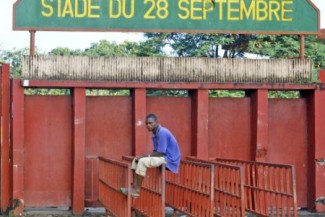
To mark 15 years of ICTJ, we asked staff past and present for memories that stand out to them - moments that throw the stakes of our work into sharp relief and resonate with them years later. Olivier Kambala wa Kambala, an ICTJ Program Associate from 2005 to 2010, talks about the thirst for justice he saw on a visit to Guinea, and how the political situation rendered quenching it impossible.

South Africa Parliament faces a historic moment. In this op-ed, ICTJ's Vice President Paul Seils remembers the great hope that marked the ICC’s emergence: "No country embodied that hope and that reality more powerfully and more inspiringly than South Africa."

To mark 15 years of ICTJ, we asked staff past and present for memories that stand out to them - moments that throw the stakes of our work into sharp relief and resonate with them years later. Reshma Thapa, former ICTJ senior program associate in Nepal (2009- 2013), looks back on one particularly poignant dance shared among women in a small village.

For years the Lord’s Resistance Army (LRA) captured thousands of young girls in northern Uganda, forcing them to be not only soldiers, but wives and mothers too. When these women finally escaped their captors, children in tow, they hoped to be welcomed back into their com...

The Africa Union's resolution to collectively support a strategy to withdraw from the ICC looks more like a machination of those who have instrumentalized an argument against the court to protect themselves from the long arm of justice, write ICTJ's top experts on Africa.

A panel of policy and media experts discusses women's experience in war and the responsibility of media covering their stories at the New York City premiere of a new documentary.