

569 results

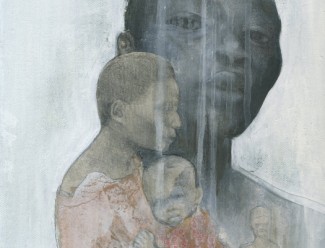
Thousands of children were born as a result of sexual violence in northern Uganda during the armed conflict that lasted from 1986 to 2007. Now, as teenagers and young adults who are trying to find their place back in their communities, these young men and women face a multitude of chall...

ICTJ deplores the resolution of the African National Congress, at its National General Council meeting on Sunday, to withdraw South Africa from the International Criminal Court and lead an Africa-wide walkout from the court.

In cooperation with the High Judicial Council, ICTJ held a seminar today with senior representatives of the Congolese military and civilian judiciary and prosecutor’s office to discuss the dual jurisdiction of military and civilian courts over international crimes in the DRC.

In this analysis piece, ICTJ's Cristián Correa expresses concern about a decision by the Inter-American Court of Human Rights leaving room for interpretations that condone the use of methods for combating subversion and terrorism forbidden by international human rights law.

Some of the relatives’ stories start with the banging of a door at night, followed by a sudden abduction; others begin with a seemingly innocent citation to appear at a police station for a “routine procedure”. In any case, the stories always unfold in a desolate manner: as a loved one ...

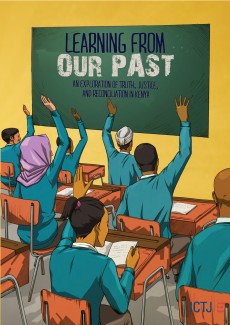
ICTJ talked to Kenyan youth leader Carine Umutoniwase to know how learning from a violent past inspires youth in countries recovering from conflict and repression to avoid past mistakes and to come up with solutions that contribute towards a more just and accountable society.

On International Youth Day, ICTJ reaffirms the importance of engaging youth in efforts to reckon with the past in societies grappling with repressive and violent histories.

For the last three years, a group of young activists gather on the night of the 5th of August at the site of Trnopolje camp, out in the open, to reenact the way prisoners spent their night and through dialogue explore alternative ways of dealing with the past.

In this op-ed, ICTJ's President David Tolbert urges President Uhuru Kenyatta and Kenyan institutions to take concrete actions without further delay to provide reparations for victims, tackle the struggling police vetting reform, and prosecute the serious crimes that were committed during the post-election violence.

On International Justice Day, the head of ICTJ's Criminal Justice program in the Democratic Republic of the Congo (DRC), Myriam Raymond-Jetté, reflects on how to build on small successes in prosecuting international crimes in the national courts.