


518 results

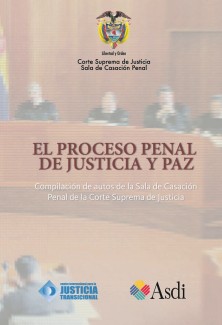
The International Center for Transitional Justice publishes a selection of excerpts from the Supreme Court's rulings and judgments regarding the Justice and Peace process.

Thousands of victims of Peru’s internal conflict are still awaiting compensation and benefits as part of a 2005 national reparations plan, says a report released today by ICTJ. “Reparations in Peru: From Recommendations to Implementation,” looks at the government of Peru’s mixed record of providing compensation to individuals and communities that suffered some of the most serious crimes during the conflict.

This report evaluates the government of Peru’s partial results in providing compensation to victims of the internal armed conflict that devastated the country from 1980 to 2000. It provides a detailed analysis of the process of implementing the Comprehensive Reparations Plan, establis...

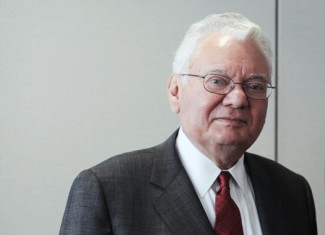
Thomas Buergenthal, Holocaust survivor and former judge of the International Court of Justice, is one of the world's most distinguished jurists. In conversation with ICTJ President David Tolbert, Judge Buergenthal shares his own personal story of surviving the Holocaust as a young boy, and reflects on the changing landscape of transitional justice around the world

Media play an essential role in peace negotiations and post-conflict situations. In the highly polarized and politicized context of Colombia, the Gabriel García Márquez Foundation for New Ibero-American Journalism (FNPI) chose May 3, Worldwide Freedom of Expression Day, to bring together directors and editors of Colombia’s main news media to reflect on their role at a historic moment for the country: the government’s peace talks with the FARC, which represent a possible end to five decades of armed conflict.

Reparations seek to recognize and address the harms suffered by victims of systematic human rights violations. ICTJ’s Reparative Justice program provides knowledge and comparative experience on reparations to victims' groups, civil society and policymakers worldwide. In this edition of the ICTJ Program Report, we look at ICTJ's work on reparations in dynamic transitional contexts such as Nepal, Colombia, Peru, DRC, and Uganda.

The International Center for Transitional Justice (ICTJ) welcomes today’s verdict in Guatemala by the High Risk Court in the trial of former military dictator José Efrain Ríos Montt. The 86-year-old ex-general was convicted of genocide and crimes against humanity against the indigenous Mayan Ixil population during Guatemala’s Civil War. He was sentenced to a total of 80 years in prison. José Mauricio Rodríguez Sánchez, the co-accused, who headed military intelligence under Ríos Montt, was found innocent.

Nine international human rights and legal groups have welcomed the resumption of the Guatemalan trial of Efraín Ríos Montt, the former military dictator, for genocide and crimes against humanity. The trial has taken another step towards its conclusion with the hearing of final arguments from the prosecution and victims’ representatives today and yesterday.

In this new opinion piece, ICTJ President David Tolbert says the United States has publicly lauded the rule of law as it applies to other countries and offered significant financial and political support to torture victims of foreign regimes; yet it has failed to acknowledge or address its obligation to victims of its own detention policies. To regain its credibility in the eyes of the world, the US government must take steps to acknowledge and address past violations and provide redress to victims of US-sanctioned abuses.

In an unprecedented act of unity, youth activists from across Bosnia and Herzegovina united to visit sites of former detention camps and pay respect to victims from all ethnic groups and sides of the conflict. Some 50 activists of the initiative “Because It Matters” from Prijedor, Banja Luka, Mostar, Tuzla, Sarajevo, Ljubuski, Gradiska, Konjic and other cities visited locations in Hadzici, Celebici, Jablanica, and Dretelj, where crimes were committed against civilians of Bosniak, Serb, and Croat ethnicities.