

532 results

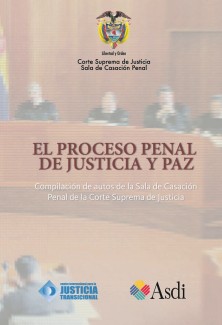
The International Center for Transitional Justice publishes a selection of excerpts from the Supreme Court's rulings and judgments regarding the Justice and Peace process.

As Tunisia concludes its final deliberations on the new constitution, transitional justice issues such as reparations for victims, truth about the past and the rights of women have been central to the legislative debates. Over the past month, ICTJ’s leading experts have been engaged with stakeholders on the ground on a variety of issues under deliberation, including truth-seeking, reparations, gender justice, and the role of children and youth.

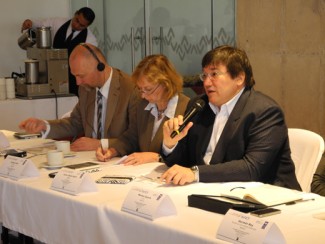
Media play an essential role in peace negotiations and post-conflict situations. In the highly polarized and politicized context of Colombia, the Gabriel García Márquez Foundation for New Ibero-American Journalism (FNPI) chose May 3, Worldwide Freedom of Expression Day, to bring together directors and editors of Colombia’s main news media to reflect on their role at a historic moment for the country: the government’s peace talks with the FARC, which represent a possible end to five decades of armed conflict.

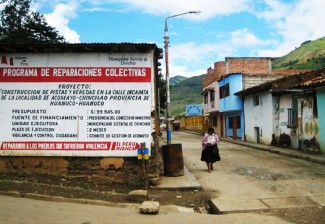
Reparations seek to recognize and address the harms suffered by victims of systematic human rights violations. ICTJ’s Reparative Justice program provides knowledge and comparative experience on reparations to victims' groups, civil society and policymakers worldwide. In this edition of the ICTJ Program Report, we look at ICTJ's work on reparations in dynamic transitional contexts such as Nepal, Colombia, Peru, DRC, and Uganda.

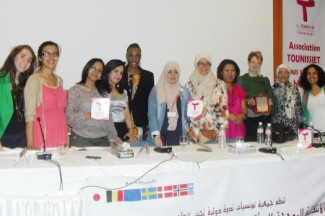
An ICTJ immersion course brought together women from Egypt, Yemen, Syria, and Libya to closely observe Tunisia’s emerging experience in transitional justice, including the ways in which issues of gender-based violence and the experiences of women are being addressed.

With the aim of reinforcing the legitimacy of the peace process, which could lead to a historic compromise that would deeply influence the future of the country, thousands of Colombians are marching today to express their support for the discussions, for peace, and for democracy. Their motto is: “We are the majority: Now is the time for peace!”

As the peace talks progress between the Colombian government and FARC representatives in Havana, many Colombians are increasingly hopeful that the country will be able to put an end to more than 50 years of armed conflict. Despite broad support by many different sectors of society, the ...

Despite the overwhelming percentage of Lebanese who were affected by recent wars and political unrest, discussion of Lebanon’s past is largely absent from public spheres. A new documentary follows youth in Lebanon as they set out to find the truth.

This opinion piece by Eduardo González, director of the Truth and Memory program at ICTJ, asks: can you build a solid, legitimate democracy on the sands of silence, or does truth provide a more trustful foundation?

In our work providing assistance to societies around the world, we draw continual inspiration from individuals and communities who refuse to ignore the abuses of the past, and who often face great obstacles to expose it. To honor their courage, we invite you to read a selection of perspectives on truth and dignity from those who have used their words to convey a powerful idea: truth is the foundation of justice.