

421 results

Enforced disappearances are among the cruelest of crimes. To the kidnapping, torture, and in many cases, murder of the victim, perpetrators intentionally create fear and uncertainty about the fate of the missing person. Although men are predominantly targeted, the impact on women is severe and lasting.

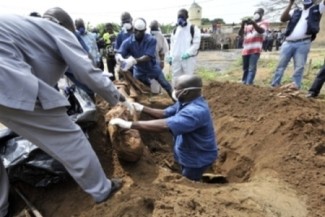
In the brutality of armed conflict or tyranny of a repressive regime, many who go missing are never found again: whether “disappeared” by agents of the state or abducted by an armed faction, the whereabouts of thousands are still unknown to this day. On this International Day of the Disappeared, ICTJ recognizes that enforced disappearances constitute crimes against humanity, and they affect women in ways unique from the impact on men.

About the Project There are few crimes with such devastating and far-reaching impacts as enforced disappearance. Innocents taken from their homes vanish to secret locations known only to the perpetrators. Imprisoned, tortured, and often killed for dubious reasons, their disappearance l...

Children and youth are especially vulnerable to the effects of conflict and gross human rights violations. In this edition of the ICTJ Program Report, ICTJ's Children and Youth Program Director Virginie Ladisch talks with us about the importance of integrating child and youth sensitivity into transitional justice mechanisms.

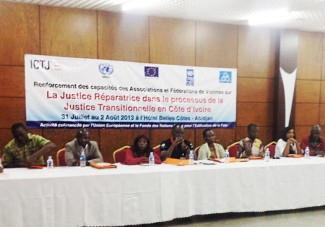
In Cote d’Ivoire, victims of the 2010-11 post-election violence have yet to receive reparations for violations that occurred during the political upheaval following the election of President Ouattara. Victims’ organizations in Cote d’Ivoire joined ICTJ and the ONUCI Human Rights Section for a three-day training session in Abidjan on reparative justice and the right to reparation.

ICTJ is launching a new multimedia page featuring projects that highlight the human perspective of issues in transitional justice and seek to engage a wide variety of audiences in a discussion on accountability for massive human rights abuses. Here's why we think multimedia can play a key role in deepening public understanding of transitional justice, and convey the guiding principles of ICTJ.

As Tunisia concludes its final deliberations on the new constitution, transitional justice issues such as reparations for victims, truth about the past and the rights of women have been central to the legislative debates. Over the past month, ICTJ’s leading experts have been engaged with stakeholders on the ground on a variety of issues under deliberation, including truth-seeking, reparations, gender justice, and the role of children and youth.

Cote d’Ivoire has embarked on a process of addressing the legacy of internal strife that culminated in the post-election violence of 2010. On June 12, 2013, ICTJ will co-host high-level talks on strengthening Cote d’Ivoire’s judicial capacity to prosecute serious crimes proscribed by the Rome Statute of the International Criminal Court (ICC).

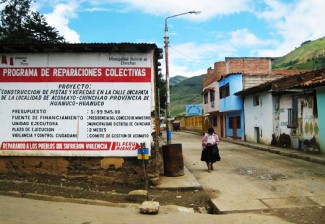
Reparations seek to recognize and address the harms suffered by victims of systematic human rights violations. ICTJ’s Reparative Justice program provides knowledge and comparative experience on reparations to victims' groups, civil society and policymakers worldwide. In this edition of the ICTJ Program Report, we look at ICTJ's work on reparations in dynamic transitional contexts such as Nepal, Colombia, Peru, DRC, and Uganda.

An ICTJ immersion course brought together women from Egypt, Yemen, Syria, and Libya to closely observe Tunisia’s emerging experience in transitional justice, including the ways in which issues of gender-based violence and the experiences of women are being addressed.