

463 results

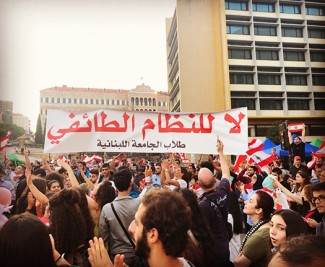
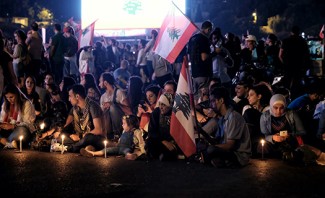
For over a month now, Lebanese people have been in the streets peacefully calling for an end to corruption, economic disenfranchisement, and government mismanagement, calling instead for accountability and reform of the systems that have allowed these things to occur. The protests are historic for several reasons: their scope and magnitude, as well as the way they have unified a country that has for so long had division baked into nearly every aspect of life, down to its system of governance.

Between April 15 and May 3, 2019, ICTJ held a number of consultations with Kenyan youth from several informal settlements in Nairobi and Mombasa to reflect on their understanding of security sector reforms and their connection to the ongoing national dialogue process, particularly as ...

In its report, the Kenya Truth, Justice and Reconciliation Commission concluded that “corruption is endemic in Kenya” and that “there is a direct link between corruption and gross violation of human rights.” This paper considers the extent of impunity for corruption in Kenya, how corr...

Recently, Tunisia held its third parliamentary elections since the revolution and the second presidential elections since late President Béji Caid Essebssi passed away on July 25, 2019. It remains to be seen if the election’s results will usher in a new era of dignity, for which Tunisians took the streets in 2010 and 2011.

Given the political challenges emerging from authoritarian states and conflicts in Africa, what is the best way to pursue accountability for violations of international human rights and humanitarian law on the continent? ICTJ experts Chris Gitari and Howard Varney sit down to discuss regional initiatives, complementarity, and other strategies for pursuing accountability.

The Syrian Constitutional Committee has finally been agreed upon. The 150-member committee — made up of representatives of the Syrian regime, the opposition, and civil society members — is tasked with writing a new constitution for Syria. In an ideal world, this new constitution could be the first step to bringing an end to the deadly conflict that has left the country, and the lives of countless Syrian people, in ruins.

Years after conflict, dictatorship, or historical injustice, victims throughout the world are still seeking redress and for their dignity to be affirmed. ICTJ has been standing alongside victims since 2001. We have worked in more than 50 different countries, helping to advance transitio...

BEIRUT, September 16, 2019—Nine months after the passage of Law 105 on Missing and Forcibly Disappeared Persons in Lebanon, the Lebanese Ministry of Justice nominated 10 individuals, including four women, to serve on the National Commission for the Missing and Forcibly Disappeared. The names have...

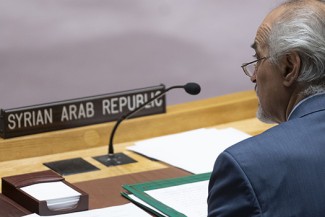
“Vetoes and excuses get in the way of what is right and just.” With those words, Amina Khoulani, Cofounder of Families for Freedom, spelled out the failings of the United Nations Security Council, as she described in lurid detail the harsh realities facing families of the disappeared in Syria. Actors with the power to stop the killing of detainees and to free those still imprisoned are forsaking their responsibilities.

The trend of missing and disappeared persons due to conflict remains more prevalent than ever today. Many governments around the world have remained undeterred in their abuse of power to invade a home or community and remove persons deemed to be a threat. This intractable problem has received global attention largely due to the efforts of family members who often risk their lives in pursuit of the right to know and ‍‍to bury their loved ones.