

1519 results

The UN Human Rights Council and its mechanisms, notably the system of special procedures, have approached justice for mass atrocities in a piecemeal and sometimes politicized manner, according to a new ICTJ policy briefing.

The signing of the Revitalized Agreement on the Resolution of the Conflict in the Republic of South Sudan on September 12, 2018, has been lauded as the best opportunity for peace in the country. However, the continued delays in implementing it, including the establishment of stipulated transitional justice mechanisms, have raised growing concerns within the international community. One essential part of the agreement that has not been executed is the consolidation of the military and the opposition and rebel forces into one army.

In this new opinion piece, ICTJ President David Tolbert says the United States has publicly lauded the rule of law as it applies to other countries and offered significant financial and political support to torture victims of foreign regimes; yet it has failed to acknowledge or address its obligation to victims of its own detention policies. To regain its credibility in the eyes of the world, the US government must take steps to acknowledge and address past violations and provide redress to victims of US-sanctioned abuses.

In dealing with counterterrorism detainees after 2001, the United States breached its obligations under the UN Convention Against Torture (CAT) and other sources of international human rights and humanitarian law. Although the current administration has turned away from some former p...

In the absence of governmental action or as preparation for it, some local communities or civil society groups sometime seek to recognize and investigate the legacy of past human rights abuses. Such actions can help lead to more formal transitional justice approaches, including truth ...

Unofficial Translation of Iraq’s Accountability and Justice Law.

The struggle against impunity remains as important –and precarious –as ever as we celebrate International Justice Day on July 17. ICTJ marks the occasion with a look at complementarity, a concept critical to understanding the role that the ICC and national courts play in this struggle.

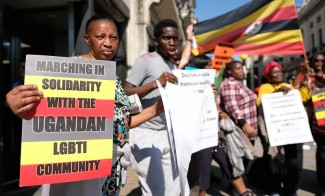
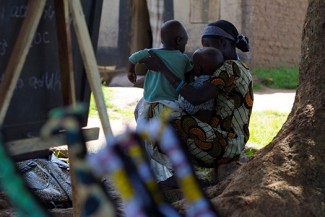
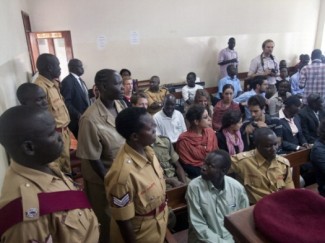
There is now an opportunity to design and implement a reparations program for victims of human rights and humanitarian law violations in Uganda. As with other countries emerging from conflict, the contours of a Ugandan reparations policy have been the subject of extended debate and ge...

In 2026, ICTJ will mark its 25th anniversary. As an organization, we approach this milestone with genuine pride and determination, but also with grave concerns about the world in which we find ourselves in this moment.

Recent Israeli strikes in Beirut and other populated areas in Lebanon, among the conflict's most intense so far, have destroyed critical infrastructure and devastated civilian communities. ICTJ stands unequivocally with the Lebanese people and all victims across the region and calls for an immediate end to all attacks on and threats to civilian communities and infrastructure.