1533 results

Two women abducted by the Lord´s Resistance Army (LRA) return home with their children born of war and fight to be included in a society that deems them criminals.

I Am Not Who They Think I Am, a new film by ICTJ and MediaStorm, exposes the stigma facing children born of conflict and their mothers and advocates for their right to reparations and redress from the state.

Thousands of children were born as a result of sexual violence in northern Uganda during the armed conflict that lasted from 1986 to 2007. Now, as teenagers and young adults who are trying to find their place back in their communities, these young men and women face a multitude of chall...

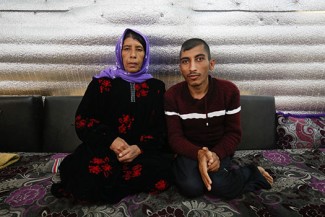
Even in the face of ongoing brutality, many of the nearly 12 million Syrians displaced by the conflict long for their return home – dependent, of course, on certain conditions being met. For our latest report, ICTJ interviewed dozens of Syrians refugees in Lebanon to discuss the impact of the conflict on their lives, their expectations for a potential return home, and their view of what coexistence in Syria might look like. We sat down with the report's authors, Rim El-Gantri and Karim El Mufti, to discuss their findings.

Discussions about a future return of refugees and coexistence among groups currently at war in Syria must begin now, even in the face of ongoing violence and displacement. This report, based on interviews with refugees, makes it clear that the restoration of dignity will be important ...

While Armenia may rightfully seek acknowledgment from its neighbors of the genocide and other egregious violations, for its part, it must have the courage to reckon with its own recent past in the 30 years since achieving statehood, which includes war crimes, systematic corruption, and large-scale human rights abuses against its own citizens. Failing to do so ultimately threatens the young republic’s democracy.

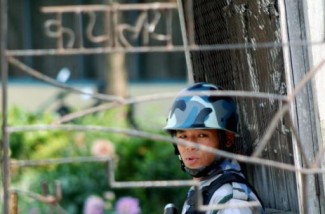
This report aims to help local governments, victims’ groups, and other stakeholders in Nepal to understand the scope of and potential inherent in local governmental powers and to identify what local governments can do to design and implement initiatives that support victims ...

A new ICTJ report on truth and memory in Nepal sparked discussion – and calls for victim-centered policies – at national and local launch events.

Nepal’s armed conflict ended six years ago, but commitments made to pursue accountability and establish oversight over security forces have yet to be implemented. ICTJ’s briefing paper “Building Trust and Strengthening the Rule of Law” examines how an ad hoc vetting mechanism for officers in senior command positions could help consolidate democracy in Nepal. Author Alexander Mayer-Rieckh says that as Nepal abandons its commitments to pursue accountability for serious crimes, it undermines the ability of its security forces to maintain the rule of law and protect a new era of peace.

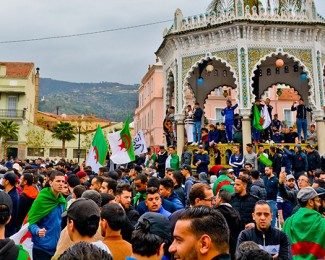
Throughout the week of April 23, I have been attentively following the news to know what would be the impact of this Friday’s hirak (Arabic for protests or mass rallies) in Algeria. The tenth consecutive Friday of protests that began on February 22 is a reaction to the announcement made by an invalid president, Abdelaziz Bouteflika, from a hospital in Geneva, of his intention to continue holding his position for a fifth term.