



605 results

On November 20 — on the 80th anniversary of the opening of the main Nuremberg trial, which prosecuted Nazi leadership for aggression and mass atrocities of World War II — details of the allegedly proposed new “peace” plan for Ukraine emerged. The initiative has surfaced one of the Kremlin’s recurrent demands: full amnesty for wartime atrocities — the very acts Nuremberg sought to punish and prevent.

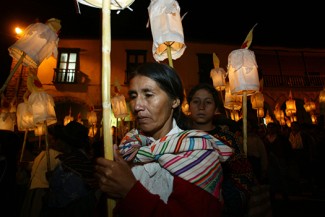
Indigenous peoples are still some of the most marginalized and vulnerable communities around the world. In a conflict, they are often some of the most affected as their resource-rich territories are coveted by powerful and violent groups, their identity and loyalty perceived with mistrust, and their...

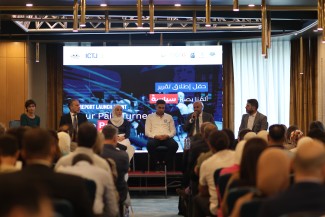
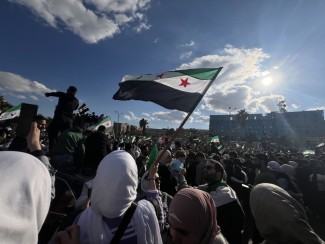
ICTJ and its partners in the Bridges of Truth project presented in Damascus the findings from their recent report on the first community dialogues held in Syria since the fall of the al-Assad regime in December 2024. On October 7, victims and family members, civil society actors, representatives from the country’s nascent transitional justice commissions, government officials, and international partners gathered to reflect on the lessons learned from the dialogues and the path forward for truth, justice, and accountability in Syria.

Six years into the carnage in Syria, atrocious crimes run rampant, with savage abuses committed against all groups in the devastated country, and the murderous regime, abetted by powerful allies, is still in power. The UN Security Council remains deadlocked and unable to take any steps towards...

The fall of the Assad regime marks the beginning of a long-overdue transformation in Syria. For the first time in decades, space has opened to speak freely about justice, accountability, and reconciliation. It is a moment filled with uncertainty and pain, but also one of immense hope.

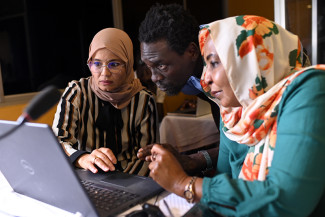
ICTJ recently convened human rights defenders, journalists, and lawyers from Libya, Sudan, Syria, Tunisia, and Yemen for a workshop on digital, open-source investigations. Held on November 3-8 in Kampala, Uganda, the course trained participants on open-source tools with a view to strengthening their work investigating, documenting, and monitoring human rights violations.

After three years on trial and a total of seven in detention, Thomas Lubanga gained the dubious notoriety of becoming the first person to be convicted by the International Criminal Court (ICC) in The Hague. It would be encouraging if the court, including the prosecution, indicated it saw Lubanga’s judgment as an opportunity to learn critical lessons as well as celebrate a historic day in international justice.

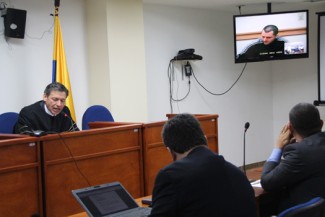
During a forum held in Bogotá, Colombia, on November 1, 2018, ICTJ launched the Spanish-language version of its Handbook on Complementarity: An Introduction to the Role of National Courts and the ICC in Prosecuting International Crimes. The Deputy Prosecutor of the International Criminal Court (ICC), James Kirkpatrick Stewart, gave the keynote address.

Ugandan victims of the LRA have waited over a decade to see the group’s leadership held accountable for crimes committed during the armed conflict with Uganda’s government. They saw it happen last week, when former LRA commander Dominic Ongwen appeared in court for an important hearing at the International Criminal Court.

ICTJ Vice President Paul Seils writes that the ICC cannot endorse impunity measures any more than others committed to the defense of human rights and the struggle for peace and justice.