60 results

Throughout 2025, ICTJ’s experts offered thoughtful analysis on conflicts and major political developments in more than 10 countries as part of the World Report newsletter. Their insightful commentaries shed light on the obstacles that victims, civil society, and their partners must navigate as they pursue sustainable peace and justice. In this edition, we look back on the past year through the Expert’s Choice column.

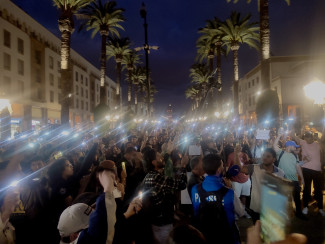
The death of eight women in childbirth at a hospital in Agadir this past August sent shockwaves through Morocco. The news crystallized national anger over deteriorating public services as well as persistent high unemployment and corruption. Years of frustration erupted into the streets as thousands of mostly young Moroccans gathered in cities and towns across the nation to protest and to demand accountability and institutional reform.

This report assesses the gender sensitivity of the African Union Transitional Justice Policy (AUTJP). Drawing on continental practice and scholarship, it identifies opportunities for AU member states, civil society, and donors to strengthen the policy’s implementation and its responsi...

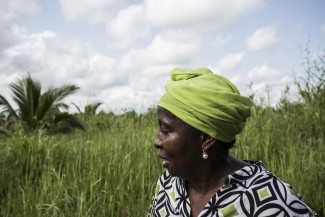
A woman stands in the profile position in a field of green plants on a sunny day with a clear blue sky

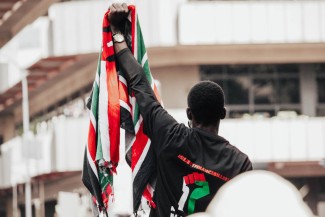
The police response to the peaceful anti-government protests in Kenya over the past year has been deadly and brutal. Their actions have rocked the country and reaffirmed the 2013 findings of the Kenyan Truth, Justice and Reconciliation Commission (KTJRC) that state security agencies, particularly the police, have historically used excessive and disproportionate force and “been the main perpetrators of bodily integrity violations of human rights in Kenya including massacres, enforced disappearances, torture and ill-treatment, and sexual violence.”

The field of transitional justice is increasingly recognizing the relevance of mental health and psychosocial support (MHPSS) in contexts of massive human rights violations. Despite growing advocacy and awareness at the global policy level, however, the field lacks a systematic approa...

an image of colorful painting featuring a young girl

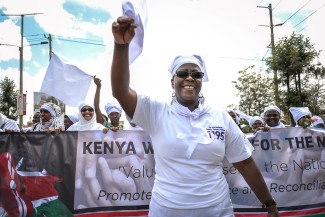
Thousands took to the streets across Kenya on January 27 following the gruesome slaying of more than a dozen women to denounce violence against women and demand action to end it. Protesters later gathered in Nairobi on February 14 for a Valentine’s Day vigil for the more than 30 women murdered in the country so far this year and to pressure the government to declare femicide and violence against women a national emergency and to establish a commission to address these crimes and thereby break the cycle of impunity. These efforts are laudable, if not inspiring. However, physical and sexual violence against women and femicide—at times perpetrated by law enforcement officers who are meant to protect them, as enshrined in Kenya’s 2010 Constitution—has persisted in Kenya for decades.

On November 28, 2023, ICTJ organized an international dialogue in Bogotá, Colombia, to share innovative strategies for advancing victims’ rights to redress for human rights abuses and for establishing more victim-centered development policies. The gathering also marked the official launch of ICTJ’s new report—Advancing Victims’ Rights and Rebuilding Just Communities Local Strategies for Achieving Reparation as a Part of Sustainable Development—which presents findings from a two-year comparative study of local efforts in Colombia, The Gambia, Tunisia, and Uganda to advance reparations.

Throughout 2023, ICTJ’s experts have offered their unique perspective on breaking news around the globe as part of the World Report. Their insightful commentaries have brought into focus the impact these events have on victims of human right violations as well as larger struggles for peace and justice. In this edition, we look back on the past year through the Expert’s Choice column.

This comparative study examines strategies used by local actors to help operationalize reparations for victims of widespread human rights violations, while highlighting the synergies between these efforts and sustainable development. It is based on the fieldwork of ICTJ and its partne...

A women in colorful African dress holds a megaphone to her mouth

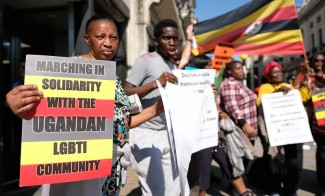
On March 21, the Ugandan Parliament passed the Anti-Homosexuality Bill, adopting the harshest anti-LGBTQ+ law in the world. Under it, homosexuality is punishable by life imprisonment, while "aggravated homosexuality" is punishable by death. The bill not only threatens the rights of LGBTQ+ persons, it undermines and erodes Uganda’s commitment to human rights.