




41 results

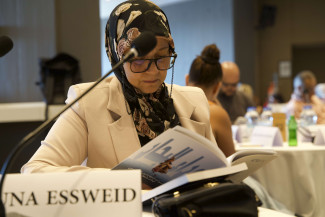
ICTJ and its partners in the Bridges of Truth project hosted an event in Damascus on October 7 to present findings from their recent report on the community dialogues held in April in Syria and to commemorate the project’s eighth anniversary.

ICTJ is pleased to announce the addition of three new members to its Board of Directors: Ms. Nina Lahoud, Ms. Rajakumari Jandhyala, and Mr. Max Gleischman. “These three individuals bring a wealth of expertise in law, economics, diplomacy, and strategic communication to ICTJ. Their diverse perspectives and proven leadership will help steer ICTJ as it continues to support victims, strengthen institutions, and foster inclusive societies in the aftermath of conflict and repression,” said Chairperson Robert Cusumano.

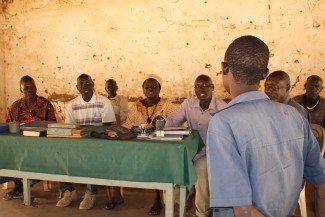
In countries where state institutions have limited reach, customary and informal justice is often the most common way in which people resolve disputes and seek justice. Given its prominence, it is considered to be an important element of a people-centered approach to building peaceful, just, and inclusive societies. An understanding of the relationship between customary justice and transitional justice, however, remains underdeveloped. A new ICTJ report provides valuable empirical, qualitative research on the topic, in the context of South Sudan.

The field of transitional justice increasingly recognizes the relevance of mental health and psychosocial support in contexts of massive human rights violations. Despite growing advocacy and awareness at the global policy level, however, the field lacks a systematic approach to the issue. Now, a new ICTJ report contributes to such an approach.

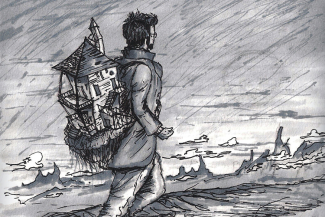
ICTJ is pleased to announce the winners of its “Overseas” writing contest. In it, young people originally from or currently residing in Lebanon, Libya, or Tunisia who have left their home countries for political or socioeconomic reasons were asked to share their personal experiences of migration in the form of a short, written testimony.

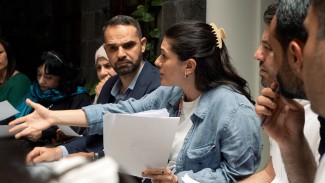
On November 28, ICTJ hosted an international conference to explore the synergies between reparations and sustainable development in Bogotá, Colombia. The event, titled “Advancing Victims’ Rights and Rebuilding Just Communities: An International Dialogue on Reparations and Sustainable Development,” brought together ICTJ partners from The Gambia, Tunisia, and Uganda along with civil society and government representatives from Colombia to discuss local strategies for advancing reparations for human rights abuses and how repairing victims and affected communities can contribute to local and national development. On the occasion, ICTJ also launched a new research report on the topic.

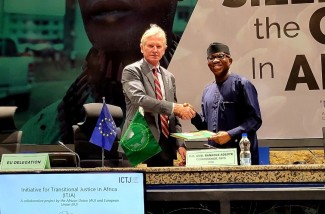
The African Union and the European Union have officially launched a three-year project to support AU member states as they incorporate the African Union Transitional Justice Policy and undertake transitional justice processes at the national level. The project, named the Initiative for Transitional Justice in Africa, will be implemented by a consortium of three organizations led by the International Center for Transitional Justice, the African Transitional Justice Legacy Fund, and the Centre for the Study of Violence and Reconciliation.

ICTJ is pleased to announce the “Overseas: Writing Contest,” an open call for young migrants originally from or currently residing in Lebanon, Libya, or Tunisia to share their personal experiences of migration in the form of a short, written testimony.

In advance of the 2023 SDG Summit, the Working Group on Transitional Justice and SDG16+ has released a new report underscoring the contribution of transitional justice to the advancement of sustainable peace and development and offering stakeholders strategies to better incorporate it into relevant agendas and action plans. The SDG Summit marks the halfway point of the 2030 Agenda for Sustainable Development and offers the global community an opportunity to take stock of the progress it has made and the challenges it still faces in achieving the Sustainable Development Goals.

Kampala, October 17, 2022—Sixteen years after the decades-long conflict between the Ugandan government and the rebel group the Lord’s Resistance Army (LRA) ended, victims continue to grapple with its persistent effects. Victims of conflict-related sexual violence (CRSV) and children born of war, in...