

7 results

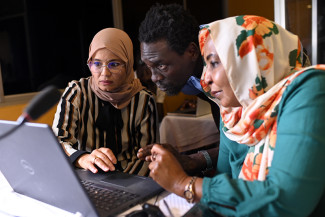
ICTJ recently convened human rights defenders, journalists, and lawyers from Libya, Sudan, Syria, Tunisia, and Yemen for a workshop on digital, open-source investigations. Held on November 3-8 in Kampala, Uganda, the course trained participants on open-source tools with a view to strengthening their work investigating, documenting, and monitoring human rights violations.

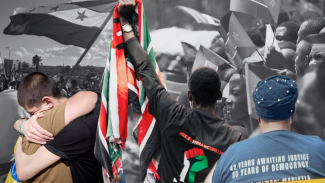
Throughout 2025, ICTJ’s experts offered thoughtful analysis on conflicts and major political developments in more than 10 countries as part of the World Report newsletter. Their insightful commentaries shed light on the obstacles that victims, civil society, and their partners must navigate as they pursue sustainable peace and justice. In this edition, we look back on the past year through the Expert’s Choice column.

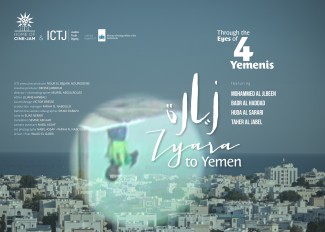
The Arabic word “Zyara” means “visit” in English. The Zyara documentary series takes an innovative, deeply personal approach to storytelling with a view to nurturing collective social and emotional healing. Through candid encounters, it paints poetic portraits of four Yemenis refugees living in Oman, including a human rights lawyer and activist, a restaurant worker, a martial arts champion, and a businessman. By telling their stories and celebrating the resilient spirit of the Yemeni people, the Zyara project seeks to raise awareness and preserve truth and memory.

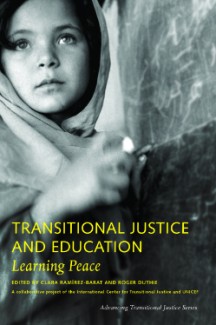
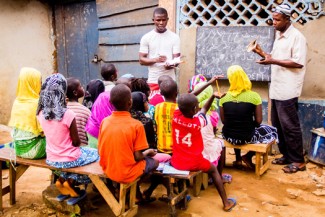
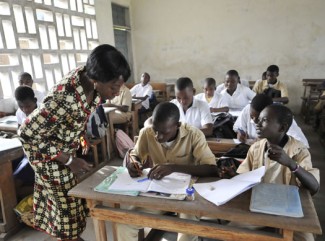
A groundbreaking new book from the International Center for Transitional Justice (ICTJ) and UNICEF examines the complicated relationship between education, justice and peacebuilding in societies grappling with a legacy of violent conflict. It offers lessons on how education can be harnessed in a divided society to overcome the past and create the conditions for peace, often under very difficult circumstances.

Understanding education as a form of both reconstruction and reparations is essential for societies in their efforts to address victims’ rights and help victims and their families overcome the consequences of a painful past.

The first piece in of our "Transitional Justice and Education" series examines the role of school systems in Bosnia and Northern Ireland.

On the Day of the African Child, ICTJ recognizes the power of education to transform society, and acknowledges children and young people as agents of societal change, especially in countries dealing with a legacy of abuse.