

618 results

A new report by the International Center for Transitional Justice analyzes the Congolese judicial authorities’ response to international crimes committed in the territory of the Democratic Republic of the Congo from 2009 to 2014, with a particular focus on the war-torn east (North Kivu, South Kivu, and Ituri). It finds that the number of open investigations into international crimes is very low compared to the large number of atrocities being committed.

This summer, Hissène Habré, the former dictator of Chad, will finally stand trial before the Extraordinary African Chambers in Senegal for crimes against humanity, torture, and war crimes. In a conversation with Reed Brody, counsel and spokesperson of Human Rights Watch, who has worked with Hissène Habré’s victims since 1999, we discussed the potential impact of the trial on Chad and its broader significance for the struggle against impunity in Africa.

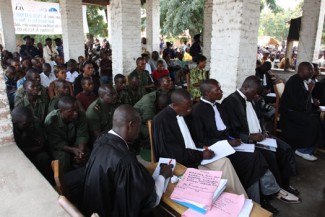
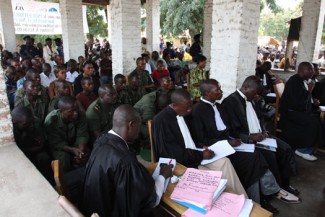
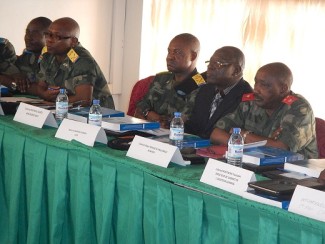
The International Center for Transitional Justice (ICTJ) held a seminar for Congolese military and civilian magistrates on June 24 and 25, 2015, to discuss a national strategy for prosecuting international crimes and prioritizing cases to clear the backlog in national courts. The seminar aimed to examine and propose solutions for why so many well-documented crimes committed by armed groups in the Democratic Republic of the Congo remain unaddressed.

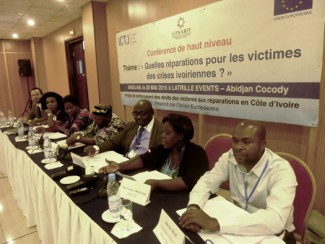
ICTJ recently facilitated consultations on reparations policy between victims of the Ivorian crisis and the National Commission for Reconciliation and Compensation for Victims in Abidjan, Côte d’Ivoire.

ICTJ's Virginie Ladisch explores the consequences of social stigmatization and other problems facing children born of war in Uganda, Nigeria and beyond in this new op-ed.

A new paper by ICTJ identifies several factors impeding Uganda's efforts to acknowledge violations and hold perpetrators accountable.

ICTJ welcomes the agreement reached between the Colombian government and the Revolutionary Armed Forces of Colombia (FARC) guerrilla group to create a truth commission, after a peace agreement is signed.

As Kenya moves closer to a climate where comprehensive reparations for victims of post-election violence are possible, ICTJ is supporting women victims of sexual violence to ensure that their needs are reflected in any program of restitution.

In the wake of the agreement between Colombia and FARC to form a truth commission, ICTJ's Fernando Travesí and Félix Reátegui discuss the role such a body should be expected to fulfill.

In this op-ed, ICTJ Vice President Paul Seils questions the policy objectives of punishing members of FARC accused of the most serious crimes in the ongoing Colombian peace negotiations.