
New Frontiers for Restorative Justice: Colombia’s Special Jurisdiction for Peace

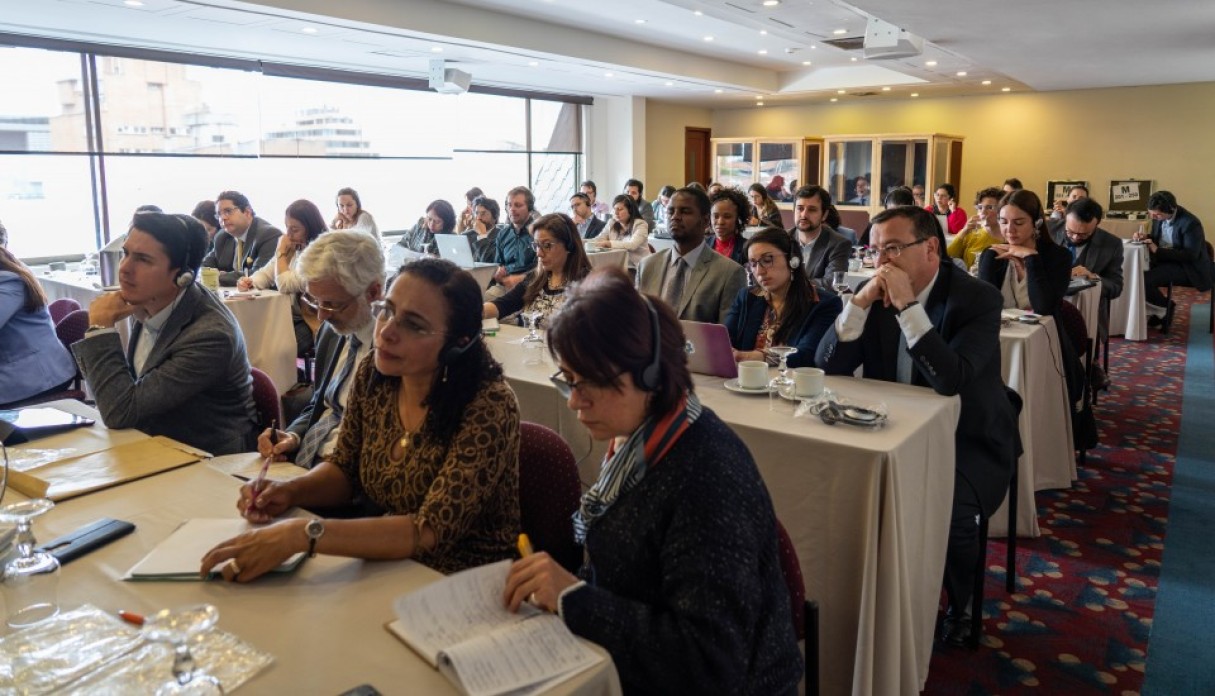
A group of people at a conference.

Members of the Colombia’s Special Jurisdiction for Peace (JEP), including the prosecutor and members of the information analysis unit, attended the conference restorative justice in Bogotá. JEP was established by the 2016 peace agreement between the Colombian government and the guerrilla group the Revolutionary Armed Forces of Colombia (FARC). (Photo credit: María Margarita Rivera/ICTJ)

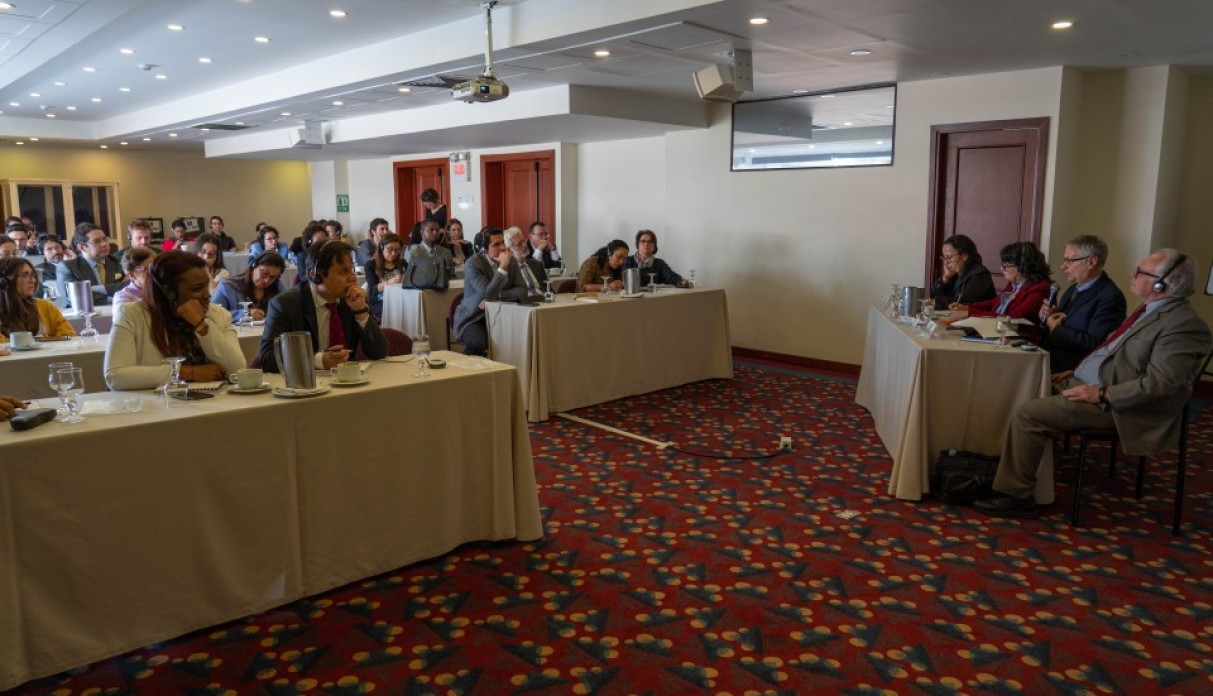
A group of people at a conference.

Experts John Braithwaite, Adolfo Ceretti, and Anna Myriam Roccatello each gave 20-minute presentations on reparative justice and its role in criminal justice. (Photo credit: María Margarita Rivera/ICTJ)

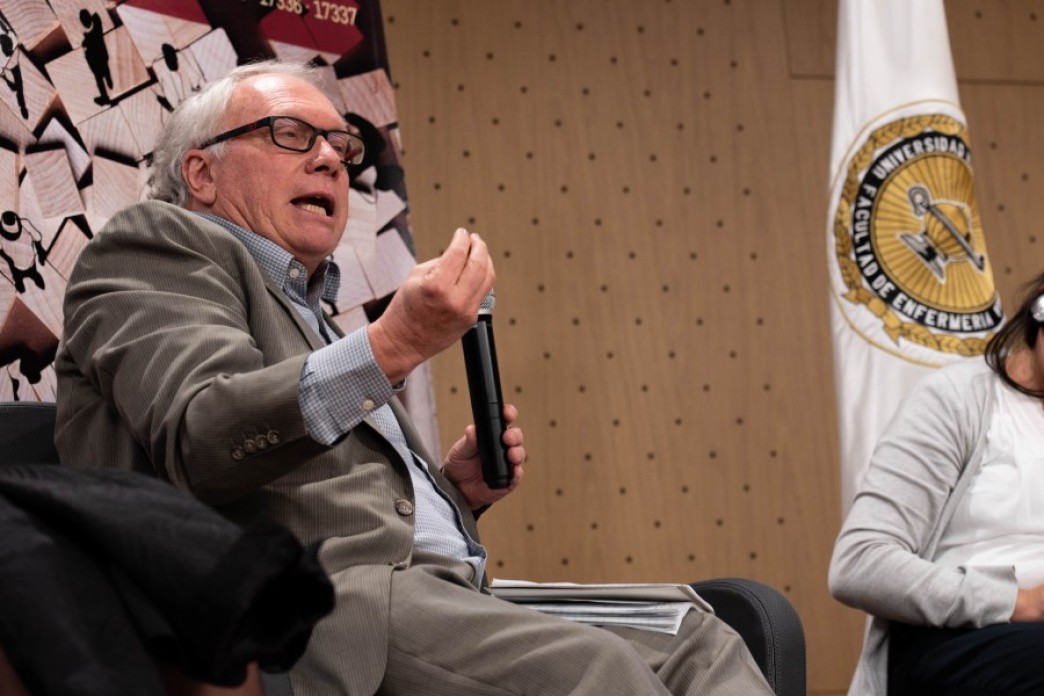
A person presenting.

“Restorative justice is justice thought to finish with violence and hatred. It is superior to the justice of an eye for an eye and a tooth for a tooth. What kind of justice is a broken neck to compensate for the millions of people assassinated in the Holocaust?” — John Braithwaite (Photo credit: María Margarita Rivera/ICTJ)

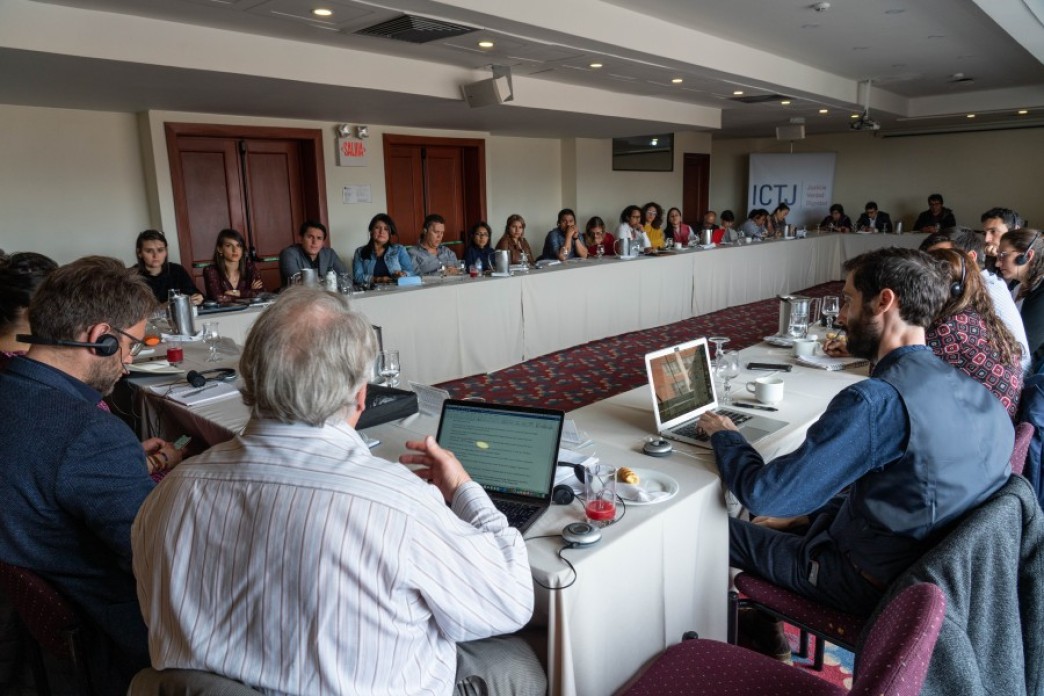
People gathered around a table talking.

The experts participated in a dialogue with victims and civil society organizations. They discussed the role of victims in restorative justice, specifically within the context of the JEP. (Photo credit: María Margarita Rivera/ICTJ)

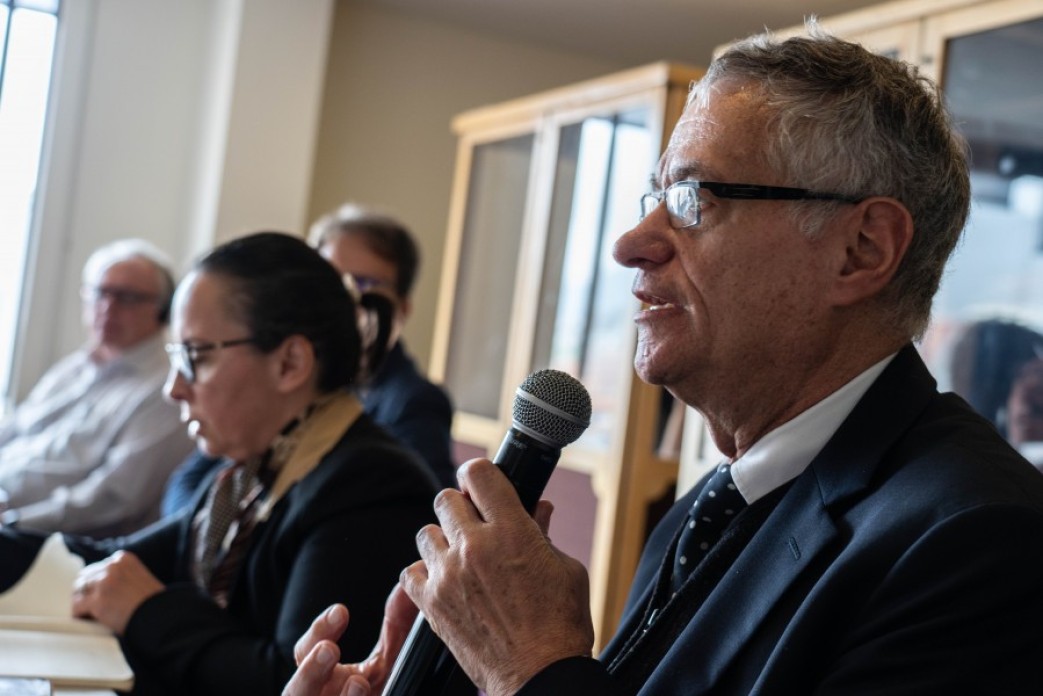
A man at a table presenting.

“This is what restorative justice is about: falling out of the logic of sanction and starting to develop horizontal responsibility. It is possible to make those accountable understand the lack of value of their actions and make society accept restorative sanctions.” — Adolfo Ceretti (Photo credit: María Margarita Rivera/ICTJ)

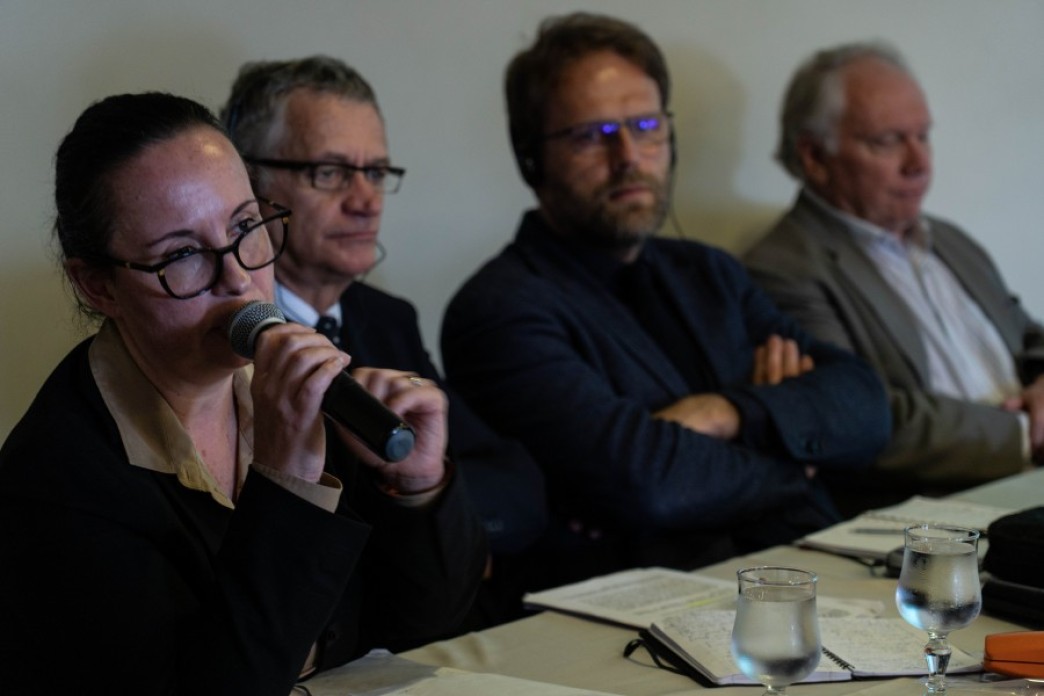
A woman presenting.

“One of the aspects of restorative justice is the democratization of justice, because it is based on a broader participation of the actors involved. This could make it easier to find resolution and spark social transformation.” — Anna Myriam Roccatello (Photo credit: María Margarita Rivera/ICTJ)

A man presenting.

John Braithwaite spoke to military experts about restorative practices. Members of Colombia’s military must come before the JEP as alleged perpetrators and accessories of multiple crimes during the 50-years conflict with FARC. (Photo credit: María Margarita Rivera/ICTJ)

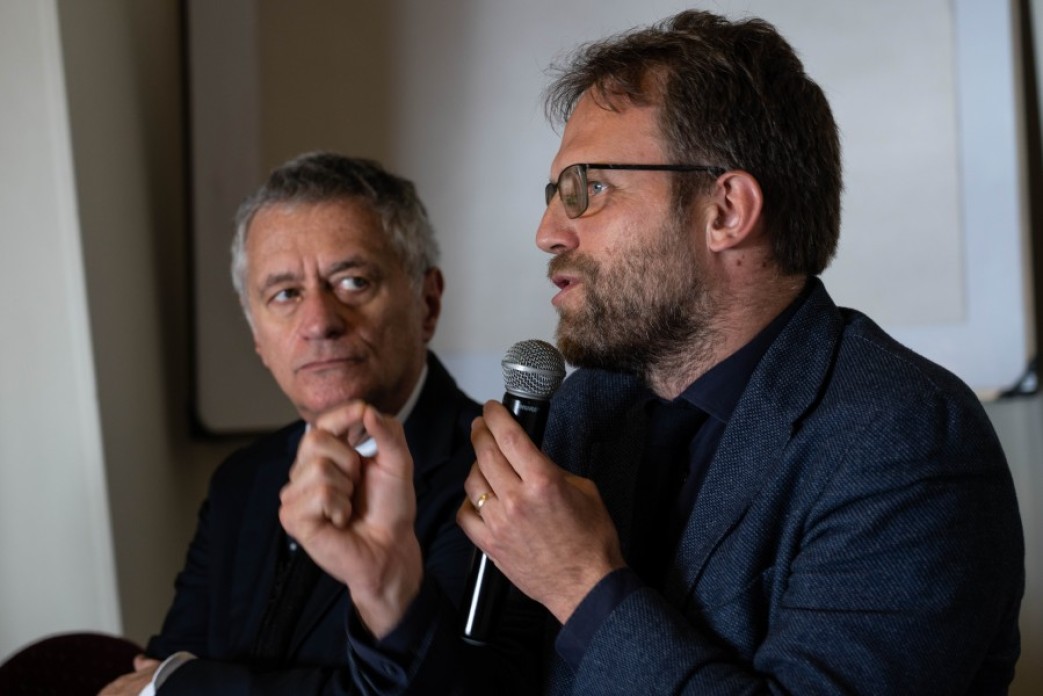
Two men presenting onstage.

“During my research on criminal and transitional justice, I have noticed that the Colombian case could be a turning point to imagine a new way of facing crimes against humanity and atrocities in complex, difficult contexts” — Roberto Cornelli (Photo credit: María Margarita Rivera/ICTJ)

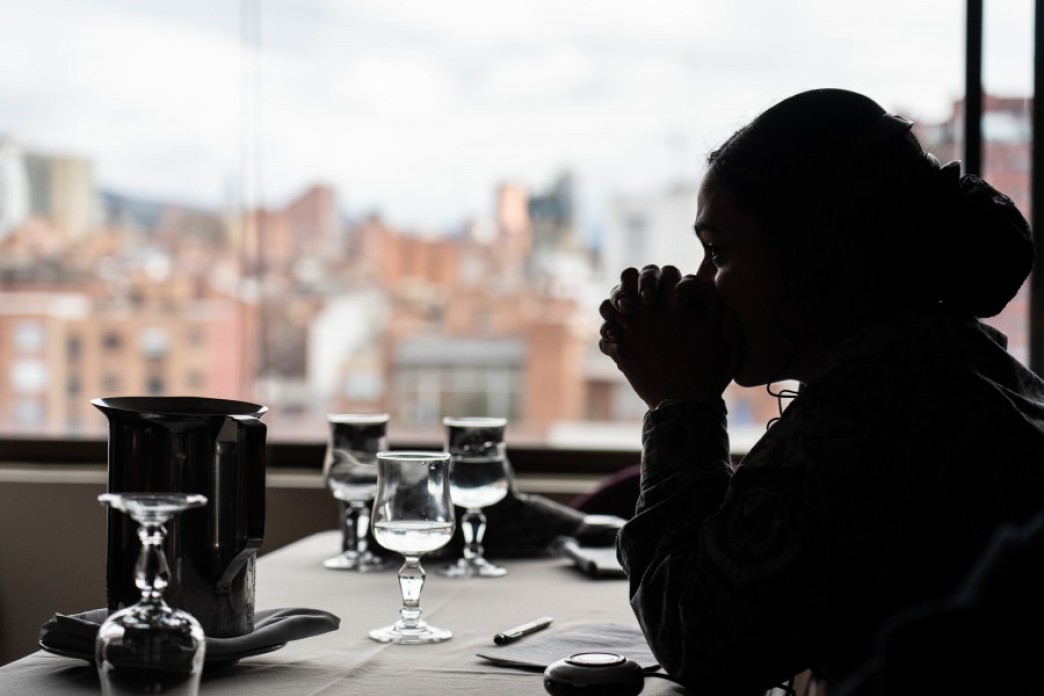
Woman at a table.

A female officer in Colombia’s navy was among the participants at the conference. (Photo credit: María Margarita Rivera/ICTJ)

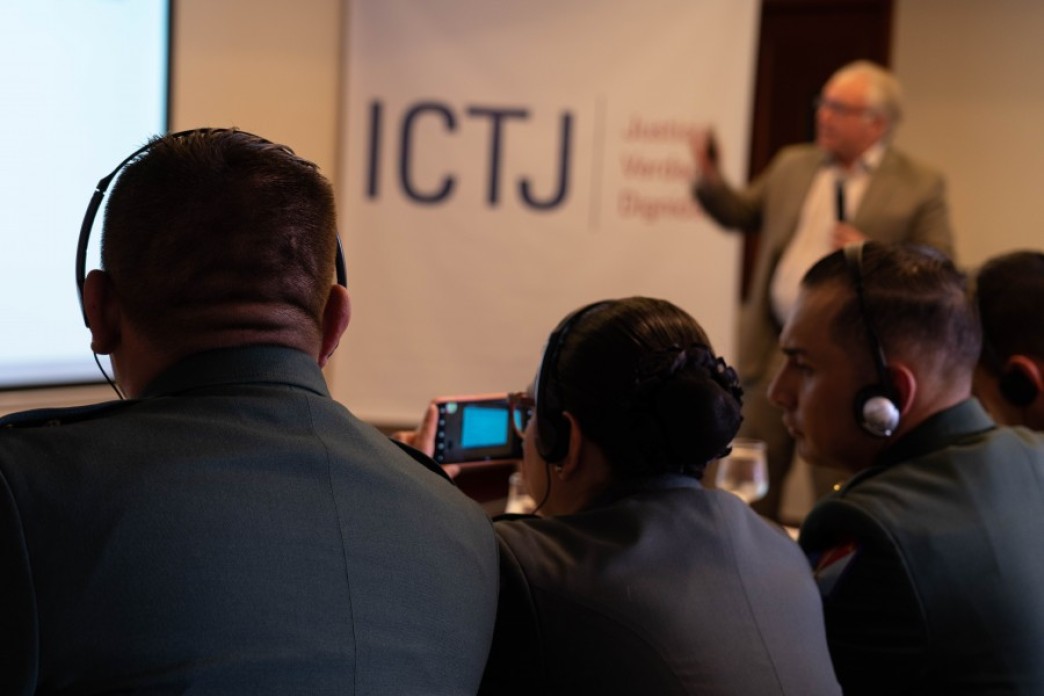
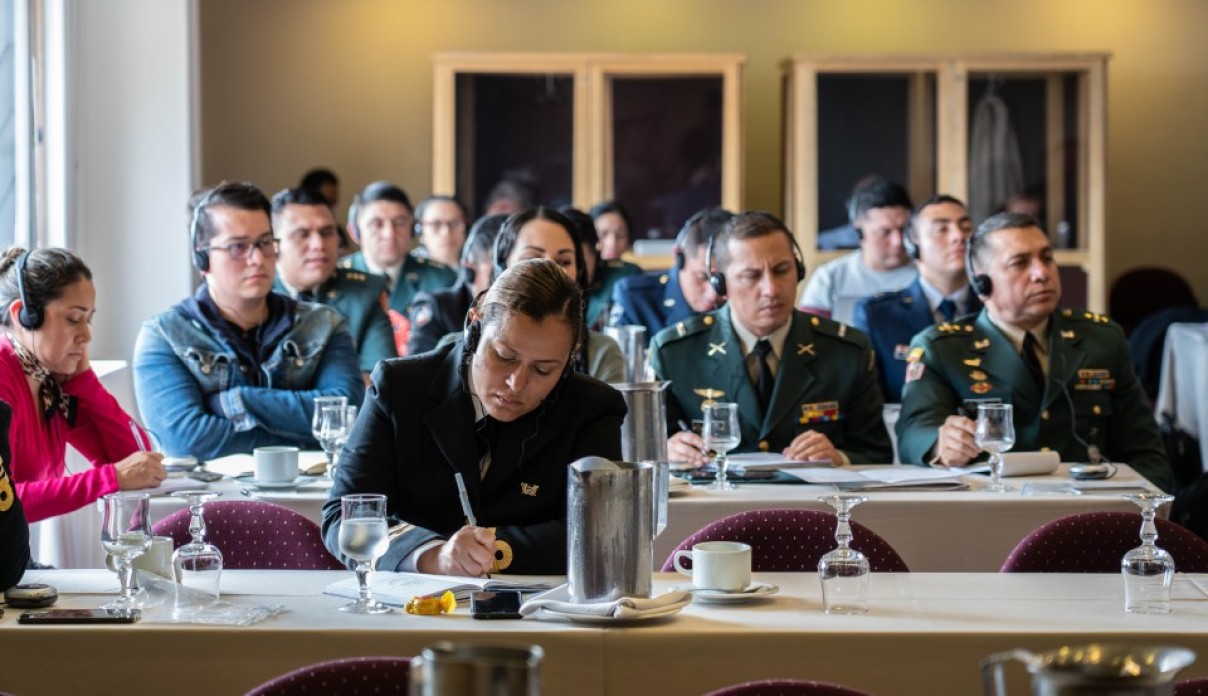
People in uniform watching a presentation.

Several ranking officers from Colombia’s naval forces attended the conference. One of the seven macro-cases that the JEP is currently investigating involves the alleged murder of 2,248 civilians between 1988 and 2014 by members of the military, who then falsely presented the deceased as combat casualties. (Photo credit: María Margarita Rivera/ICTJ)

People on a stage.

John Braithwaite and Anna Myriam Roccatello also participated at a forum at the National University in Bogotá, Colombia’s preeminent public university, where they met with professors Rodrigo Uprimny and Martha Nubia Bello and other experts to discuss Colombia’s ongoing transitional justice process and the role of restorative justice in it. (Photo credit: María Margarita Rivera/ICTJ)

Since time immemorial, justice for a crime has generally meant punishment of the wrongdoer. Even today, some members of society, including victims and lawmakers, still believe that justice is not served unless the guilty party receives a stern and punitive sentence, such a long prison term or even capital punishment for the most serious crimes.

However, the theory of justice has evolved tremendously in the last century, and especially in recent decades. Transitional justice processes, in particular, have helped shift the focus of criminal accountability for gross human violations from punishing the offender to fulfilling the victim’s rights to truth, redress, and guarantees of non-recurrence. In doing so, these processes seek to mend the social fabric in societies emerging from, and often torn apart by, violent conflict or repression and to lay the foundation for lasting peace and reconciliation.

A justice that focuses on repairing the harm rather than punishing the crime is commonly referred to as reparative justice. Restorative justice traces its roots to traditional and indigenous judicial systems, in which the whole community often participates in administering justice for a crime. Colombia’s ongoing Special Jurisdiction for Peace (JEP) represents the most ambitious process to date to incorporate restorative justice practices into its mandate and operations. Established by the 2016 peace agreement to hold to account those responsible for mass human rights abuses committed during Colombia’s 50-yearlong civil war with the guerrilla group the Revolutionary Armed Forces of Colombia (FARC), the JEP takes an unprecedented mixed approach that integrates substantive restorative justice strategies alongside retributive justice sanctions. As part their sentencing before the court, perpetrators who acknowledge their responsibility for crimes actively participate in restorative justice measures that serve to repair the harms inflicted on the victims and their communities. The recent ICTJ report A Mixed Approach to International Crimes: The Retributive and Restorative Justice Procedures of Colombia’s Special Jurisdiction for Peace describes the court’s mixed model, delves into its innerworkings, and critically assesses its restorative justice components and their impact.

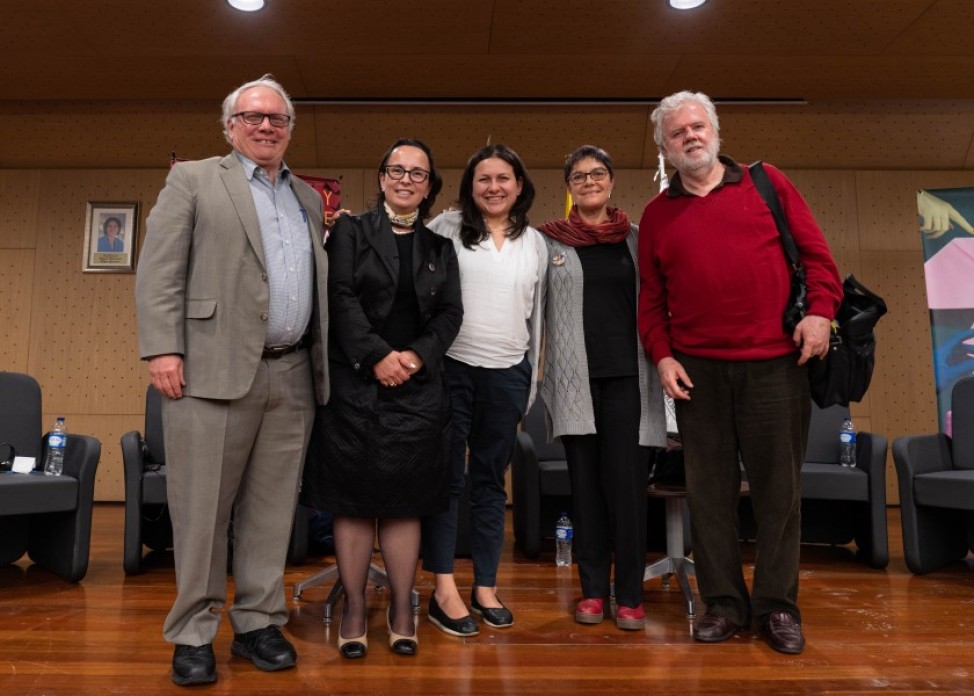
Last year, ICTJ hosted a weeklong conference on restorative justice in Bogotá, Colombia, led by three of the world’s most prominent experts in the field: Roberto Cornelli and Adolfo Ceretti from Italy, John Braithwaite from Australia, and ICTJ’s own Deputy Director and Director of Programs Anna Myriam Roccatello.

Over the course of the week, these experts met both publicly and privately with members of the JEP, victims, ex-combatants, members of the armed forces, and academics to discuss the role of restorative justice in criminal accountability in general and specifically in the implementation of Colombia’s peace agreement. John Braithwaite, Adolfo Ceretti, and Roberto Cornelli, also made some time to sit down with ICTJ to discuss restorative justice and Colombia’s transitional justice process. The video below presents excerpts from these filmed interviews.


إنجليزية