

6 results

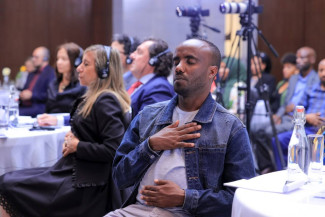
Victims, civil society advocates, policymakers, and development partners recently met for a high-level policy roundtable on integrating mental health and psychosocial support (MHPSS) in Ethiopia’s transitional justice process. Organized by ICTJ and the Advocacy Center for Democracy and Development, the convening offered a space for participants to discuss the need for MHPSS and how to improve access to it across the country.

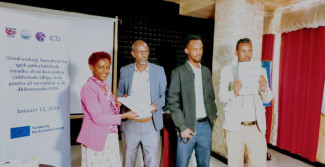
On July 28, 2025, the Somali Regional State Council passed a resolution designating April 6 as Victims’ Memorial Day, formally recognizing those who experienced violence and human rights violations across Ethiopia’s Somali Region. For years, victims and civil society actors, with support from ICTJ and other international partners, have persistently advocated for this acknowledgment, which marks a milestone in Ethiopia’s journey toward accountability and repair.

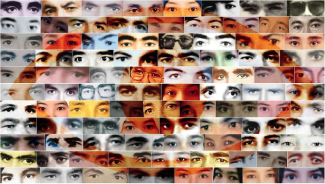
ICTJ’s partner Afghanistan Human Rights and Democracy Organization (AHRDO) recently opened a new virtual museum and database dedicated to Afghan victims of conflict and human rights abuses. “The Afghanistan Memory House” not only preserves the memory of these victims but helps pave the path for truth and justice. To launch the virtual museum, ICTJ and AHRDO cohosted a panel discussion on memorialization, moderated BBC journalist Lyse Doucet, in ICTJ’s office in New York this past December.

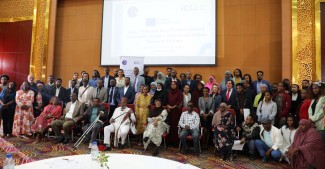
ICTJ and the Consortium of Ethiopian Human Rights Organizations cohosted a national event to increase victims’ and civil society’s meaningful participation in Ethiopia’s transitional justice process. The event brought together Ethiopian government officials and policymakers, civil society representatives, members of the media, and international stakeholders to discuss strategies to ensure victims and gender-related concerns remain at the center of the efforts underway in the country to deal with recent and past violence and its consequences.

Afghanistan is a tragic example of how a country in transition can dramatically reverse course on the arduous path toward peace and democracy and return to an abyss of violence and repression at breakneck speed. In the span of a few short weeks, the Taliban regained control over the country. When they finally entered Kabul, the internationally backed Afghan government collapsed. Now in charge, the Taliban has lost no time in demonstrating their goal to re-impose the same extremist and oppressive rule, despite initial declarations affirming a commitment to peace and human rights.

It only takes a quick skim of the daily news to see how the world has yet again failed Afghan civilians. Afghanistan has not had many good years in the past four decades of war, but the past 15 months have been decidedly fraught. The current chaos and spiking violence are proof that, despite what the US government has proclaimed, the “forever war” rages on. Peace and meaningful, victim-centered justice remain elusive.