191 results

In an article first published in El Periodico, journalist Andrea López-Tomas paints an intimate portrait of the Lebanese women who against the odds continue to search for their missing loved ones half a century after the civil war began.

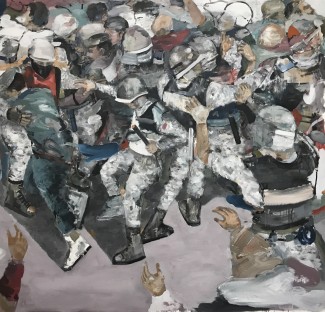
The police response to the peaceful anti-government protests in Kenya over the past year has been deadly and brutal. Their actions have rocked the country and reaffirmed the 2013 findings of the Kenyan Truth, Justice and Reconciliation Commission (KTJRC) that state security agencies, particularly the police, have historically used excessive and disproportionate force and “been the main perpetrators of bodily integrity violations of human rights in Kenya including massacres, enforced disappearances, torture and ill-treatment, and sexual violence.”

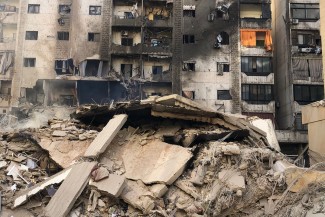
The ongoing war in the Middle East is not an isolated event; it represents a 75-year cycle of violence marked by historical grievances, geopolitical struggles, and humanitarian crises. In the latest episode of this tragic story, Lebanon has become the newest battlefield. So far, the conflict has caused widespread destruction, killed or injured thousands, and displaced over a million in Lebanon. The country now faces many daunting questions about reconstruction, reparations for victims, and the type of society that will emerge in the war’s aftermath.

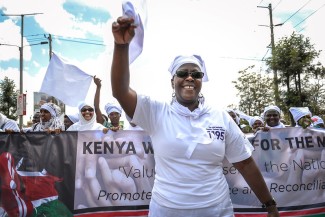
Thousands took to the streets across Kenya on January 27 following the gruesome slaying of more than a dozen women to denounce violence against women and demand action to end it. Protesters later gathered in Nairobi on February 14 for a Valentine’s Day vigil for the more than 30 women murdered in the country so far this year and to pressure the government to declare femicide and violence against women a national emergency and to establish a commission to address these crimes and thereby break the cycle of impunity. These efforts are laudable, if not inspiring. However, physical and sexual violence against women and femicide—at times perpetrated by law enforcement officers who are meant to protect them, as enshrined in Kenya’s 2010 Constitution—has persisted in Kenya for decades.

ICTJ is pleased to announce the winners of its “Overseas” writing contest. In it, young people originally from or currently residing in Lebanon, Libya, or Tunisia who have left their home countries for political or socioeconomic reasons were asked to share their personal experiences of migration in the form of a short, written testimony.

ICTJ is pleased to announce the “Overseas: Writing Contest,” an open call for young migrants originally from or currently residing in Lebanon, Libya, or Tunisia to share their personal experiences of migration in the form of a short, written testimony.

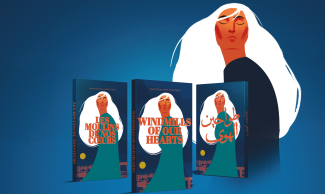
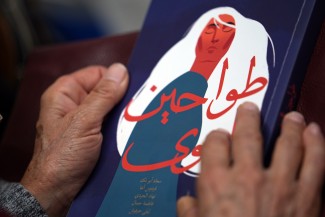
The International Center for Transitional Justice (ICTJ) and the Committee of the Families of the Kidnapped and Disappeared in Lebanon (CFKDL) will release Windmills of Our Hearts, a new book of short stories by 15 women relatives of missing and forcibly disappeared persons in Lebanon. On June 1, ICTJ and CFKDL will host a public launch and book signing event at Dar el Wardieh in Hamra, Beirut.

In Lebanon, in the absence of an overarching curriculum, young people are growing up with scant knowledge of the country’s history. Young people want to understand the war so that they can address its legacy of violence and divisions and face the continuing violence and ever-present danger of...

In Lebanon, in the absence of an overarching curriculum, young people are growing up with scant knowledge of the country’s civil war. Over the past year, ICTJ has sought to fill this knowledge gap by holding oral history workshops with university students and connecting them with the Co...

For many years now, the International Center for Transitional Justice and other organizations have supported young activists and artists as they harness the power of art, culture, and new media to advance truth, justice, reform, and redress, not only where they live, but across borders and in collaboration with others. This innovative and inspiring work offers lessons about how to increase civic engagement and help societies know the truth about their country’s past and actively shape the national narrative.