Don’t miss out on ICTJ's latest news. Subscribe to our newsletter.
من القتال إلى السيطرة الإقليمية: تكييف السياسة الأمنية مع العنف المعاصر في كولومبيا
تواجه كولومبيا حاليًا شكلًا متحولًا ومجزأً من العنف يتمحور حول السيطرة على الأراضي والمجتمع بدلًا من التمرد التقليدي. ويشير هذا التقرير إلى أن استراتيجيات أمن الدولة لا تزال غير متوافقة، إذ تعتمد على مناهج ومعايير عسكرية عفا عليها الزمن. ولتجنب عدم الاستقرار الديمقراطي على المدى الطويل، يوصي التقرير بالتحول نحو الأمن القائم على الحوكمة، والرقابة المدنية الفعالة، والقدرات القضائية القوية، والفهم الشامل للسيطرة على الأراضي.
الصورة
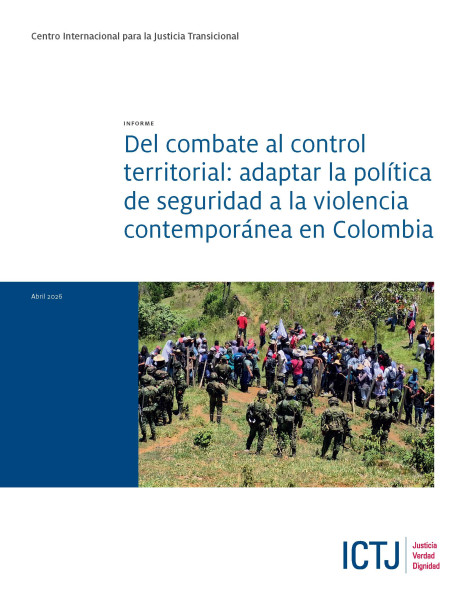
بعد مرور عقد على توقيع اتفاق السلام مع القوات المسلحة الثورية الكولومبية – الجيش الشعبي (FARC-EP)، تواجه كولومبيا اليوم دورة جديدة من العنف لا يمكن، بالنظر إلى خصائصها، فهمها باعتبارها مجرد امتداد للصراع المسلح الذي شهدته البلاد في الماضي. وتتمثل أبرز التحولات في طبيعة الجهات الفاعلة وقدراتها وأهدافها وأنماط عملها، فضلًا عن دور الدولة في هذه النزاعات. غير أن تطور العنف هذا كشف في الوقت نفسه عن أوجه قصور في الاستجابة المؤسسية. فقد تعهدت ثلاث حكومات متعاقبة، ذات توجهات أيديولوجية مختلفة، بمعالجة المشكلة من خلال مقاربات متباينة، إلا أن أيًا منها لم ينجح في ذلك.
ويفسر تحول طبيعة العنف تراجع فعالية الأطر الاستراتيجية والعملياتية التي تحكم إدارة الأمن، لكنه لا يفسر عجز الدولة عن التكيف. ومن ثم، فإن السؤال المحوري لا يتعلق فقط بما الذي تغير، وإنما أيضًا بسبب عدم قدرة المؤسسات، أو عدم رغبتها، في التكيف مع الواقع الجديد. ويهدف هذا التقرير إلى تقديم إجابات عن هذا السؤال من منظور الإدارة العامة. ويجادل بأن المشكلة الأساسية للأمن في كولومبيا لا تكمن فقط في التحولات التي طرأت على السياق أو في القدرات العسكرية أو الشرطية، وإنما أيضًا في الحوكمة الاستراتيجية لقطاع الأمن. ويشير إلى وجود فجوة بين الرؤية الاستراتيجية وبين الطريقة التي يتنظم بها العنف ويُمارس في المناطق، ما أدى إلى أن يصبح التخطيط والانتشار ضمن قطاعي الأمن والدفاع غير فعالين، بل وأن يساهما، في بعض الحالات، في إعادة تشكيل العنف وتفتيته.
ويمثل هذا التحليل مساهمة أولية من المركز الدولي للعدالة الانتقالية (ICTJ) في فهم أوجه القصور هذه، ويسلط الضوء على الحاجة إلى تعميق النقاش حول حوكمة قطاع الأمن، بهدف تهيئة بيئة سياسية تأخذ في الاعتبار التعديلات المؤسسية اللازمة للاستجابة بفعالية وبصورة مشروعة للمرحلة الجديدة من العنف المستمر في البلاد وتعزيز الشفافية والمساءلة.