Don’t miss out on ICTJ's latest news. Subscribe to our newsletter.
"قصص نُحييها": كيف يستخدم المجتمع المدني السرد في سياقات العدالة الانتقالية
يتناول هذا التقرير البحثي كيفية قيام الجهات الفاعلة في المجتمع المدني المشاركة في عمليات العدالة الانتقالية بسرد دورها وتأثيرها وقيمتها والتواصل بشأنه. وتركز الدراسة على الجهات الفاعلة في كولومبيا وغامبيا وكينيا، واصفةً محتوى أعمالها التواصلية وشكلها والجمهور المستهدف لها. وتؤكد الدراسة أن العمل التواصلي السردي لأصحاب المصلحة في العدالة الانتقالية يمكن أن يدعم نتائج أفضل في مجالات العدالة والسلام والتنمية إذا ما أُخذ على محمل الجد ووُفرت له الموارد الكافية.
الصورة
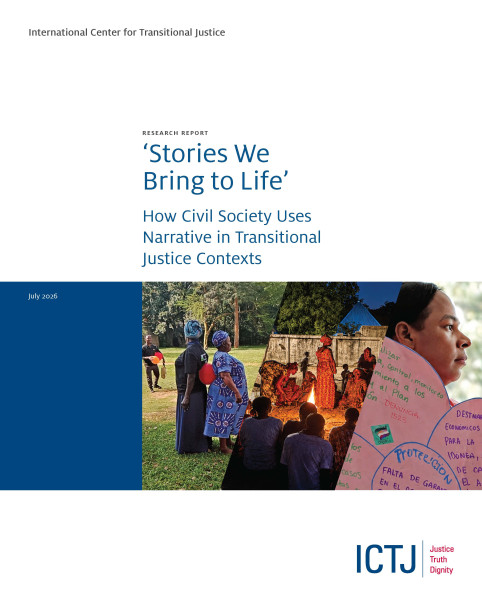
يستعرض هذا التقرير البحثي كيفية قيام الجهات الفاعلة في المجتمع المدني المنخرطة في عمليات العدالة الانتقالية بسرد دورها وأثرها وقيمتها والتواصل بشأنها. ويركّز التقرير على الجهات الفاعلة في كولومبيا وغامبيا وكينيا، مستعرضًا مضمون أعمالها في مجال التواصل وأشكالها والجمهور الذي تستهدفه.
وقد اختيرت البلدان الثلاثة محلّ الدراسة لأنها شهدت أشكالًا مختلفة من العنف والانتهاكات الجسيمة لحقوق الإنسان، كما أنها تمرّ بمراحل مختلفة من جهود معالجة إرث الماضي. ولكل منها سياق سردي مميّز، وإن كانت هذه السياقات تتضمن خطابات تتقاطع وتترابط بطرق متعددة مع قضايا السلام والتنمية على المدى الطويل.
ويبيّن التقرير أن الجهات الفاعلة تتمتع بقدر كبير من المرونة في تحديد الخطابات والقصص التي من شأنها أن تساعدها على تحقيق أهدافها، والتواصل مع جماهير مختلفة، والترويج لعملها، سواء تعلّق ذلك بالعدالة أو حقوق الإنسان أو السلام المستدام أو سبل العيش. وتجري هذه الخيارات المتعلقة بتأطير السرديات واستراتيجيات التواصل في سياق عملية عدالة انتقالية متطورة، كما تتأثر بالموارد المتاحة، ومستوى التدريب، والمعرفة بالثقافات المحلية.
كما تُظهر الدراسة أن الجهات الفاعلة المختلفة تبني سردياتها في إطار مشهد سردي أوسع، تتداخل فيه أجندات ورسائل منظمات المجتمع المدني الأخرى، ومؤسسات الدولة، والمجتمعات المحلية، والضحايا. وبينما تتعاون المنظمات في كثير من الأحيان مع جهات أخرى لتعزيز صوتها من خلال سردية مشتركة بوصف ذلك إحدى استراتيجيات إحداث الأثر، تشهد كل حالة قطرية أيضًا عملية مستمرة للتفاوض حول ملكية السرديات.
وتكتسب أعمال التواصل السردي التي يسلّط هذا التقرير الضوء عليها أهمية بالغة، إلا أنها غالبًا ما تعاني من نقص التمويل، وتحظى باهتمام محدود، ولم تخضع بما يكفي للبحث والدراسة. وقد يعود ذلك جزئيًا إلى محدودية الموارد والمهارات، لكنه يعكس أيضًا فجوة أوسع في ممارسات العدالة الانتقالية وفي التفكير بشأنها. وإذا أُخذ عمل أصحاب المصلحة في مجال العدالة الانتقالية على مستوى السرد والتواصل على محمل الجد، وحظي بالموارد الكافية، فإنه يمتلك القدرة على الإسهام في تحقيق نتائج أفضل في مجالات العدالة والسلام والتنمية.