22 results

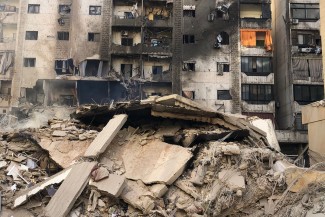
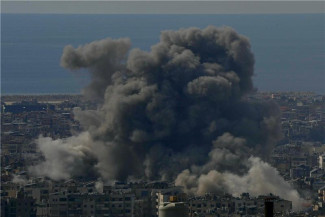
Recent Israeli strikes in Beirut and other populated areas in Lebanon, among the conflict's most intense so far, have destroyed critical infrastructure and devastated civilian communities. ICTJ stands unequivocally with the Lebanese people and all victims across the region and calls for an immediate end to all attacks on and threats to civilian communities and infrastructure.

Throughout 2025, ICTJ’s experts offered thoughtful analysis on conflicts and major political developments in more than 10 countries as part of the World Report newsletter. Their insightful commentaries shed light on the obstacles that victims, civil society, and their partners must navigate as they pursue sustainable peace and justice. In this edition, we look back on the past year through the Expert’s Choice column.

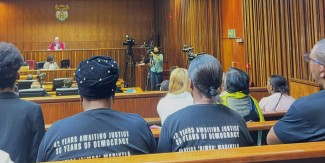
On April 14, 2025, the Johannesburg High Court handed down a landmark judgment. From his bench in courtroom 4D, Judge Dario Dosio dismissed the defense team’s objections to the inclusion of murder and apartheid as crimes against humanity charges in the indictment against two individuals accused of a deadly 1982 attack on anti-apartheid student activists. In so doing, the court cleared the way for crimes against humanity charges to be pursued in a South African domestic court for the first time. It also opened the door to the first ever prosecution of apartheid as a crime against humanity anywhere in the world.

The ongoing war in the Middle East is not an isolated event; it represents a 75-year cycle of violence marked by historical grievances, geopolitical struggles, and humanitarian crises. In the latest episode of this tragic story, Lebanon has become the newest battlefield. So far, the conflict has caused widespread destruction, killed or injured thousands, and displaced over a million in Lebanon. The country now faces many daunting questions about reconstruction, reparations for victims, and the type of society that will emerge in the war’s aftermath.

Throughout 2023, ICTJ’s experts have offered their unique perspective on breaking news around the globe as part of the World Report. Their insightful commentaries have brought into focus the impact these events have on victims of human right violations as well as larger struggles for peace and justice. In this edition, we look back on the past year through the Expert’s Choice column.

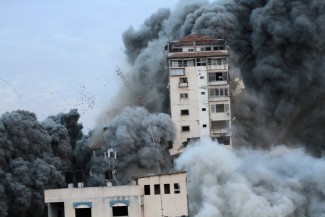
On October 7, the world watched in horror as members of the militant group Hamas slaughtered over 1,400 Israelis, most of whom were civilians including children and the elderly, in a premeditated and sophisticated attack. Israel’s response has so far been no less horrific. Incessant waves of indiscriminate airstrikes on Gaza have hit residential buildings, medical facilities, and other critical civilian infrastructure, besieging the entire enclave and leaving more than 5,000 people dead including 2,000 children. Unfortunately, these unspeakable atrocities—the condemnation and rejection for which we have run out of words—are not isolated events happening in a vacuum. They are, in fact, just the latest episodes in a 75-yearlong cycle of violence.

Regardless of how the world remembers Alex Boraine's legacy—or the success and shortcomings of the truth and reconciliation process in South Africa—history will recall that Boraine withstood his own, and his nation’s, transitions to cement his legacy as an architect for truth and reconciliation and a champion for justice for victims.

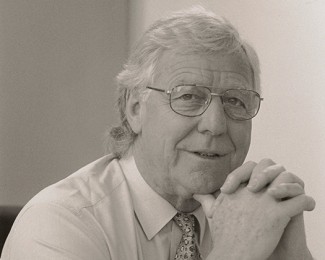
In December 2018, we mourned the loss of ICTJ's founder, Alex Boraine. On December 12, Fernando Travesí sat down for an intimate conversation with Vincent Mai—ICTJ’s first chairman—to learn more about a life that we will continue to commemorate in the months and years to come.

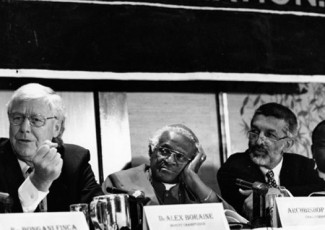
Alex Boraine, founder of the ICTJ and soldier in the struggle for human rights around the world, will be laid to rest in Cape Town today. He has been called the “Prince of Peace” for his lifelong commitment to transforming South Africa’s society through truth, reconciliation, justice, following the horrors of apartheid.

Dr. Alex Boraine, founder of the ICTJ, was larger than life. In his long career, he touched the lives of thousands in his beloved South Africa and around the world.