13 results

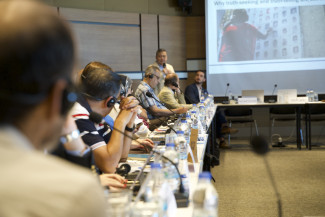
At an ICTJ-organized symposium in Istanbul, artists, civil society leaders, journalists, academics, and transitional justice practitioners from around the world discussed the ways art can serve as a catalyst for change in societies emerging from conflict or repression as well as explored local non-state-led approaches to truth seeking and truth telling.

Throughout 2025, ICTJ’s experts offered thoughtful analysis on conflicts and major political developments in more than 10 countries as part of the World Report newsletter. Their insightful commentaries shed light on the obstacles that victims, civil society, and their partners must navigate as they pursue sustainable peace and justice. In this edition, we look back on the past year through the Expert’s Choice column.

The field of transitional justice is increasingly recognizing the relevance of mental health and psychosocial support (MHPSS) in contexts of massive human rights violations. Despite growing advocacy and awareness at the global policy level, however, the field lacks a systematic approa...

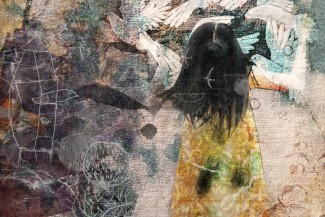
an image of colorful painting featuring a young girl

In what UN Women describes as the “shadow pandemic,” rates of violence against women have soared since the public health and economic crises brought about by COVID-19. With stay-at-home orders in place in countries around the world, women are more susceptible than ever to domestic violence. In countries affected by conflict or repressive rule, all forms of sexual and gender-based violence are on the rise. The ICTJ Gender Modules offer a timely tool to raise awareness about these issues and help develop gender-sensitive responses to them.

Victims in Nepal have been calling on the government for public consultation to ensure wider discussion, a process that would allow them to share their expectations, help them to comprehend the dense language of the proposed amendments and its many gaps. They needed to understand the dubious phrasing especially on issues of criminal accountability that created suspicion, instead of trust and legitimacy in the process.

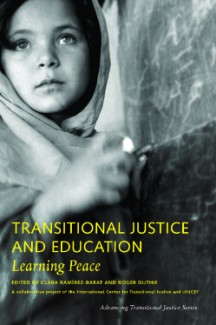
A groundbreaking new book from the International Center for Transitional Justice (ICTJ) and UNICEF examines the complicated relationship between education, justice and peacebuilding in societies grappling with a legacy of violent conflict. It offers lessons on how education can be harnessed in a divided society to overcome the past and create the conditions for peace, often under very difficult circumstances.

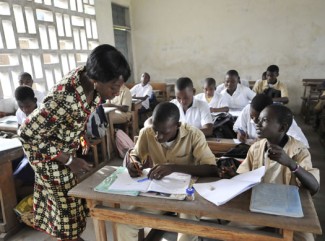
Understanding education as a form of both reconstruction and reparations is essential for societies in their efforts to address victims’ rights and help victims and their families overcome the consequences of a painful past.

The first piece in of our "Transitional Justice and Education" series examines the role of school systems in Bosnia and Northern Ireland.

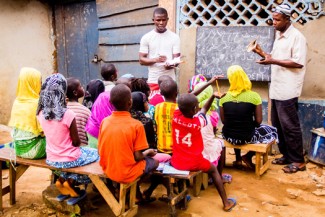
On the Day of the African Child, ICTJ recognizes the power of education to transform society, and acknowledges children and young people as agents of societal change, especially in countries dealing with a legacy of abuse.

In this op-ed marking Universal Children’s Day, ICTJ's Virginie Ladisch explains why within transitional justice, the capacity to make positive choices and demonstrate moral agency are attributes that need to be encouraged and fostered in children, especially former child soldiers.